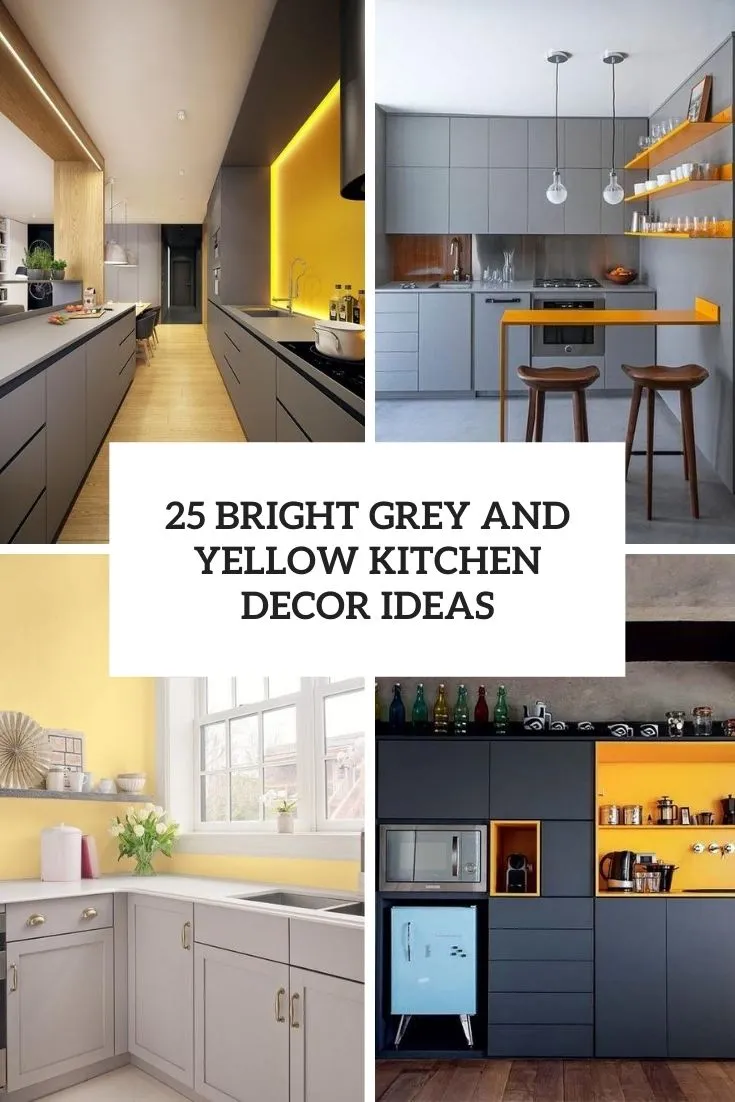
Choosing the Right Yellow and Gray Kitchen Decor
Creating a stunning yellow and gray kitchen decor involves more than just picking paint colors. It’s about understanding the interplay of these two versatile hues and how they can transform your cooking space. This guide will help you navigate the design process, from selecting the perfect color palette to choosing furniture, appliances, and accessories that harmoniously blend yellow and gray. The goal is to create a kitchen that’s not only visually appealing but also functional, comfortable, and reflects your personal style. Remember, the right combination of yellow and gray can create a space that is both inviting and sophisticated.
Selecting Your Color Palette
The foundation of your yellow and gray kitchen decor begins with selecting the right color palette. Consider the mood you want to create. Do you prefer a bright, energetic space or a calm, serene atmosphere? For a lively kitchen, opt for brighter yellows like lemon or daffodil, paired with lighter grays like dove or silver. If you lean towards a more relaxed ambiance, choose softer yellows such as butter or cream, combined with deeper grays like charcoal or slate. Experiment with accent colors to add depth and interest. White or off-white can serve as a neutral base, allowing the yellow and gray to shine. Black accents can introduce a touch of sophistication, while pops of other colors like blue or green can inject personality.
Understanding Yellow Shades

Yellow comes in a vast spectrum of shades, each with its unique character. Sunny yellow evokes feelings of joy and optimism, perfect for creating a cheerful kitchen. Muted yellows, like mustard or ochre, offer a more grounded, sophisticated feel. Consider the undertones of the yellow you choose. Does it lean warm or cool? Warm yellows have a hint of orange and pair well with warmer grays, creating a cohesive and inviting atmosphere. Cool yellows have a touch of green and work beautifully with cooler grays, offering a crisp, modern aesthetic. The lighting in your kitchen will also influence how the yellow appears, so test paint samples in different lighting conditions before making a final decision.
Considering Gray Tones
Gray provides a versatile backdrop, offering a range of possibilities for your kitchen decor. Light grays, such as those found in the silver or dove family, create a sense of spaciousness and brightness, perfect for smaller kitchens. Medium grays, like pewter or concrete, provide a balanced contrast to yellow, adding a touch of sophistication. Darker grays, such as charcoal or slate, offer a dramatic and luxurious feel, ideal for larger kitchens. Pay attention to the undertones in your gray paint. Warm grays have hints of brown or beige and complement warm yellows, while cool grays have hints of blue or green and pair well with cool yellows. Testing paint samples in your kitchen is crucial to ensuring the gray works harmoniously with the natural and artificial light.
Incorporating the Colors
Once you’ve selected your color palette, it’s time to integrate it into your kitchen design. There are several ways to achieve this. You can paint the walls yellow and use gray for cabinets or vice versa. Alternatively, consider using gray for the walls and incorporating yellow through accessories, such as dish towels, curtains, and small appliances. A gray kitchen island with a yellow countertop or vice versa can create a striking focal point. The key is to balance the colors thoughtfully, ensuring one doesn’t overpower the other. Experiment with different ratios, such as a 60-30-10 rule, where 60% of the space is one color (e.g., gray walls), 30% is another (e.g., yellow cabinets), and 10% is an accent color (e.g., black hardware).
Planning Your Kitchen Layout

The layout of your kitchen significantly impacts the overall design and functionality. Consider the work triangle, the three key areas: the sink, the stove, and the refrigerator. Ensure these areas are easily accessible and create a logical flow. If you’re undertaking a full renovation, think about the placement of cabinets, countertops, and appliances to maximize space and efficiency. For smaller kitchens, open layouts can make the space feel larger and more inviting. In larger kitchens, a kitchen island can provide additional workspace and storage, creating a central hub for cooking and socializing. No matter the size of your kitchen, careful planning will optimize both its aesthetic appeal and its practicality.
Designating Zones
Divide your kitchen into distinct zones to enhance functionality. The cooking zone should include the stove and oven, along with essential cookware and utensils. The cleaning zone should house the sink, dishwasher, and cleaning supplies. The preparation zone should offer ample countertop space for food prep. The storage zone should accommodate the refrigerator, pantry, and cabinets for food and dishes. Each zone should be designed with specific tasks in mind, improving efficiency and making your kitchen more user-friendly. The placement of yellow and gray elements can also be considered within these zones. For example, you might use yellow dish towels in the cleaning zone to add a pop of color.
Choosing Furniture and Appliances
The furniture and appliances you select play a crucial role in tying together your yellow and gray kitchen decor. Consider stainless steel appliances, which complement both yellow and gray seamlessly, adding a modern touch. If you want a bolder statement, consider colored appliances; a yellow refrigerator can be a striking focal point. For furniture, choose pieces that reflect your personal style. A gray kitchen table with yellow chairs can create a cohesive dining area. Bar stools in gray or yellow can complement a kitchen island. When selecting furniture, consider the materials. Wood, metal, and glass can all work well in a yellow and gray kitchen, adding texture and visual interest.
Selecting the Right Materials

Material selection contributes significantly to both the look and feel of your kitchen. When choosing countertops, consider granite, quartz, or marble. Granite comes in a wide range of gray and yellow tones, offering durability and natural beauty. Quartz provides a consistent color palette and is easy to maintain. Marble offers elegance but requires more care. For backsplashes, consider subway tiles in gray or yellow, glass tiles for a modern touch, or mosaic tiles for added detail. The flooring should complement the overall design; wood flooring or gray tiles are excellent options. The choice of materials significantly impacts the visual appeal and the practicality of your kitchen.
Choosing Countertops and Backsplashes
Countertops and backsplashes are key design elements. A gray countertop with yellow cabinets provides a striking contrast, or vice versa. Consider quartz for a consistent look, or granite or marble for unique patterns. Backsplashes can add personality; a gray subway tile is classic, while a yellow backsplash adds brightness. Consider how your backsplash interacts with the countertops and cabinets. The materials should enhance the overall aesthetic. Ensure the materials are durable and easy to clean, especially in a kitchen where spills and splatters are common. Coordinating these elements creates a cohesive design.
Choosing Cabinets and Flooring
Cabinets and flooring form the foundation of the kitchen’s color scheme. Gray cabinets paired with a yellow accent wall can create a modern look. Alternatively, choose yellow cabinets for a bolder statement, balancing them with a neutral flooring like gray or light wood. Flooring options include wood, tile, or luxury vinyl. Wood flooring offers warmth, while tile provides durability and a variety of design options. Choose materials that withstand heavy use. Consider the size of the kitchen. Lighter colored flooring can make a small kitchen seem more spacious. The right cabinet and flooring choices are essential for setting the kitchen’s overall tone.
Adding Accessories and Decor

Accessories and decor are the finishing touches that personalize your yellow and gray kitchen. Choose items that reflect your style, such as artwork, decorative bowls, and kitchen utensils. Yellow accents can be incorporated through dish towels, oven mitts, and small appliances. Gray accents can include picture frames, vases, and serving dishes. Consider incorporating textures to add depth and interest. A textured backsplash, woven baskets, or a cozy rug can create a warm and inviting atmosphere. By carefully selecting accessories, you can tie the whole design together, adding personality and charm.
Adding Yellow Accents
Yellow accents can brighten the kitchen. Use yellow dish towels, curtains, or small appliances. Consider a yellow backsplash, or incorporate yellow artwork. Add a pop of color with a vase filled with yellow flowers. These smaller elements introduce a cheerful vibe. Avoid overwhelming the space. A few well-placed yellow accents are enough. The key is balance, ensuring the yellow enhances the design without being overbearing. Experiment with different shades of yellow to find the perfect balance. Consider lighting as well. Soft yellow lighting can create a cozy ambiance.
Adding Gray Accents
Gray accents provide a neutral counterpoint to yellow. Gray picture frames, serving dishes, or a gray rug can add sophistication. Use gray for hardware, such as cabinet pulls and drawer knobs. Consider a gray island or a gray dining set. Gray can ground the yellow, preventing it from becoming overwhelming. A gray backsplash or gray walls can also provide balance. Vary the shades of gray, using lighter tones for contrast and darker tones for definition. The key is to create harmony between the yellow and gray, ensuring a well-balanced and visually appealing space.
Lighting and Its Impact

Lighting significantly impacts the overall atmosphere. Natural light is crucial; ensure your kitchen has ample windows to let the sunshine in. For artificial lighting, consider a layered approach, combining ambient, task, and accent lighting. Ambient lighting provides general illumination, while task lighting illuminates specific work areas, like the countertops. Accent lighting highlights design features, such as artwork or architectural details. The type of light bulbs you choose matters. Warm white light creates a cozy atmosphere, while cool white light provides a more modern look. Experiment with different lighting options to find the perfect balance.
Implementing Natural Light
Maximize natural light. Large windows, skylights, and glass doors can brighten the space. Position the kitchen near windows. Use light-colored window treatments to reflect natural light. Keep the area around windows clear to allow light to enter freely. Natural light enhances the beauty of the yellow and gray color scheme, creating a cheerful and inviting ambiance. Good natural light is essential for a kitchen, making it a pleasant space to cook and socialize. Ensure that window placement is in line with your overall design plan.
Choosing Artificial Lighting
Artificial lighting is essential for a well-designed kitchen. Layering is key, using a combination of ambient, task, and accent lighting. Install recessed lighting for general illumination. Use pendant lights over the island or breakfast bar for task lighting. Add under-cabinet lighting to illuminate the countertops. Consider dimmer switches to adjust the light level. Choose light bulbs with the appropriate color temperature, opting for warm white for a cozy feel and cool white for a modern aesthetic. The right artificial lighting enhances the functionality and aesthetic of your yellow and gray kitchen.
Maintaining Your Kitchen Decor

Maintaining your yellow and gray kitchen decor involves regular cleaning and occasional updates. Clean countertops, cabinets, and appliances regularly to keep them looking their best. Wipe down surfaces to prevent the buildup of grease and grime. Dust accessories and decor items. Periodically inspect the paint for chips or scratches and touch them up as needed. The goal is to keep your kitchen looking fresh and inviting. Proper maintenance extends the lifespan of your decor, keeping it looking great for years to come.
Cleaning and Maintenance
Implement a cleaning routine. Wipe down countertops and cabinets daily. Clean appliances regularly. Sweep and mop the floors. Address spills and messes promptly. Use appropriate cleaning products for each surface. Consider a kitchen cleaning checklist. Regular maintenance keeps the kitchen looking its best. It also prevents long-term damage to materials. Schedule deeper cleaning tasks. The goal is to maintain a clean, functional, and aesthetically pleasing space.
Updating Your Decor
Update your kitchen decor periodically. Change accessories, such as dish towels, artwork, or rugs. Repaint an accent wall to refresh the look. Replace hardware to give the cabinets a new feel. Follow kitchen decor trends, but also consider your personal style. Update your decor to match the changing seasons or holidays. The goal is to keep your kitchen feeling fresh and updated. These updates can revitalize your kitchen decor and provide a fresh new look. Consider small changes, such as a new vase or new curtains, to maintain a fresh and modern feel.