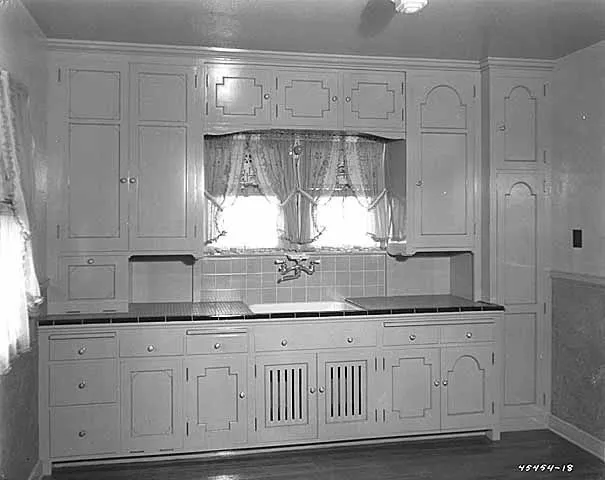
Embracing the Charm of 1930s Western Kitchens
Step back in time and infuse your culinary space with the rugged elegance of the American West. 1930s western kitchen decor evokes a sense of warmth, nostalgia, and enduring style. This design aesthetic captures the spirit of the frontier, blending rustic elements with a touch of vintage charm. To truly embrace this style, it’s essential to understand its core components, from the color palette and materials to the furniture and accessories. This article will guide you through the top 5 design tips to recreate the authentic feel of a 1930s Western kitchen, transforming your kitchen into a welcoming and visually captivating space that reflects the unique character of the era.
Authentic Color Palette
The color palette is the foundation of any successful design, and in a 1930s Western kitchen, it plays a crucial role in setting the mood. The aim is to create a warm, inviting, and grounded atmosphere that reflects the natural beauty of the Western landscape. Think of the colors of the desert, the mountains, and the vast skies to inspire your choices. This palette creates a cohesive look and feel that’s characteristic of the era. It is about capturing the essence of the West, offering a sense of both simplicity and depth.
Earthy Tones and Warm Hues

Embrace earthy tones and warm hues to establish a genuine 1930s Western kitchen design. Consider colors like terracotta, which reflects the color of the desert soil, and warm browns reminiscent of aged wood. Incorporate shades of beige and cream to balance these richer tones, creating a harmonious and inviting space. Accents of deep reds and oranges, inspired by sunsets and campfires, can further enhance the warmth and authenticity of your kitchen. These colors create a sense of comfort and familiarity, ensuring your kitchen feels welcoming and true to its design roots.
Incorporating Wood and Natural Materials
Wood and other natural materials are the cornerstone of 1930s western kitchen design, providing both aesthetic appeal and functional durability. The use of wood, especially reclaimed or distressed wood, adds a sense of history and character, making your kitchen feel lived-in and authentic. Consider exposed wooden beams, wooden cabinets, and butcher block countertops to integrate this material effectively. Introduce stone or brick for backsplashes or flooring, adding texture and a rustic element. These materials bring the essence of nature into your kitchen, grounding the design and connecting it to the rugged spirit of the West.
Rustic Furniture and Fixtures
Selecting the right furniture and fixtures is crucial for achieving the desired aesthetic. Prioritize pieces that exude a sense of handcrafted quality and rugged charm. Vintage or antique furniture, such as a farmhouse-style table or a well-worn wooden hutch, immediately adds character. Opt for fixtures that feature simple, functional designs made from materials like wrought iron or aged metal. Consider pendant lights with exposed bulbs or a vintage-style range hood to complement the overall design. These choices not only contribute to the authenticity of your kitchen but also provide a functional and visually engaging space.
Choosing the Right Cabinets and Countertops

The cabinets and countertops are essential elements that define the style of the kitchen. For cabinets, choose wood with a natural finish or a distressed look to create a rustic feel. Avoid overly modern or sleek designs; instead, opt for simple, functional styles. Countertops made from butcher block, soapstone, or concrete can add to the charm. These materials not only offer practicality but also complement the overall aesthetic, providing a beautiful and functional workspace that enhances the kitchen’s rustic appeal. The goal is to create a sense of timelessness and durability, capturing the essence of the era.
Selecting Western-Themed Appliances
Appliances also contribute significantly to the overall look of a 1930s Western kitchen. If possible, choose vintage-style appliances that feature classic designs and colors. For example, a refrigerator with rounded corners or a stove with a retro design can be ideal. Stainless steel appliances can also work, but make sure they are in keeping with the overall rustic look. Consider choosing appliances with simple, uncluttered designs, avoiding overly modern features. These appliances should blend seamlessly with the design, adding functionality without compromising the authentic appeal of the kitchen.
Adding Vintage and Rustic Decor
Decorations and accessories are the final touches that bring the entire design together. Incorporate vintage or rustic decor items to add personality and character to your kitchen. Consider adding vintage signs, metal cookware, or antique kitchen tools. These decorations not only enhance the visual appeal but also provide a glimpse into the history and culture of the era. Consider incorporating antique scales, vintage canisters, or a collection of enamelware. These items add a layer of depth and storytelling to your kitchen. The right accessories can transform your kitchen into a unique and inviting space.
The Power of Accessories

The accessories can make or break the design, so select them carefully. Choose items that complement the overall aesthetic and reflect the spirit of the West. Consider adding items like woven baskets, cast iron skillets, and vintage-style dish towels. Displaying these items not only adds visual interest but also adds to the kitchen’s practicality. Consider using ceramic pitchers, wooden cutting boards, and antique spice racks to create a cohesive and authentic look. These thoughtful choices not only enhance the space but also add functionality and practicality to the kitchen, making it a true reflection of the 1930s Western style.
Incorporating Texan Accents
To make the theme specific, consider integrating some Texan accents. This might mean adding elements like a Texas star, a steer head, or even a small, framed map of Texas. Use these accents to reinforce the regional theme. Incorporate Texan art or photography to highlight the state’s landscape. These subtle nods to Texan heritage can add a personal touch, while staying true to the overall western style. These details will also make the kitchen feel uniquely yours.
Lighting and Ambiance
Lighting and ambiance are important in any design project. The right lighting can dramatically transform the look and feel of your kitchen, enhancing its warmth and appeal. The goal is to create a welcoming space that evokes the spirit of the West. Consider the placement of lights and how they complement the other design elements. Use lighting to enhance the design. This will make the kitchen feel more inviting and enhance its authentic look.
Choosing the Right Light Fixtures

Select light fixtures that are in keeping with the overall style. Choose fixtures made from materials like wrought iron or aged metal. Pendant lights with exposed bulbs or vintage-style chandeliers can add a touch of rustic elegance. Consider installing task lighting above the countertops or sink to ensure functionality. The right lighting can transform your kitchen, making it both functional and visually appealing. Your choice of fixtures will help set the tone and ambiance of your kitchen. Also consider the light’s color temperature, opting for warm tones to enhance the sense of comfort and authenticity.
Creating a Cozy Atmosphere
The ambiance is essential. To create a cozy atmosphere, use soft, warm lighting. Dimmer switches can help you adjust the light levels to suit the mood. Consider adding candles or other decorative elements to add warmth to your space. The goal is to create a comfortable, inviting space. Small details, like the placement of lighting and the addition of candles, can really enhance the atmosphere. A well-lit kitchen is inviting and enhances the overall design, ensuring that your space feels warm and welcoming.
Maintaining Authenticity and Practicality
When designing a 1930s Western kitchen, it’s crucial to strike a balance between authenticity and practicality. While it’s important to embrace the style’s unique elements, ensure that the kitchen remains functional and meets your modern needs. Prioritize materials that are durable and easy to maintain. Incorporate modern appliances and technology, but disguise them as best as possible to fit with the overall design. By blending the best of both worlds, you can create a kitchen that reflects the charm of the past while providing a comfortable and functional space for the present. This thoughtful approach guarantees that your kitchen not only looks amazing but also serves your needs for years to come.