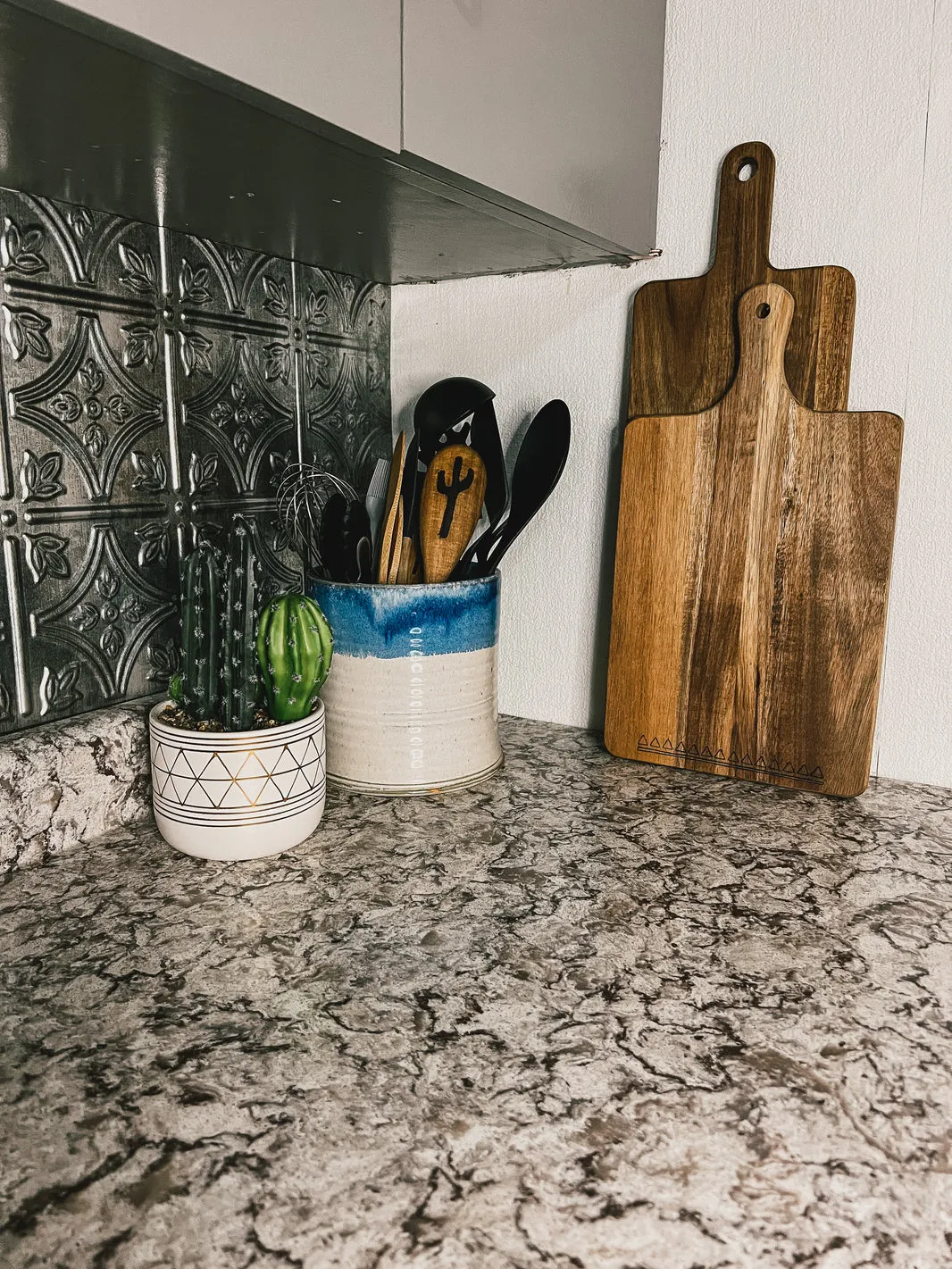
Embracing the Western Kitchen Decor Style
Western kitchen decor evokes images of vast landscapes, rugged individualism, and a connection to nature. It’s a style that embraces natural materials, warm colors, and a sense of history and comfort. A well-designed western kitchen is more than just a place to cook it’s a space that reflects a lifestyle and creates a welcoming atmosphere for family and guests. With careful planning and attention to detail, you can transform your kitchen into a stunning representation of the American West. Incorporating elements like wood, stone, leather, and warm color palettes will set the tone for the space, creating a cohesive and inviting atmosphere. Remember that the goal is to achieve a balance between aesthetics and functionality to ensure the kitchen is both beautiful and practical for everyday use.
Rustic Charm Elements
Rustic charm is the cornerstone of western kitchen design. It’s about embracing the imperfections and natural beauty of materials. This involves using raw, unfinished, or distressed elements that add character and authenticity to the space. The charm creates a sense of warmth, comfort, and a connection to the outdoors. This style celebrates the beauty of natural materials, showcasing the unique textures and grains of wood, the rough surfaces of stone, and the supple feel of leather. It is about creating a space that feels lived-in and inviting, where imperfections add to the overall aesthetic.
Using Wooden Accents

Wood is the quintessential element of western design, bringing warmth and texture to the kitchen. Think exposed beams, wooden cabinetry, and open shelving. Choose reclaimed wood for added character and a sustainable touch. Consider using different wood finishes throughout the space to create visual interest, from light-washed woods to rich, dark stains. The natural variations in wood grain add to the rustic appeal, making each piece unique. Implement wood on flooring, countertops, and even kitchen islands to make the design cohesive and add a sense of grounding. Consider butcher block countertops or wooden kitchen utensils to enhance the wooden accents in your kitchen.
Incorporating Stone and Brick
Stone and brick bring a sense of permanence and natural beauty to a western kitchen. Use stone for countertops, backsplashes, or even a feature wall. Brick can be used for the backsplash, flooring, or even a decorative accent around a fireplace or range hood. The textures of stone and brick add depth and visual interest, creating a grounded and earthy feel. The variations in color and texture of these materials enhance the rustic aesthetic, bringing the outdoors inside. Consider using a natural stone like granite, slate, or travertine for countertops to add a touch of luxury and durability. If you have an exposed brick wall, consider exposing it to the kitchen to add character and give the impression of a kitchen that’s been around a long time.
Adding Leather and Suede
Leather and suede add a touch of luxury and comfort to a western kitchen. Use leather for bar stools, dining chairs, or accent pieces like ottomans and pillows. Suede can be used for upholstery on furniture or as a decorative accent on window treatments. These materials bring a sense of warmth, texture, and sophistication to the space, while also being durable and long-lasting. Choose warm, earthy tones to complement the wood and stone elements, creating a cohesive and inviting atmosphere. Leather and suede bring a sense of tactile richness to the kitchen, creating a warm and welcoming environment. Leather bar stools or suede-covered dining chairs can add a touch of refinement without compromising the rustic theme.
Color Palette of the West

The color palette of a western kitchen is crucial for setting the mood. Opt for warm, earthy tones that reflect the colors of the desert and the mountains. These colors create a sense of warmth, comfort, and connection to nature. Use these colors on walls, cabinetry, and accents to create a cohesive and inviting atmosphere. You can incorporate colors through accessories, artwork, and textiles to ensure that the color palette isn’t too overwhelming. A well-executed color palette can tie all the elements of the design together, creating a cohesive and visually appealing space. With careful consideration of the color schemes, you can transform your kitchen into a haven that evokes the spirit of the Wild West.
Earthy Tones and Warm Colors
Earthy tones and warm colors are the foundation of a western kitchen color scheme. Think of colors inspired by the desert landscape like shades of brown, beige, and terracotta. These colors can be incorporated in the walls, cabinetry, and flooring. For accents, consider incorporating warm colors like rust, deep reds, and golds, which add a touch of vibrancy. These colors create a warm and inviting atmosphere, evoking a sense of comfort and connection to nature. By using earthy tones and warm colors, you can create a kitchen that feels both stylish and welcoming, creating a space that celebrates the beauty of the natural world. The key is to find a balance of these colors to ensure that the kitchen doesn’t feel too dark or overwhelming.
Using Pattern and Texture
Pattern and texture add depth and visual interest to your western kitchen. Incorporate patterns through textiles, such as rugs, curtains, and pillows. Choose patterns that reflect the western theme, such as geometric designs, animal prints, or southwestern motifs. Use textured materials like woven fabrics, distressed leather, and rough-hewn wood to add depth and visual interest. Mix and match these elements to create a layered and dynamic look. By using pattern and texture, you can bring a unique style to your kitchen that adds to the overall aesthetic and tells a story. Using patterned tiles on your backsplash or a textured wallpaper on a feature wall can also be a creative way of incorporating patterns.
Iconic Western Decor Ideas

Iconic western decor elements can instantly transform your kitchen into a space that exudes the spirit of the Wild West. Incorporating these elements can help you create a kitchen that feels authentic and inviting. Consider adding these details to elevate your design and capture the essence of the Western aesthetic. From rugged textures to classic motifs, these decor ideas will add a touch of character and charm to your kitchen, giving it a unique flair that embodies the spirit of the West. The goal is to create a space that evokes a sense of nostalgia and celebrates the rich history and culture of the American West.
Cowhide Rugs and Throws
Cowhide rugs and throws are a quintessential element of western decor, adding warmth, texture, and a touch of luxury. Place a cowhide rug in front of your kitchen island or under your dining table. Drape a cowhide throw over a bench or chair for added comfort. These elements bring a sense of authenticity and rustic charm to the space, while also being durable and easy to maintain. Their unique patterns and textures add visual interest and a touch of elegance. They also offer a cozy, inviting feel, making the space comfortable for the inhabitants. The natural colors of cowhide perfectly complement the earthy tones and warm colors of the western kitchen palette.
Wagon Wheel Chandeliers
A wagon wheel chandelier is an iconic symbol of the Wild West and a perfect addition to a western kitchen. Hang a wagon wheel chandelier over your kitchen island or dining table to create a focal point and add a touch of rustic elegance. Choose a chandelier with exposed bulbs and a distressed finish for an authentic look. This statement piece immediately sets the tone for the space, adding a touch of rustic charm and historical significance. The warm glow from the bulbs enhances the inviting atmosphere, making the kitchen feel welcoming and cozy. It provides a sense of drama and adds a captivating visual element to the kitchen design, elevating the whole aesthetic.
Adding Western-themed Artwork

Western-themed artwork is a great way to personalize your kitchen and reflect your appreciation for the Western lifestyle. Display paintings or prints of cowboys, horses, or landscapes. Consider incorporating rustic frames or reclaimed wood for a cohesive look. This adds a layer of personality and character to your kitchen, telling a story and evoking a sense of nostalgia. By carefully selecting and displaying artwork that resonates with you, you can transform your kitchen into a space that is uniquely yours. Incorporate vintage or antique pieces or create a gallery wall to add a touch of history and charm. Remember, the artwork should complement the other elements of your kitchen, creating a cohesive look.
Incorporating Kitchen Islands
Kitchen islands are a practical and stylish addition to any kitchen, and they are especially fitting for a western-themed space. They offer additional workspace, storage, and seating, making them a versatile and functional element. When designing your kitchen island, consider the materials, functionality, and style to create a centerpiece that complements the overall aesthetic of your kitchen. The design can become the focal point and enhance the kitchen’s beauty and functionality, offering both practical benefits and aesthetic appeal. The right kitchen island adds functionality and style to the kitchen, offering space for food preparation, storage, and casual dining.
Choosing the Right Materials
When choosing materials for your kitchen island, prioritize natural and durable options that align with the western aesthetic. Consider using reclaimed wood for the island base, incorporating stone or butcher block for the countertop. These materials add character and authenticity, ensuring that your island aligns with the overall theme of the kitchen. These materials not only enhance the rustic feel but also provide a solid foundation for the island. Consider incorporating metal accents, such as iron hardware or a metal base, to add a touch of industrial charm. The materials you choose should be functional and visually appealing, contributing to the cohesive design of your western kitchen.
Integrating Functionality

In addition to aesthetics, the kitchen island should be functional and meet your specific needs. Incorporate storage space by adding drawers, cabinets, or open shelving. Include a sink or dishwasher to enhance its functionality for food preparation and cleanup. Consider adding an overhang for seating, allowing for casual dining. By carefully planning the functionality of your kitchen island, you can create a versatile and practical workspace. Consider the placement of electrical outlets and other utilities to ensure it meets your daily needs. The integration of function ensures that your island is not just beautiful, but also a vital component of your kitchen.
Western Kitchen Decor Lighting
Lighting is critical in creating the right ambiance in your western kitchen. Proper lighting is more than just illuminating the space; it sets the mood and enhances the design aesthetic. Use a combination of ambient, task, and accent lighting to create a warm, inviting, and functional space. Strategic lighting choices will highlight the design elements and create an atmosphere that evokes the spirit of the West. The key is to layer your lighting to create different moods and enhance the functionality of the kitchen. Considering the fixtures, placement, and temperature of the lights will elevate the overall design, making it both aesthetically pleasing and practical for daily use.
Choosing the Right Fixtures
Select lighting fixtures that complement the western theme, such as wagon wheel chandeliers, pendant lights with a rustic finish, or sconces with a metal or wood design. These choices are crucial to setting the tone of your kitchen, highlighting the design elements and establishing the space’s aesthetic. Consider the style, size, and finish of each fixture to ensure it aligns with your vision. Using fixtures made of wrought iron or reclaimed wood is a great idea. When selecting your fixtures, consider the scale of your kitchen and the height of your ceilings, making sure that the fixtures are proportionate to the space. The right lighting fixture will not only provide illumination but also act as a statement piece, enhancing the overall design.
Layering the Lighting

Layering your lighting involves using a combination of ambient, task, and accent lights to create the desired atmosphere. Use ambient lighting, like recessed lights or a chandelier, to provide general illumination throughout the space. Add task lighting, such as under-cabinet lights or pendant lights over the kitchen island, to illuminate specific work areas. Integrate accent lighting, like sconces or spotlights, to highlight architectural features or artwork. This combination creates a balanced and functional lighting scheme. Ensure that your lighting design is practical and aesthetically pleasing. The layered approach provides flexibility, allowing you to adjust the ambiance to suit different activities and times of the day. Consider adding dimmers to give yourself more control over the brightness levels and the overall atmosphere.
Accessorizing Your Western Kitchen
Accessorizing is the final step in creating a well-designed western kitchen. It is essential to add the finishing touches that reflect the style. This includes incorporating textiles, accessories, and accent pieces to create a cohesive and inviting atmosphere. Choose accessories that align with the western theme, such as textiles with western motifs or accessories made of natural materials. The correct accessories can elevate your design and infuse it with personality, making the kitchen a truly distinctive and welcoming space. Remember that the accessories are the finishing touches and should tie the design together.
Adding Textiles and Fabrics
Textiles and fabrics can add warmth, texture, and pattern to your western kitchen. Use rugs with southwestern or geometric patterns to define spaces and add a touch of color. Place curtains on your windows or use a cowhide throw over your chairs. Consider incorporating pillows and cushions with western-inspired patterns. These additions enhance the visual interest and introduce comfort to the space. This is a great way to add depth to the design. Choose textiles that are both visually appealing and durable. By integrating textiles into your design, you can soften the hard surfaces and make the kitchen feel more inviting and homey.
Including Western-themed Accessories

Choose accessories that complement your kitchen’s western theme. Consider adding elements like pottery, antique tools, or wooden cutting boards. Display these accessories on open shelves, countertops, or walls to add character and charm. These pieces add a layer of personality and storytelling to the kitchen. Choose accessories that speak to your personal style and connect with the overall theme of the space. Accessories can make your kitchen more inviting and make it a space that you genuinely enjoy spending time in. Ensure your accessories tie the design together.
Creating a Cohesive Design
Creating a cohesive design is about bringing all the elements together to create a harmonious and inviting kitchen. This involves ensuring that the colors, materials, and accessories complement each other. The goal is to create a unified space that reflects the western theme and the owner’s personality. Pay attention to the balance and flow of elements within the kitchen. When all the elements work in harmony, you can create a space that is beautiful, functional, and a joy to be in. Ensuring that the overall design is cohesive helps to create a space that is not only beautiful but also feels like home.