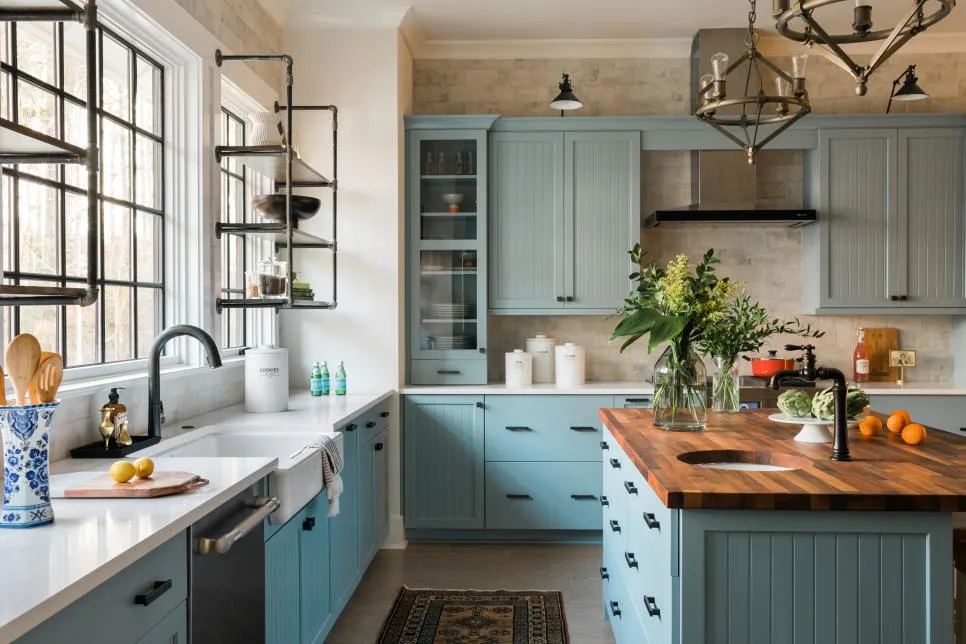
The heart of the home, the kitchen, often reflects the homeowner’s personality and style. For those drawn to the rugged charm of the American West, incorporating western kitchen decor colors is a fantastic way to create a space that is both inviting and evocative. The right color choices can transport you to a serene desert landscape or a cozy, rustic ranch. This guide explores five stunning western kitchen color choices that will transform your kitchen into a stunning showcase of western design. Let’s dive into how you can infuse your kitchen with the spirit of the West, creating a space that is both functional and visually appealing. Understanding these colors is the first step to achieving a cohesive and captivating western aesthetic.
Embrace the Western Aesthetic in Your Kitchen
Before selecting your colors, it’s essential to understand the essence of western design. This style is characterized by warmth, natural textures, and a connection to the outdoors. Think of sun-drenched landscapes, the rich hues of the earth, and the comforting feel of wood and leather. Western design often incorporates natural materials, such as wood, stone, and leather. The overall goal is to create a space that is both comfortable and reflective of the rugged beauty of the American West. Embrace this aesthetic by considering the materials and textures you wish to incorporate. Integrating elements such as reclaimed wood, wrought iron accents, and cowhide rugs will significantly enhance the western feel, regardless of the colors chosen.
Choosing the Right Color Palette
The color palette is the cornerstone of any successful design. For a western kitchen, you’ll want to choose colors that evoke the warmth and beauty of the American West. Consider colors that reflect the natural landscape, from the deep reds and oranges of desert sunsets to the muted greens and browns of canyons and prairies. When selecting your palette, think about how the colors will interact with natural light and the overall mood you want to create. Consider the size of your kitchen and the amount of natural light it receives. Lighter colors will make a small kitchen feel more spacious, while darker hues can create a cozy and intimate atmosphere in a larger space. Use these principles as you explore the following color options.
Earthy Tones Bringing the Outdoors In

Earthy tones are the heart of the western aesthetic. These colors create a sense of warmth, stability, and connection to nature. Think of colors like terracotta, which evokes the desert landscape, or a warm, inviting brown, reminiscent of the rich soil. Consider using shades of olive green or sage, bringing in the feeling of the open range. These colors work well on walls, cabinets, or even as accent colors in your backsplash or countertops. Using earthy tones in your kitchen can create a truly immersive western experience. It’s like bringing the beauty of the desert into your home. Complement these colors with natural materials such as wood and stone for the ultimate western feel.
Warm Neutrals Creating a Welcoming Space
Neutral colors are crucial for establishing a versatile base in a western kitchen. These tones act as a canvas, allowing you to layer in other colors and textures. Creamy whites, beige, and soft grays can create a welcoming and airy atmosphere. These colors can be used on walls, cabinetry, or even the ceiling to create a cohesive look. When choosing your neutral palette, consider the undertones. Warm neutrals with yellow or brown undertones will complement the earthy tones, enhancing the warmth of your kitchen. Layering these neutral colors with natural wood elements and textures will create a harmonious and inviting space. The use of neutral colors will also allow you to easily switch up your decor without having to repaint the entire kitchen. These neutral shades create a timeless appeal.
Bold Pops of Color Adding Personality
While earthy tones and neutrals are essential, bold pops of color can inject personality and energy into your western kitchen. Consider using colors like deep reds, burnt oranges, or turquoise as accent colors. These colors can be incorporated through accessories, artwork, or even a statement piece of furniture. A vibrant turquoise backsplash or a red dining table can add visual interest and break up the neutral color scheme. These bolder colors provide a striking contrast and enhance the overall character of your kitchen, transforming it into a vibrant space. Don’t be afraid to experiment with color to achieve your desired aesthetic.
Accent Colors Highlighting Features

Accent colors are the finishing touches that tie everything together in your western kitchen. These colors can highlight architectural features, such as a kitchen island or a fireplace, or accentuate decorative items, such as artwork or textiles. Consider using a deep, rich brown or a contrasting shade of green for your island. Metallic accents, like copper or bronze, can also add a touch of sophistication and warmth. The key is to find the right balance and avoid overwhelming the space. By carefully choosing your accent colors, you can create a cohesive and visually appealing design. Properly selected accent colors provide the perfect finishing touch, tying your entire kitchen design together.
Integrating Western Decor Elements
Color is only one part of the equation. To fully embrace the western aesthetic, it’s essential to incorporate specific decor elements. Look for materials like wood, stone, and leather. Reclaimed wood cabinets or a stone backsplash will perfectly complement your chosen color palette. Consider adding wrought iron accents, such as cabinet hardware or a pot rack. Incorporate elements that reflect the spirit of the West, like cowhide rugs, rustic wooden furniture, and vintage signs. All of these details work together to create an authentic western look. Remember, the best kitchens tell a story; let yours tell the tale of the American West.
Using Natural Materials
Natural materials are a cornerstone of western design. They add texture, warmth, and a touch of authenticity to your kitchen. Incorporate wood elements in your cabinetry, countertops, or flooring. Stone, whether it’s granite, slate, or limestone, can be used for countertops or backsplashes. Leather accents, such as bar stools or chair upholstery, add a rugged yet refined touch. These materials bring an organic feel that harmonizes with the color palette. The use of natural materials not only enhances the visual appeal of your kitchen but also connects you to the environment. These materials have a unique charm that adds character and longevity to your kitchen design.
Accessorizing with Western Flair

Accessories are essential for personalizing your western kitchen. Incorporate items that reflect the spirit of the West. Consider using vintage signs, such as those from old saloons, or adding artwork depicting landscapes or cowboys. Textiles, such as woven rugs or patterned curtains, can add texture and color. Use copper cookware, rustic pottery, and wooden cutting boards to create a cohesive and visually appealing design. The right accessories will complete the look and make your kitchen feel like a true western haven. These decorative touches will help make your kitchen feel like home.
Conclusion
Creating a western-inspired kitchen is all about embracing the warmth, beauty, and rugged charm of the American West. By carefully choosing your colors, incorporating natural materials, and accessorizing with the right elements, you can transform your kitchen into a captivating and inviting space. Embrace earthy tones, warm neutrals, and bold pops of color to create a palette that reflects the spirit of the West. Let your kitchen become a space where you can cook, gather, and create lasting memories. With these tips, you’re well on your way to designing a kitchen that reflects your style and love for the western aesthetic. Enjoy the process of designing your perfect western kitchen and revel in the beauty of the West.