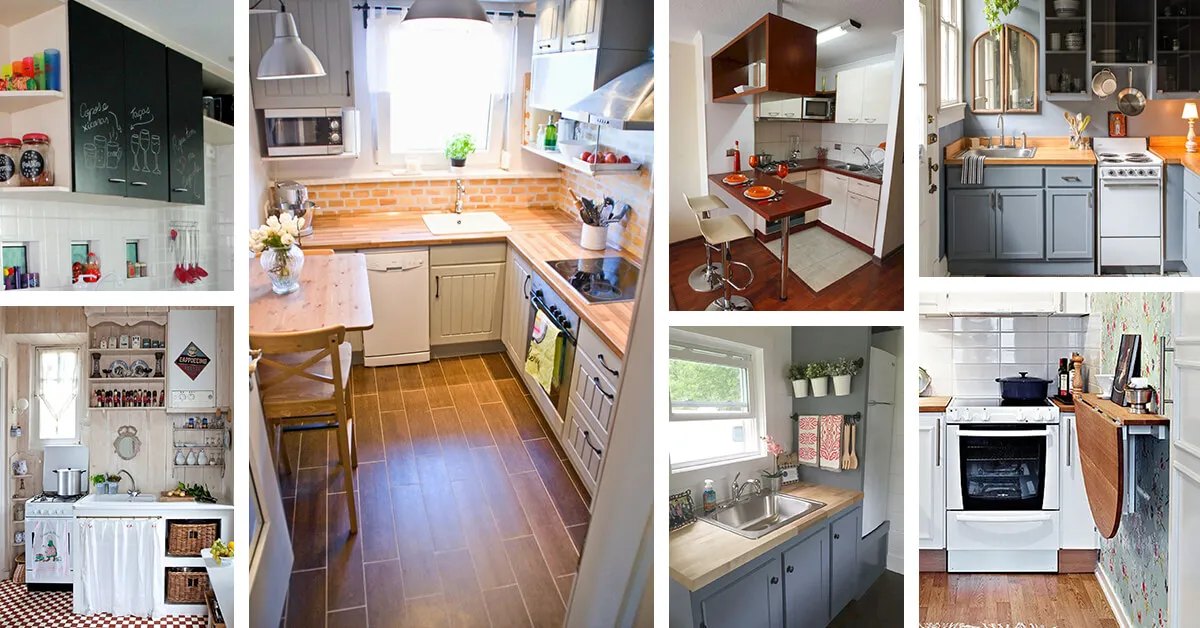
Maximize Space in Small Kitchens
Small kitchens present a unique design challenge, but with the right strategies, they can be transformed into functional and stylish spaces. The key is to think creatively about how to utilize every inch of available area. From clever storage solutions to smart appliance choices, there are numerous ways to make a small kitchen feel larger and more efficient. The following ideas will help you maximize the potential of your compact culinary space, creating a kitchen that is both beautiful and practical. By implementing these secrets, you can overcome the limitations of a small kitchen and enjoy a cooking and dining experience that is both enjoyable and efficient. Remember that thoughtful planning and execution are the foundation of any successful small kitchen design.
Utilize Vertical Space
One of the most effective ways to expand a small kitchen is to make use of vertical space. This involves utilizing the height of the room to its fullest extent, which allows for the addition of storage without taking up valuable floor space. By going upwards, you can dramatically increase the amount of storage available, keeping countertops clear and the kitchen feeling less cluttered. This approach not only adds functionality but also enhances the aesthetic appeal by creating a sense of openness and airiness.
Install Open Shelving

Open shelving is a great option, both in terms of space and aesthetics. Instead of bulky upper cabinets, install floating shelves to display your favorite dishware, cookbooks, or decorative items. This keeps frequently used items within easy reach while adding a touch of personality to your kitchen. Be sure to arrange your items neatly to maintain a clean and organized look. Open shelving also makes the kitchen feel more spacious by removing the visual weight of solid cabinetry, making your kitchen looks stylish and accessible.
Optimize Cabinet Storage
Even if you have traditional cabinets, make the most of them. Install pull-out shelves, lazy Susans, or drawer dividers to maximize storage. These solutions make it easier to access items and prevent things from getting lost in the back of the cabinets. Utilize the inside of cabinet doors by adding racks for spices, cleaning supplies, or other small items. Efficient cabinet storage can significantly improve the functionality of a small kitchen, allowing you to store more while keeping everything easily accessible.
Clever Color Schemes
Color plays a crucial role in how large or small a space feels. Choosing the right color scheme can create the illusion of more space, making your kitchen feel brighter and more welcoming. Light and airy colors can work wonders in a small kitchen, reflecting light and preventing the space from feeling cramped and dark. Consider the overall feel you want to create, and select colors that complement your style while making the most of your space.
Use Light Colors to Enhance Space

Light colors such as white, pale gray, or soft pastels are ideal for small kitchens. These colors reflect light, making the room feel brighter and more open. Using light colors on walls, cabinets, and even countertops can create a sense of spaciousness. Avoid dark colors, which can make a small kitchen feel enclosed and cramped. Using light colors is a quick and effective way to visually expand your kitchen, making it feel more inviting and comfortable.
Accent with Contrasting Colors
While light colors are the foundation, you can introduce contrasting colors through accessories, backsplashes, or small appliances. This adds visual interest and prevents the space from feeling bland. For instance, you might choose a colorful backsplash or a bold-colored appliance to create a focal point. Keep the accents limited to avoid overwhelming the space. This approach helps add personality to your kitchen, avoiding a monotonous aesthetic.
Smart Appliance Choices
Appliances can take up significant space in a small kitchen, so it’s essential to choose wisely. Opt for appliances that are designed for smaller spaces, such as compact refrigerators, slim dishwashers, and smaller-sized ovens. Multifunctional appliances can also save space by combining multiple functions into a single unit. By selecting appliances that fit your needs without overwhelming the space, you can optimize the layout and functionality of your small kitchen, making cooking and cleaning more efficient and enjoyable.
Choose Compact Appliances

Look for appliances specifically designed for small spaces. These appliances are often narrower, shallower, or have a smaller footprint. Examples include apartment-sized refrigerators, compact dishwashers, and combination microwave-ovens. These choices will help you save valuable space without sacrificing essential functionality. Check the dimensions carefully to ensure that the appliances will fit into your kitchen layout and meet your needs.
Consider Multifunctional Appliances
Multifunctional appliances can save both space and money. Consider purchasing a microwave-oven combination, a convection oven that also functions as a toaster, or a food processor that can also be used as a blender. These appliances reduce the number of items on your countertops and in your cabinets, which helps to keep your kitchen uncluttered. Multifunctional appliances can also simplify your cooking tasks and make it easier to prepare meals.
Strategic Lighting
Lighting can significantly impact the ambiance and functionality of a small kitchen. Layered lighting, which combines different types of lighting, creates a more versatile and appealing space. By incorporating a combination of ambient, task, and accent lighting, you can create a kitchen that is bright, functional, and inviting. This strategic approach to lighting can dramatically transform the feel of your kitchen, making it appear larger and more welcoming.
Layer Lighting for Ambiance

Combine ambient, task, and accent lighting to create a well-lit and inviting space. Ambient lighting provides overall illumination, while task lighting focuses on specific areas, such as the countertops and the stove. Accent lighting can highlight architectural features or decorative elements. Use dimmers to control the intensity of the lights, allowing you to adjust the atmosphere to suit your needs. This combination of lighting will enhance the functionality and aesthetics of your kitchen.
Incorporate Under-Cabinet Lighting
Under-cabinet lighting is a great way to illuminate countertops, making it easier to prepare food and creating a warm, inviting atmosphere. Consider installing LED strip lights, which are energy-efficient and provide ample light. This type of lighting also adds a touch of elegance to your kitchen design. Under-cabinet lighting is both practical and aesthetically pleasing, enhancing both the functionality and the visual appeal of your kitchen.
Declutter and Organize
A clutter-free kitchen is a key component of a functional and visually appealing space. Regular decluttering and a strong organizational system can maximize space and make your kitchen feel larger. By keeping countertops clear and cabinets organized, you’ll create a more enjoyable cooking and dining experience. Implement strategies to minimize clutter, and maintain a consistent cleaning routine to keep your kitchen looking its best.
The Importance of Countertop Organization

Keep your countertops clear by storing small appliances, utensils, and other items when they’re not in use. Use organizers to corral items, such as spice racks, utensil holders, and knife blocks. Designate a specific place for everything to prevent clutter from accumulating. A tidy countertop is a sign of an organized kitchen, creating a more pleasant cooking environment. Prioritize the items you use most frequently, and store less-used items elsewhere.
Implement a Cleaning Routine
Establish a regular cleaning schedule to maintain a tidy kitchen. Wipe down surfaces after each use, and empty the dishwasher regularly. Regularly clean out your refrigerator and pantry to get rid of expired items and to keep the space organized. A clean kitchen is essential for both functionality and aesthetics, contributing to a more enjoyable cooking experience. Make cleaning a habit to ensure your kitchen always looks its best.
Accessorize Thoughtfully
Even in a small kitchen, you can add personality through accessories. Choose items that are both functional and decorative, and avoid overcrowding the space. Select a few well-chosen pieces to enhance your kitchen’s style without making it feel cluttered. Careful selection of accessories will help you create a space that is both stylish and practical, reflecting your personal taste while maximizing space.
Choose Minimalist Decor

Embrace a minimalist approach to decor in a small kitchen. Choose a few key pieces that you love, and avoid cluttering the space with unnecessary items. Simple, clean lines and functional decor work best in a small kitchen. Opt for items that serve a purpose, such as a stylish dish rack or a decorative canister. This approach will keep your kitchen looking organized and inviting, enhancing the feeling of spaciousness.
Add Plants for a Fresh Look
Plants can bring life and freshness to a small kitchen. Choose low-maintenance plants that thrive in kitchen environments, such as herbs or succulents. Place them on a windowsill, countertop, or open shelving. Plants add a touch of nature to your kitchen and can also purify the air. This simple addition will enhance the aesthetic appeal of your kitchen while adding a touch of greenery.
Create a Functional Layout
The layout of your kitchen has a significant impact on its functionality. Optimize the kitchen triangle, consider adding a kitchen island (if space allows), and ensure there is ample space for movement. Thoughtful planning of your kitchen’s layout will maximize efficiency and make cooking a more enjoyable experience.
Optimize the Kitchen Triangle
The kitchen triangle refers to the relationship between the sink, the stove, and the refrigerator. Ensure these three elements are within easy reach of each other, so you can move efficiently between them. This setup makes it easier and faster to prepare meals. Optimize your kitchen layout to improve the flow and make cooking more convenient. Consider the distance and the accessibility of each area of the triangle.
Consider a Kitchen Island
If space permits, a kitchen island can provide additional counter space, storage, and seating. A small island on wheels is a great option for smaller kitchens, as it can be moved to provide more flexibility. An island can also serve as a dining area, allowing you to save space elsewhere. Carefully consider the size of the island in relation to the size of your kitchen, ensuring it doesn’t obstruct movement or make the space feel cramped.
Conclusion
Designing a small kitchen requires creativity and careful planning, but the results can be incredibly rewarding. By implementing these seven secrets — maximizing space, utilizing color, choosing smart appliances, strategic lighting, decluttering and organizing, accessorizing thoughtfully, and creating a functional layout — you can transform your small kitchen into a stylish and efficient space. With a little effort and the right approach, you can create a kitchen that is not only beautiful but also a joy to cook and spend time in. Embrace these ideas, and enjoy the process of creating your dream kitchen, no matter the size.