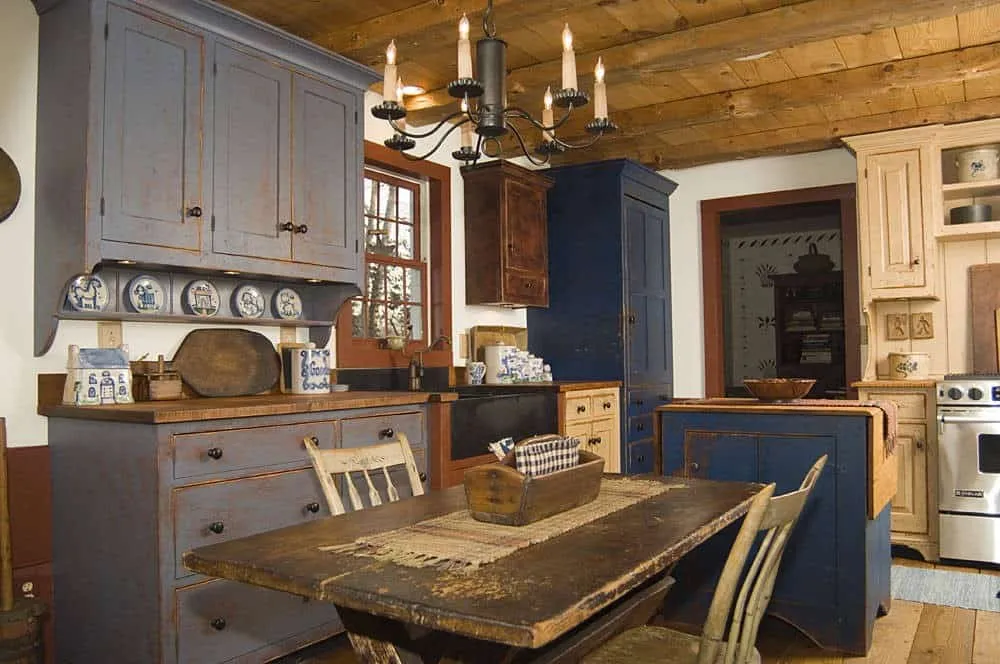
What is Rustic Kitchen Decor
Rustic kitchen decor embraces the charm of the countryside, combining natural elements with a warm, inviting atmosphere. It’s about creating a space that feels lived-in and comfortable, reflecting a love for simplicity and authenticity. This style often incorporates raw, unfinished materials, vintage accents, and a color palette inspired by nature. The goal is to evoke a sense of history and character, making the kitchen a welcoming heart of the home. Whether you live in a sprawling farmhouse or a city apartment, rustic kitchen decor can transform your space into a cozy retreat, full of personality and style. Embrace the imperfections, celebrate the beauty of natural materials, and create a kitchen that truly reflects your taste and lifestyle. The appeal of rustic design lies in its ability to blend functionality with aesthetic appeal, resulting in a space that is both practical and visually stunning.
Key Elements of Rustic Kitchen Design
Several key elements define the essence of rustic kitchen design. Natural materials like wood, stone, and metal are fundamental. Wood can be used for cabinets, countertops, and flooring, while stone adds texture to backsplashes and walls. Metal, often in the form of wrought iron or cast iron, contributes to the rustic aesthetic through hardware, light fixtures, and decorative accents. Furthermore, the color palette typically draws inspiration from nature, incorporating earthy tones such as creams, browns, greens, and blues. Texture is also crucial; think rough-hewn wood, exposed brick, and woven fabrics. Accessories play a significant role, with vintage pieces, antique finds, and handcrafted items adding character and personality. These elements work in harmony to create a space that is both functional and visually appealing, embodying the warmth and charm of rustic style. The careful selection and integration of these elements are what give a rustic kitchen its distinctive character.
Color Palette

The color palette in a rustic kitchen plays a crucial role in setting the mood and creating a cohesive aesthetic. Earthy tones are the cornerstone, with creams, beiges, and warm whites providing a neutral backdrop. These colors reflect natural light and create a sense of spaciousness. Accent colors can be drawn from nature, such as sage green, slate blue, or terracotta, adding depth and visual interest. Avoid stark, modern colors in favor of muted, subdued hues that evoke a sense of history and timelessness. Incorporate these colors through paint, cabinetry, textiles, and accessories to create a harmonious and inviting space. Consider using a combination of light and dark tones to add contrast and visual appeal. A well-chosen color palette is the foundation of a successful rustic kitchen design.
Materials and Textures
The selection of materials and textures is central to achieving the rustic look. Wood is perhaps the most important element, used for cabinets, countertops, and flooring. Opt for reclaimed or distressed wood to add character and imperfections that enhance the rustic vibe. Stone, whether it’s a natural stone countertop or a stone backsplash, adds texture and a connection to the earth. Metal accents, such as wrought iron hardware, cast iron cookware, and copper sinks, introduce a touch of industrial charm. Fabrics like linen, burlap, and woven textiles bring warmth and softness to the space. Don’t be afraid to mix and match different materials and textures to create visual interest. This combination of natural materials and varied textures will help define your kitchen’s rustic character.
Rustic Kitchen Decor Ideas
Rustic kitchen decor offers a wide range of creative possibilities to personalize your space. Consider incorporating open shelving to display vintage dishes, cookbooks, and decorative items. A farmhouse sink adds a touch of classic charm, while distressed cabinets and exposed beams enhance the rustic feel. Utilize vintage accessories such as antique scales, enamelware pots, and wooden cutting boards. Add a statement piece like a rustic dining table or a vintage-inspired chandelier to anchor the space. In terms of design, focus on functionality, ensuring that the layout is practical and easy to navigate. Ensure that every element contributes to the overall rustic aesthetic. The careful selection of these elements is what sets a rustic kitchen apart.
Incorporating Reclaimed Wood

Reclaimed wood is a cornerstone of rustic design, bringing history, character, and sustainability to your kitchen. Use reclaimed wood for countertops, open shelving, or even a feature wall. The imperfections and variations in the wood add depth and a unique aesthetic. Consider sourcing reclaimed wood from old barns, factories, or other structures to add a story to your kitchen. You can also create a custom island using reclaimed wood, providing both a functional workspace and a stunning focal point. The weathered look of reclaimed wood creates a sense of warmth and authenticity, making your kitchen feel cozy and inviting. Proper sealing and treatment are essential to ensure that reclaimed wood is durable and safe for kitchen use.
Using Vintage Accessories
Vintage accessories are a crucial part of achieving the rustic aesthetic, adding character and personality to your kitchen. Shop at antique stores, flea markets, and online marketplaces to find unique pieces. Consider incorporating antique scales, enamelware pots, vintage signs, and wooden cutting boards. Display vintage cookbooks, ceramic canisters, and mason jars on open shelving to add a touch of nostalgia. Hang vintage light fixtures, such as pendant lights or chandeliers, to create a warm and inviting atmosphere. Use vintage textiles, like tea towels and curtains, to soften the space and add color and texture. The key is to mix and match different items and textures to create a curated, lived-in look. These vintage details will help bring the rustic charm of your kitchen to life.
Adding Farmhouse Charm
Farmhouse charm is a natural fit for rustic kitchen decor, blending simplicity with functionality. Incorporate a farmhouse sink, a classic element that adds instant character. Use Shaker-style cabinets and a neutral color palette to create a clean, inviting backdrop. Add touches of wood, such as a butcher block countertop or a wooden dining table, to enhance the warmth. Decorate with vintage accessories, such as antique scales, enamelware pots, and mason jars. Use open shelving to display these items, and consider adding a rustic chandelier or pendant lights for lighting. Incorporate textiles like linen curtains or patterned tea towels to add softness and texture. The focus is on creating a cozy and practical space that reflects the warmth and simplicity of the countryside. This will establish a friendly, functional, and inviting kitchen.
DIY Rustic Kitchen Decor Projects

DIY projects are a great way to personalize your rustic kitchen and save money. Create open shelving using reclaimed wood and metal brackets. Build a farmhouse-style dining table or kitchen island with reclaimed materials. Make a rustic sign with a charming quote or design. Distress your existing cabinets with paint and sandpaper to give them a vintage look. Craft decorative elements, such as mason jar organizers or utensil holders. Painting old furniture is another idea. These hands-on projects offer a sense of satisfaction and allow you to tailor your decor to your specific needs. Consider using online tutorials and guides to assist with these projects. They will add character and style to your kitchen.
Creating Your Own Rustic Kitchen Decor
Creating your own rustic kitchen decor involves thoughtful planning and a personalized approach. Start by identifying the elements of the style that resonate with you most. Consider the color palette, materials, and accessories that you find appealing. Begin with a base of neutral colors, and incorporate natural materials like wood and stone. Source vintage accessories from various locations, and look for items that tell a story. Don’t be afraid to mix different styles and textures to create a unique look. Embrace imperfections, as they add character and charm. Focus on functionality, and ensure that your kitchen layout is practical and efficient. This will provide an atmosphere that is warm, inviting, and reflective of your personal style. It is about creating a space that you will love spending time in.
Tips for a Cozy Rustic Kitchen
Creating a cozy rustic kitchen involves several key considerations. Warm lighting is essential; use pendant lights, sconces, and under-cabinet lighting to create a welcoming ambiance. Incorporate soft textiles, such as linen curtains, woven rugs, and cozy cushions, to add warmth and texture. Add personal touches with photographs, artwork, and cherished collectibles. Create a comfortable dining area with a rustic table and chairs. Ensure that your kitchen is functional and organized, with easy access to frequently used items. The inclusion of these elements will create a place that is warm, inviting, and perfect for both cooking and socializing. The goal is to establish an atmosphere where you and your family can relax and enjoy the heart of your home.
Lighting

Lighting is a crucial element in creating a cozy rustic kitchen. Utilize a combination of lighting options to achieve a warm and inviting atmosphere. Pendant lights over the kitchen island or dining table add both functionality and style. Sconces on the walls can provide ambient light, and under-cabinet lighting is perfect for illuminating countertops. Consider using Edison bulbs or other vintage-inspired light bulbs to enhance the rustic aesthetic. Avoid harsh overhead lighting; instead, opt for softer, diffused light sources. Natural light is also important, so ensure that your windows are clean and unobstructed. The right lighting will bring out the beauty of your rustic décor and create a welcoming space.
Layout and Functionality
The layout and functionality of your kitchen are just as important as the aesthetic. Ensure that your kitchen is designed to be practical and efficient. Consider the work triangle, placing the sink, stove, and refrigerator in a logical arrangement. Maximize storage space with cabinets, drawers, and open shelving. Make sure that countertops offer ample workspace. Consider the flow of traffic throughout the kitchen, and create clear pathways. A well-organized kitchen will make cooking and entertaining easier. If you regularly cook, think about the design of your kitchen around the specific needs of your cooking style. Ultimately, the combination of aesthetics and functionality will create a kitchen that is both beautiful and practical.
Maintaining Your Rustic Kitchen Decor
Maintaining your rustic kitchen decor involves a few simple practices. Regularly clean and dust surfaces to prevent build-up. Protect wood surfaces with appropriate sealers and finishes. Clean spills immediately to avoid staining or damage. Inspect vintage accessories and furniture for any signs of wear and tear, and address any issues promptly. Embrace the imperfections, as they add character. However, take measures to prevent damage to your décor. Update the look from time to time to keep it fresh and appealing. The goal is to preserve the beauty and charm of your rustic kitchen for years to come. The care you take will ensure that your kitchen remains a welcoming and inviting space.