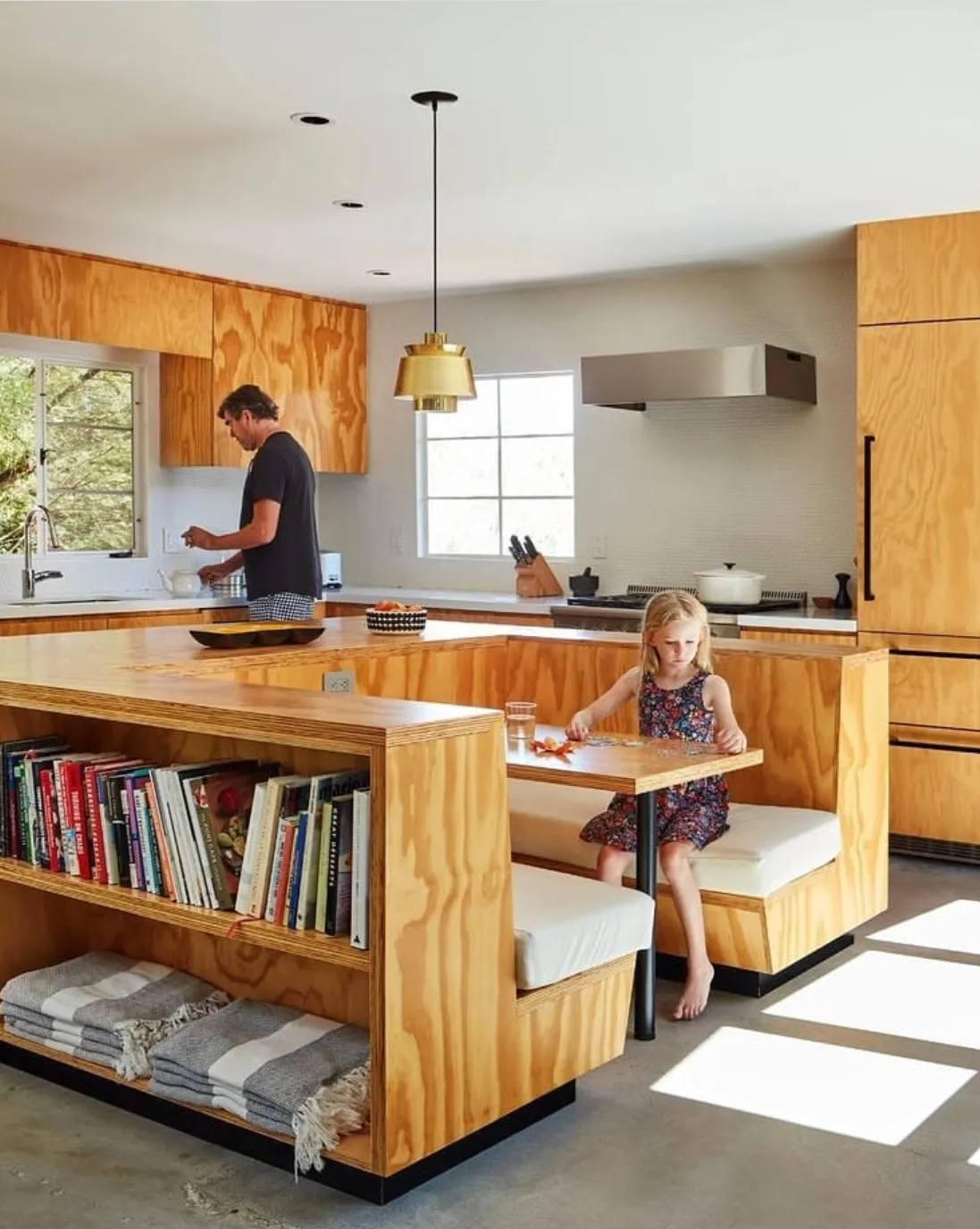
Understanding Rustic Kitchen Decor
Rustic kitchen decor embraces the warmth and simplicity of natural materials, creating a cozy and inviting atmosphere. It’s a style that celebrates imperfections, embraces the beauty of aged textures, and often draws inspiration from the countryside. The appeal of rustic design lies in its ability to create a sense of history and character, transforming a utilitarian space into a welcoming heart of the home. This design choice stands in stark contrast to the sleek lines of modern kitchens, offering instead a tactile and visually rich environment. When you choose rustic kitchen decor, you’re choosing a space that feels lived-in, loved, and full of personality. It’s a style that tells a story, a story of comfort, simplicity, and a deep appreciation for the natural world.
What Defines Rustic Style
Rustic style is defined by its emphasis on natural materials, such as wood, stone, and metal. The focus is on textures and imperfections, which add character and charm. This style often incorporates elements of nature, bringing the outdoors inside. The color palette tends to be earthy, featuring warm tones, such as browns, creams, greens, and muted shades. Furniture often has a handmade or antique look, with distressed finishes or visible wood grain. The overall aesthetic is one of comfort and simplicity, creating a space that feels both welcoming and timeless. Rustic design is about embracing the beauty of imperfection and celebrating the inherent qualities of natural elements. This philosophy extends to every facet of the decor, from the exposed wooden beams to the hand-forged iron hardware, creating a harmonious blend of nature and artistry.
Key Elements of Rustic Design

Several key elements contribute to the rustic aesthetic. Exposed wooden beams and reclaimed wood are frequently used in ceilings, walls, and furniture. Stone or brick accents add texture and a sense of history. Natural light is crucial, with large windows and minimal window treatments. Metal accents, such as wrought iron hardware and light fixtures, provide contrast and visual interest. The color palette leans towards earthy tones, and textiles often feature natural fabrics like linen and burlap. These elements combine to create a space that feels grounded, comfortable, and connected to nature. The interplay of these elements creates a cohesive and inviting environment. Rustic kitchens often incorporate vintage or antique pieces, adding layers of history and charm. The thoughtful incorporation of these elements is what sets rustic design apart.
Planning Your Rustic Kitchen
Planning is crucial for a successful rustic kitchen design. Begin by assessing your existing space and identifying your needs and preferences. Then, establish a realistic budget, considering the cost of materials, labor, and accessories. Gather inspiration from various sources, such as magazines, websites, and design professionals. Careful planning ensures that your vision aligns with your budget and the practicalities of your space. A well-thought-out plan will help you avoid costly mistakes and achieve the desired aesthetic. Taking the time to plan will save you time and stress down the line, allowing you to enjoy the process of creating your dream kitchen. Consider the workflow, the functionality, and the overall look you want to achieve before beginning any renovation or redecoration project.
Assessing Your Space and Needs
Before you start designing, carefully assess your current kitchen. Measure the space, noting the location of windows, doors, and existing fixtures. Consider how you currently use your kitchen and identify any functional issues. Think about your lifestyle and cooking habits, including how often you cook, entertain, and dine in the kitchen. Determine what you like and dislike about your current kitchen. This analysis will help you make informed decisions about the layout, materials, and features of your new rustic kitchen. Understanding the limitations and opportunities of your space is crucial for creating a functional and aesthetically pleasing design. Consider the flow of movement in the kitchen and ensure that the design supports your daily activities.
Defining Your Budget

Establishing a realistic budget is essential to avoid overspending. Research the costs of materials, such as cabinets, countertops, and appliances. Get quotes from contractors or suppliers if you plan to hire professionals. Allocate funds for unexpected expenses, which are common in any renovation project. Prioritize your must-haves and be willing to compromise on less essential features to stay within budget. Consider DIY options to save money where possible. A clear budget ensures that your project stays on track and prevents financial stress. Plan for potential cost overruns and keep track of your spending throughout the project. It is very important to have a detailed budget plan before starting the project, as the cost can vary from different materials and service providers.
Gathering Inspiration and Ideas
Collect inspiration from various sources, such as magazines, websites, Pinterest, and home design shows. Create a mood board or a digital file to organize your ideas, including images of kitchens, materials, and accessories that appeal to you. Note the features you like, such as cabinet styles, countertop materials, color palettes, and lighting fixtures. Visit showrooms and open houses to see rustic kitchens in person. Talk to designers and contractors to gather their expertise. Having a clear vision of what you want will help you make informed decisions and communicate your ideas effectively. Inspiration helps you narrow down your style preferences, refine your design plan, and ensure your final product aligns with your vision. This visual guide will become an indispensable tool throughout your design process.
Choosing Rustic Kitchen Elements
Selecting the right elements is key to achieving a rustic kitchen aesthetic. Start with the cabinets and countertops, as these are the most prominent features. Choose wall colors and backsplash materials that complement your cabinetry. Select accessories, such as lighting fixtures and decorative items, to add personality and charm. The materials and finishes you select should harmonize with each other and the overall style of your home. The key is to create a balanced and cohesive design that reflects your personal taste and lifestyle. Carefully consider the texture, color, and style of each element to ensure that they contribute to the rustic aesthetic. Make sure to consider the amount of natural light available, and also think about the overall flow and functionality of the kitchen space.
Selecting Cabinets and Countertops

Cabinets and countertops significantly impact the overall look of your rustic kitchen. Consider wood cabinets with a natural finish or a distressed look to enhance the rustic character. Explore different countertop materials, such as granite, butcher block, or concrete. The style of the cabinets plays a large role in defining the kitchen’s character. Shaker-style cabinets are a popular choice as they have a clean look, which will provide balance with the rustic elements. The color of the cabinetry can also significantly contribute to the kitchen’s overall design. Light-colored cabinets make a space feel brighter, while dark cabinets create a cozier atmosphere.
Exploring Wood Options
Wood is a cornerstone of rustic design. Select solid wood cabinets or those with a wood-like finish. Consider the type of wood, such as oak, pine, or reclaimed wood, each offering unique textures and tones. Opt for a natural stain or a distressed finish to highlight the wood grain and add character. Reclaimed wood adds a unique story and character to the kitchen. Consider using different wood types to add depth and dimension. Proper sealing and maintenance of the wood are crucial for durability. Wood can be incorporated in various ways, from cabinets to open shelves. These features provide a warm and inviting feeling to the space. Consider the color and grain of the wood as these elements will determine the final look and feel of the kitchen.
Choosing Countertop Materials
Countertops are a key element in a rustic kitchen. Granite, with its natural variations and durability, is a popular choice. Butcher block countertops add warmth and a traditional feel, although they require regular maintenance. Concrete countertops offer a modern rustic aesthetic. Soapstone is another great option, as it has a classic and natural look. Consider the color, texture, and durability of each material, and how it complements your cabinets and overall design. Remember that the countertop will also influence the lighting choices. Choose a countertop material that will create a harmonious balance with your kitchen design and aesthetic.
Choosing Wall Decor and Backsplash

Wall decor and backsplashes add personality and protect your walls. Select wall colors that create a warm and inviting atmosphere. Consider neutral tones such as creams, whites, or light grays to provide a backdrop for other rustic elements. The backsplash should complement your countertops and cabinets. The selection of wall decor should create a harmonious blend with the rest of the kitchen. A well-chosen backsplash can bring a fresh dimension to the design. Think about the overall color palette to get a cohesive result. It’s important to consider the lighting in the kitchen, as it influences the appearance of your wall colors and backsplash materials. This is also an opportunity to introduce unique textures and patterns.
Selecting Wall Colors
Choose wall colors that reflect the rustic aesthetic. Earthy tones, such as warm whites, soft grays, and muted greens, create a cozy and inviting space. Consider painting an accent wall to add visual interest. Use matte or eggshell paint finishes to enhance the rustic feel. Avoid glossy finishes, as they can detract from the natural look. Select colors that complement your cabinets and countertops. Consider how the color will appear under your lighting conditions. Choosing the right wall color will set the tone for the entire kitchen. Neutral colors are popular because they make a kitchen look spacious. Consider that the color should create a calm atmosphere for cooking and eating.
Choosing Backsplash Materials
The backsplash provides visual interest and protects the walls. Consider materials such as natural stone, subway tiles, or reclaimed wood. Natural stone, such as slate or travertine, adds texture and a unique look. Subway tiles provide a classic, timeless aesthetic. Reclaimed wood can add a rustic touch, but it requires proper sealing. The color and pattern should complement your countertops and cabinets. Consider the functionality and ease of cleaning. A well-chosen backsplash will enhance your kitchen’s style and protect your walls. It is important to consider the material’s durability and maintenance needs. Think about the impact of the backsplash on the overall design.
Selecting Rustic Accessories and Details

Accessories add personality and complete the rustic look. Choose lighting fixtures that complement the overall style, such as wrought iron chandeliers or pendant lights with exposed bulbs. Add decorative items, such as vintage signs, antique dishes, and wooden cutting boards. Consider metal accents, such as copper pots or iron hardware, to add visual interest. Incorporate natural elements, such as plants and flowers. Avoid clutter and keep the space organized. Carefully select accessories and decorative items to enhance the rustic atmosphere. The aim is to create a lived-in and welcoming space. Be careful to avoid overcrowding the kitchen and ensure a balance between functionality and aesthetics.
Choosing Lighting Fixtures
Lighting fixtures set the mood and enhance the rustic charm. Wrought iron chandeliers and pendant lights with exposed bulbs create a warm and inviting atmosphere. Consider using vintage-style light bulbs to add character. Install under-cabinet lighting to provide task lighting and highlight your countertops. Choose fixtures that complement your cabinet hardware and overall design. Make sure that the lighting is both functional and aesthetically pleasing. The combination of different lighting sources will create a cozy feel. Consider using dimmers to adjust the light intensity. The right lighting can create a warm and inviting atmosphere and improve the overall functionality of your kitchen space.
Adding Decorative Items
Decorative items personalize your kitchen. Display vintage signs, antique dishes, and wooden cutting boards. Add plants and flowers to bring in natural elements. Use open shelving to showcase decorative items and add visual interest. Choose items that reflect your personal style and complement the rustic aesthetic. Avoid clutter and keep the space organized. Decorative items add character and personality to your kitchen. Consider adding a farmhouse sink and vintage-style appliances to enhance the rustic vibe. Select items that tell a story and add to the welcoming feel of your kitchen. It’s about creating a space that reflects you.
Implementing and Finalizing Your Decor

Implementing your design involves the practical application of your plan. This may involve DIY projects, professional help, or a combination of both. Pay attention to the details, from the installation of cabinets to the placement of accessories. Ensure that everything is functional, aesthetically pleasing, and in line with your budget. Prioritize tasks and schedule the work to minimize disruptions. The final touches will pull the whole design together. Having a clear plan will help to streamline the process. It is recommended to be patient and enjoy the process of transforming your kitchen into a rustic space.
DIY and Project Ideas
DIY projects can save money and add a personal touch. Consider building your own open shelves, painting cabinets, or creating a chalkboard wall. Repurpose old furniture or accessories to add a vintage feel. Use reclaimed wood for accent walls or countertops. Search for tutorials and guides to inspire your projects. This hands-on approach adds character and reflects your personal style. DIY projects can be a fun and rewarding way to bring your vision to life. The DIY projects can include the creation of decorative items to match the existing kitchen design. Ensure that your DIY projects align with your skill level. The process should be fun and enjoyable and also add personal value to the kitchen.
Seeking Professional Help
Consider seeking professional help for complex tasks, such as cabinet installation, plumbing, or electrical work. Consult with a kitchen designer or contractor to ensure that your design is feasible and meets building codes. Hiring professionals can save time and ensure a high-quality result. Get multiple quotes and check references before hiring. Determine your budget and stick to it. Having a professional on your side can make the overall process smoother. Their experience can help you avoid potential mistakes and unforeseen problems. A professional can bring a wealth of knowledge. The goal is to achieve a stunning outcome with the help of experienced professionals.
Maintaining Your Rustic Kitchen

Proper maintenance is essential to keep your rustic kitchen looking its best. Follow cleaning and care tips for your specific materials. Regularly inspect and maintain your cabinets, countertops, and appliances. Update your decor periodically to refresh the space. Maintaining your rustic kitchen will extend its life and keep it inviting. Consistent care prevents damage and keeps your kitchen looking its best. With proper care, you can maintain the rustic character of your kitchen for years to come. Make sure that you take care of the kitchen regularly so it maintains its charm and beauty.
Cleaning and Care Tips
Follow specific cleaning and care instructions for each material. Use appropriate cleaning products and avoid harsh chemicals that could damage surfaces. Wipe up spills immediately to prevent stains. Regularly clean countertops, cabinets, and appliances. Protect wood surfaces with appropriate sealants and treatments. Dust regularly to maintain a clean and inviting atmosphere. Keep the surfaces in good condition by following the care guidelines. The proper maintenance practices will ensure that the rustic kitchen will stand the test of time. The cleaning and care routine will preserve the beauty and value of your rustic kitchen.
Updating Your Decor
Update your decor periodically to refresh the space and keep it interesting. Change accessories, such as dish towels, curtains, and decorative items, to reflect the seasons or your changing tastes. Repaint or refinish cabinets to give your kitchen a fresh look. Rearrange furniture and accessories to create a new layout. Updating your decor allows you to keep your kitchen current and maintain its appeal. Periodically refreshing your kitchen will ensure it remains a welcoming space. A few simple changes can revitalize your kitchen and maintain its charm.