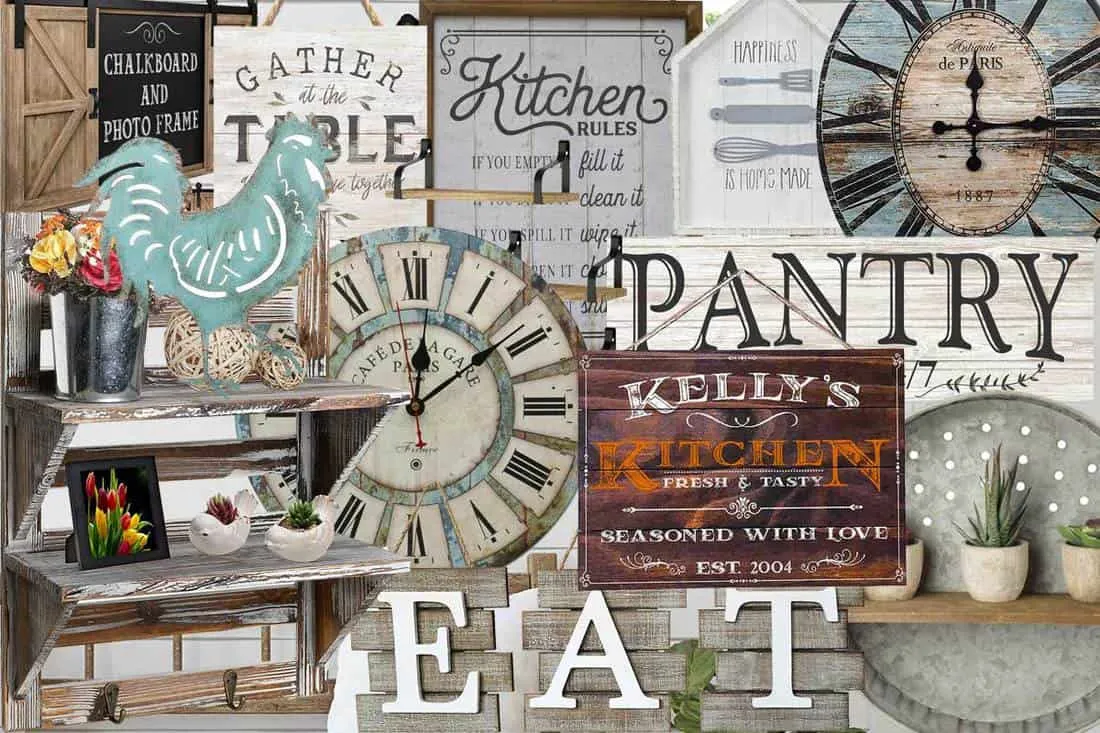
What is Rustic Kitchen Decor
Rustic kitchen decor is a design style that embraces natural, aged, and textured elements to create a warm, inviting, and comfortable space. It’s about bringing the charm of the countryside into your home, evoking feelings of nostalgia, simplicity, and authenticity. This style often features materials like wood, stone, and metal, with a focus on functionality and a lived-in look. The goal is to create a kitchen that feels less like a sterile, modern space and more like a welcoming heart of the home, where family and friends can gather and feel at ease. The aesthetic leans toward imperfection, celebrating the beauty of natural wear and tear, and the character that comes with age. It is the antithesis of sleek, minimalist design, embracing instead a sense of history, craftsmanship, and the enduring appeal of the past.
The Appeal of Rustic Kitchens
The enduring appeal of rustic kitchens lies in their ability to create a sense of comfort, warmth, and timelessness. In a world dominated by fast-paced technology and ever-changing trends, rustic kitchens offer a sanctuary of calm and a connection to simpler times. They evoke feelings of nostalgia and a longing for the authenticity of the past, reminding us of the beauty in imperfection and the value of handcrafted goods. This design style is inherently welcoming, encouraging social interaction and a relaxed atmosphere. The use of natural materials and earthy tones fosters a sense of connection to nature, providing a refreshing escape from the often-sterile environments of modern living. Moreover, a rustic kitchen often tells a story, with its weathered finishes and unique details, creating a space that feels personal and full of character.
Key Elements of Rustic Design

Several key elements define the rustic design aesthetic, helping to create its distinctive character. Firstly, the use of natural materials is paramount; think reclaimed wood for cabinets, exposed beams, and flooring, or stone for countertops and backsplashes. Secondly, a warm, earthy color palette is essential, often incorporating neutral tones like beige, cream, and gray, along with accents of warmer hues like terracotta, olive green, or deep red. Thirdly, the emphasis on texture is critical, whether through rough-hewn wood, textured fabrics, or the uneven surfaces of stone and brick. Finally, vintage or antique accents and décor items add character and a sense of history. The overall goal is to create a space that feels lived-in, comfortable, and full of character, a place that celebrates the beauty of the imperfect and the enduring appeal of natural materials.
Wall Decor Ideas for Rustic Kitchens
Wall decor plays a crucial role in defining the rustic aesthetic of a kitchen. The right choices can enhance the overall ambiance, adding warmth, character, and a sense of history. From art prints and vintage signs to open shelving and plate racks, the possibilities are vast. The key is to select pieces that complement the existing elements of the kitchen, such as the cabinets, countertops, and flooring. The wall decor should tell a story, reflecting the personality and tastes of the homeowner, and contributing to the overall sense of comfort and coziness. It should feel authentic and not overly contrived, with a focus on items that feel genuine and have a sense of history or craftsmanship. A well-curated collection of wall decor can transform a basic kitchen into a truly special and inviting space.
Choosing the Right Color Palette
Selecting the right color palette is fundamental in creating a cohesive rustic kitchen design. The best palettes tend to be inspired by nature, utilizing warm, earthy tones that evoke a sense of comfort and serenity. Neutral colors like cream, beige, and light gray often serve as the foundation, providing a backdrop that allows the natural textures and materials to shine. Accent colors can be drawn from the surrounding environment, such as the muted greens of olive trees, the deep reds of terracotta, or the warm browns of wood. It’s important to avoid overly bright or saturated colors, as they can detract from the rustic aesthetic. Instead, opt for muted, weathered tones that give a sense of age and history. Consider using these colors on walls, cabinets, and decorative items to create a harmonious and inviting space.
Selecting Wall Art and Decorations

Choosing the right wall art and decorations is crucial in bringing the rustic kitchen design to life. Consider pieces that reflect the theme, such as vintage signs, antique mirrors, or artwork depicting rural scenes, food, or botanicals. Metal signs with witty sayings or vintage advertisements can add a touch of personality and character. Open shelving provides opportunities to display decorative items, such as pottery, mason jars, or cookbooks. The goal is to select pieces that feel authentic and tell a story, avoiding anything that seems overly modern or mass-produced. Aim for a curated look, where each item adds to the overall aesthetic, creating a space that feels both beautiful and functional, reflecting the owner’s personality and tastes.
Types of Wall Art
Several types of wall art can be incorporated into a rustic kitchen design. Canvas prints featuring landscapes, still lifes, or vintage-inspired graphics can add a focal point. Consider metal signs with rustic finishes, or wooden signs featuring quotes or designs. Mirrors, especially those with aged or distressed frames, can brighten the space and add a touch of elegance. Plate racks displaying vintage china or decorative plates are another classic choice, providing both visual interest and a practical storage solution. Other options include framed vintage photographs, botanical prints, or even repurposed architectural elements. The selection of wall art should be cohesive and aligned with the overall rustic theme, enhancing the kitchen’s character and creating a welcoming ambiance.
Tips for Placement and Arrangement
Effective placement and arrangement are essential to maximizing the impact of wall decor in a rustic kitchen. When hanging artwork, consider the scale of the pieces in relation to the wall space and the surrounding elements. Avoid overcrowding, and instead, create a balanced and visually appealing composition. Grouping similar items together, such as a collection of vintage signs or a gallery wall of botanical prints, can create a cohesive look. Pay attention to the height at which you hang artwork, ensuring that it is at eye level for most viewers. Consider the lighting in the kitchen, and arrange artwork to avoid glare or shadows. Regularly rearrange the arrangement to maintain a fresh, updated look. The goal is to create a visually interesting and harmonious space.
Incorporating Natural Materials

Incorporating natural materials is a cornerstone of rustic kitchen design. The use of wood, stone, and other organic elements creates a sense of warmth and connection to the outdoors. Consider exposed wooden beams, reclaimed wood for cabinets, and stone or brick backsplashes. Wooden elements can be incorporated through open shelving, butcher block countertops, and decorative items like cutting boards and serving utensils. Stone and brick add texture and a sense of permanence, while natural textiles like linen and cotton can soften the space and add warmth. The key is to embrace the imperfections and variations that come with natural materials, celebrating their unique character and creating a space that feels authentic and inviting.
Wooden Elements
Wooden elements are integral to the rustic kitchen aesthetic. Reclaimed wood, with its unique grain and imperfections, is a particularly popular choice for cabinets, flooring, and countertops. Consider the use of open shelving made from wood to display decorative items, cookbooks, and tableware. Wooden cutting boards, serving utensils, and bowls add warmth and texture to the space. The type of wood used can vary; oak, maple, and pine are common choices, each offering a different character and visual appeal. The finish of the wood can range from a natural, unfinished look to a weathered, distressed appearance, depending on the overall design preference. The goal is to create a space that feels grounded and connected to nature, emphasizing the beauty of wood’s natural variations.
Stone and Brick Accents
Stone and brick accents are essential for adding a touch of rustic charm to your kitchen. A stone backsplash can be a striking focal point, while a brick accent wall can create a sense of history and texture. Consider the use of natural stone for countertops, such as granite or soapstone, which offer durability and a unique visual appeal. Even the use of stone or brick in decorative items, such as planters or trivets, can contribute to the overall aesthetic. These materials bring a sense of permanence and connection to the earth, enhancing the kitchen’s rustic character. The variations in color and texture inherent in stone and brick add visual interest and help to create a space that feels both inviting and enduring.
Textiles and Fabrics

Textiles and fabrics can soften the space and add warmth and character to a rustic kitchen. Consider using natural materials like linen, cotton, and burlap for window treatments, table linens, and kitchen towels. These fabrics offer a soft, inviting texture and complement the natural elements of the design. Choose patterns and colors that align with the rustic theme, such as stripes, checks, or floral prints in muted tones. The use of throw pillows and cushions on benches or seating areas can add a touch of comfort and personality. A carefully selected collection of textiles and fabrics can transform a kitchen, creating a space that feels both beautiful and functional, encouraging relaxation and connection.
Creating a Cozy and Inviting Atmosphere
Creating a cozy and inviting atmosphere is at the heart of rustic kitchen design. The aim is to transform the space into a welcoming haven where family and friends can gather and feel at ease. This can be achieved through the use of warm lighting, comfortable seating, and the incorporation of personal touches. Layering different textures and materials, such as wood, stone, and textiles, can add depth and visual interest. A well-curated collection of decorative items, such as vintage signs, antique mirrors, and artwork, can enhance the kitchen’s character and tell a story. The goal is to create a space that feels lived-in and loved, reflecting the personality and tastes of the homeowner and encouraging a sense of comfort and relaxation.
Lighting and Ambiance
Lighting plays a crucial role in creating a cozy and inviting atmosphere in a rustic kitchen. The choice of lighting fixtures and the quality of light can significantly impact the overall ambiance. Consider using warm, ambient lighting to create a welcoming feel, such as pendant lights over the island, sconces on the walls, and dimmer switches to control the intensity of the light. Avoid harsh, overly bright lighting, and instead, opt for softer options that cast a warm glow. The use of natural light is also important; maximize the amount of sunlight by using sheer curtains or blinds. Choose lighting fixtures that complement the rustic aesthetic, such as wrought iron chandeliers or vintage-inspired pendants, to enhance the kitchen’s character and create a comfortable space.
Adding Personal Touches

Adding personal touches is essential to making a rustic kitchen feel truly unique and inviting. Display items that reflect your interests and personality, such as family photos, artwork, or collections of vintage items. Consider incorporating handmade or handcrafted elements to add a sense of authenticity and character. Vintage signs with meaningful quotes or phrases can add personality to the walls. Open shelving provides opportunities to display decorative items, such as pottery, cookbooks, or family heirlooms. The goal is to create a space that feels lived-in and loved, reflecting your individual style and creating a welcoming haven for family and friends. By infusing your kitchen with personal touches, you can transform it into a space that is not only beautiful but also meaningful.