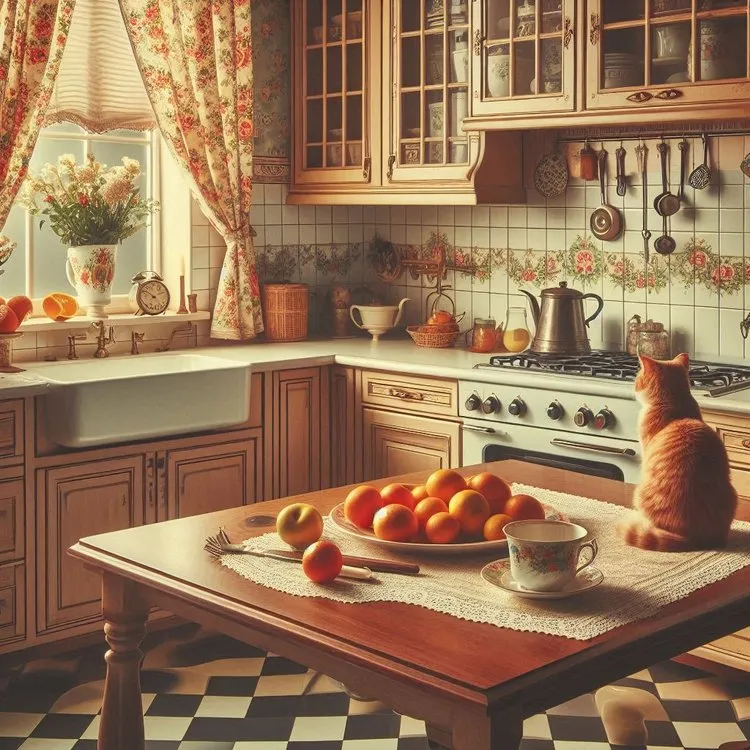
What Defines Retro Kitchen Decor?
Retro kitchen decor evokes a sense of nostalgia, transporting us back to the mid-20th century with its vibrant colors, bold patterns, and playful designs. It’s more than just a style it’s a celebration of a bygone era, characterized by its distinctive aesthetic and commitment to functionality. Retro kitchens are all about creating a warm, inviting atmosphere, often featuring bright hues, geometric shapes, and iconic appliances. The style draws inspiration from the 1950s, 60s, and 70s, offering a unique blend of charm and personality. When it comes to creating a retro kitchen, the key is to embrace the spirit of the times, incorporating elements that capture the essence of the era while ensuring a functional and comfortable space. This can include everything from the color palette to the types of appliances and accessories chosen.
Key Elements of Retro Style
Several key elements define the retro style, which can be easily incorporated into your kitchen design. One of the most important aspects is the use of color. Think bold and bright hues, such as turquoise, cherry red, sunny yellow, and avocado green, are common in retro kitchens, often used in combination to create a visually appealing space. Geometric patterns, such as polka dots, checks, and atomic designs, also play a significant role, adding a touch of playfulness and character. Appliances are another essential element of retro style. Vintage-inspired refrigerators, stoves, and toasters, often in vibrant colors, can instantly transform a kitchen into a retro haven. Furthermore, the choice of materials contributes significantly. Laminate countertops, Formica tables, and chrome accents are classic retro features. Remember to choose furniture with clean lines and consider using vintage-inspired dishware, cookware, and accessories to complete the look. These elements work together to create a cohesive and authentic retro kitchen.
Color Palette Choices for a Retro Kitchen

The color palette is perhaps the most defining feature of a retro kitchen. The choice of colors has a significant impact on the overall look and feel of the space. Bold, vibrant colors are a hallmark of the retro style. Consider incorporating colors like turquoise, which was a popular choice in the 1950s and 60s, to create a sense of brightness and energy. Cherry red, with its classic and timeless appeal, can be used to add warmth and personality to your kitchen design. Sunny yellow, a symbol of optimism and joy, can bring a cheerful vibe. Avocado green, although a somewhat controversial choice, is another color that is synonymous with the retro era, especially from the 1970s. When selecting colors, consider combining them to create a dynamic and visually stimulating space. For example, you could pair turquoise with cherry red or yellow with green, using these colors on walls, cabinets, and appliances to achieve the desired effect. A well-chosen color palette is essential for capturing the essence of retro design.
Vibrant Color Combinations
Experimenting with vibrant color combinations is key to achieving a true retro aesthetic. Popular pairings include turquoise and cherry red, which offer a striking contrast that is both eye-catching and energizing. Another classic combination is yellow and green, which create a sense of warmth and cheerfulness. Consider using these combinations in various ways, from painting cabinets and walls to selecting appliances and accessories. You could opt for turquoise cabinets with a cherry-red backsplash, or you could choose a sunny yellow wall with avocado-green countertops. When combining colors, consider the overall balance and harmony of your kitchen design. Ensure that the colors complement each other and create a cohesive and inviting space. Embrace the opportunity to be creative, as mixing and matching vibrant colors is a quintessential element of retro design. To keep things balanced, using one color as a dominant hue and another as an accent can be a great approach.
Pastel Palettes & Retro Charm
While bold colors are a defining characteristic of retro design, pastel palettes also offer a unique and charming aesthetic. Soft, muted tones like baby blue, pale pink, mint green, and creamy yellow can create a sense of tranquility and vintage appeal. Pastel kitchens evoke the charm and elegance of the 1950s, reflecting a sense of nostalgia and timeless beauty. When choosing a pastel palette, consider using a single color as the primary hue and incorporating complementary pastel shades as accents. For example, you might opt for baby-blue cabinets with pale-pink countertops, or you could create a mint-green wall with creamy-yellow accents. Pastels are an excellent option for smaller kitchens as these light and airy colors can make the space feel more open and spacious. Pastel kitchens can be both stylish and functional and offer a softer, more delicate take on the retro theme. It’s important to consider the lighting in your kitchen to best show off the pastel colors, as natural light is your best friend.
Where to Find Retro Kitchen Decor

Finding the right decor is essential for creating a retro kitchen. There are various places to source retro-style items, from online retailers to vintage shops and local markets. Start by exploring online retailers specializing in retro and vintage decor. Websites like Etsy, eBay, and specialized retro furniture stores offer a wide array of items, from appliances and furniture to accessories and textiles. Vintage shops and antique stores are great places to find authentic retro pieces. These stores often have a unique selection of items that can add character and personality to your kitchen. Local flea markets and estate sales are also excellent sources for vintage finds, as these events provide an opportunity to discover unique and affordable retro treasures. Don’t be afraid to mix and match, combining items from different sources to create a unique and personalized retro kitchen design. Remember to consider your budget and explore various options before making any purchases. You can often find hidden gems that perfectly fit your retro vision.
Online Retailers & Vintage Shops
Online retailers and vintage shops offer a wealth of options for sourcing retro kitchen decor. Numerous online retailers specialize in retro-style appliances, furniture, and accessories. These retailers often provide a convenient way to browse and purchase items from the comfort of your home. Vintage shops are another great source. These shops are known for their unique selection of vintage items, including furniture, dishware, and kitchen accessories. When shopping at vintage stores, take your time to explore and discover hidden gems that add character to your kitchen. Websites like Etsy and eBay host a wide selection of vintage items, offering you the opportunity to find rare and unique pieces. Before making a purchase, always research the seller and the item’s condition. Compare prices across different retailers and consider the shipping costs before making a final decision. Shopping online or at vintage stores allows you to explore different options and create a personalized retro kitchen design that reflects your style and preferences. Always check reviews and ensure the item’s condition matches the seller’s description.
DIY Retro Decor Projects
DIY projects are a fantastic way to infuse your kitchen with retro charm while expressing your creativity. Consider upcycling old furniture, such as vintage tables or chairs, by repainting them in bold, retro colors. You can also create custom artwork, such as geometric paintings or atomic-age-inspired designs, to adorn your kitchen walls. Making your own curtains, dish towels, and other textiles using retro patterns can also add a personal touch. DIY projects are an excellent way to customize your kitchen and create a unique space that reflects your personality. It also offers you the opportunity to save money by repurposing existing items. Consider refinishing old kitchen cabinets or creating a custom backsplash using colorful tiles. These DIY projects can also provide a creative outlet. By doing these projects yourself, you can ensure that your retro kitchen decor is truly one-of-a-kind. With a little imagination and effort, you can transform your kitchen into a stylish and personalized retro haven.
How to Incorporate Retro Appliances

Retro appliances are a quintessential element of retro kitchen design, offering a distinctive aesthetic and a touch of nostalgia. They come in a variety of styles, from vintage-inspired refrigerators and stoves to retro toasters and blenders. Choosing the right appliances can instantly transform your kitchen into a retro haven. When incorporating retro appliances, consider the color and style, which should complement the overall design of your kitchen. Many appliance manufacturers offer retro-style models in bold and vibrant colors, such as cherry red, turquoise, and sunny yellow. You can also find vintage appliances in good condition, but be sure to check their functionality and safety before purchasing. When selecting retro appliances, prioritize functionality and energy efficiency. While the aesthetics are important, ensure that the appliances meet your practical needs and are energy-efficient to help save money and reduce your environmental impact. Retro appliances add a unique touch of personality to your kitchen design and enhance the retro aesthetic.
Choosing the Right Appliances
Choosing the right retro appliances is essential for creating a cohesive and functional kitchen design. When selecting appliances, consider the size and style of your kitchen, as well as your personal needs and preferences. Vintage-inspired refrigerators are a popular choice, often featuring rounded edges, chrome accents, and vibrant colors. Stoves and ovens should reflect the retro style, possibly featuring unique burner designs and colorful finishes. Toasters and blenders are other options for incorporating retro charm. Select appliances that fit well in your kitchen layout. Make sure they are the right size and shape for your available space. When choosing the color of your appliances, consider the overall color scheme of your kitchen. You may choose to coordinate the appliances with the cabinets and walls or select a contrasting color to make a bold statement. In addition to the style and color, consider the energy efficiency of your appliances. Modern appliances are often more energy-efficient, saving money on utility bills and reducing your environmental footprint. When selecting retro appliances, prioritize both aesthetics and functionality to create a kitchen that is both stylish and practical.
Lighting Design for a Retro Kitchen
Lighting design is crucial in a retro kitchen as it can create the right atmosphere and enhance the overall aesthetic. Retro kitchens often feature distinctive lighting fixtures, such as pendant lights, track lighting, and under-cabinet lights. Pendant lights, with their vintage-inspired designs, add a touch of character and elegance. Track lighting, which was popular in the mid-20th century, can provide both ambient and task lighting. Under-cabinet lights can illuminate countertops and work surfaces. Consider the type of light bulbs you choose. Incandescent and halogen bulbs offer a warm, inviting glow. LED bulbs are also a good option, offering energy efficiency and a wide range of color temperatures. Lighting is not just about functionality but also about creating the right ambiance. Use dimmers to adjust the intensity of the light and create a warm and welcoming atmosphere. You can also incorporate decorative lighting elements, such as neon signs, to enhance the retro theme. Proper lighting can transform your kitchen into a stylish and inviting space, so consider all these aspects of your lighting design.
Accessorizing Your Retro Kitchen

Accessorizing your retro kitchen is the key to achieving the perfect look. Accessories add character and personality, creating a cohesive and authentic retro design. Incorporate vintage-inspired dishware, cookware, and utensils to complement the overall theme. Look for pieces with bold patterns, vibrant colors, and geometric designs. Consider displaying vintage canisters, teapots, and other items on open shelves or countertops. Add retro-themed artwork, such as posters or paintings, to your walls. Choose artwork with bold colors, abstract designs, and images that reflect the retro era. Decorate your kitchen with vintage clocks, radios, and other decorative items. You can find these items at vintage shops, flea markets, and online retailers. When accessorizing, consider the overall balance and harmony of your kitchen design. Choose accessories that complement the existing color scheme, appliances, and furniture. Avoid overcrowding your kitchen with too many items. A well-curated selection of accessories can make a significant impact, transforming your kitchen into a stylish and personalized retro haven.
Textiles & Patterns
Textiles and patterns play a significant role in retro kitchen decor, adding texture, color, and visual interest. Use retro-themed curtains, dish towels, and other textiles to complement the overall design. Look for fabrics with bold patterns, such as polka dots, checks, and floral prints. These patterns were very popular during the mid-20th century. The colors of the textiles can further enhance the retro aesthetic. Choose colors that complement your overall color scheme, such as turquoise, cherry red, sunny yellow, and avocado green. Consider the texture and material of the textiles. Fabrics like cotton, linen, and vinyl were commonly used in retro kitchens. Use patterned tablecloths, placemats, and chair cushions to add personality and style. You can also create a focal point by hanging a retro-inspired rug or placing throw pillows on your kitchen seating. When selecting textiles and patterns, consider the size and scale of the patterns in relation to your space. Choose patterns that work well together and create a cohesive and visually appealing design. Textiles are a great way to add color and personality. They are also an affordable way to experiment with new patterns and textures.
Creating a Cohesive Retro Look
Creating a cohesive retro look requires careful planning and attention to detail. The aim is to seamlessly blend all the elements into a unified and visually appealing space. First, establish a consistent color palette, choosing colors that reflect the retro era and complement each other. Coordinate the colors of your cabinets, appliances, and walls. Ensure that your lighting design is consistent with the retro theme. Select lighting fixtures that reflect the era and provide ample lighting. Incorporate vintage-inspired furniture with clean lines and retro-style accents. Use retro appliances that align with the overall design. Add appropriate accessories, such as vintage dishware, cookware, and artwork. Consider using textiles and patterns that enhance the retro aesthetic, such as polka dots, checks, and floral prints. Ensure a sense of balance and harmony. Avoid overcrowding your kitchen with too many items. A well-curated selection of furniture, appliances, accessories, textiles, and patterns can transform your kitchen into a stylish and functional retro haven. By carefully coordinating the colors, patterns, and furnishings, you can create a truly unique and personalized retro kitchen.