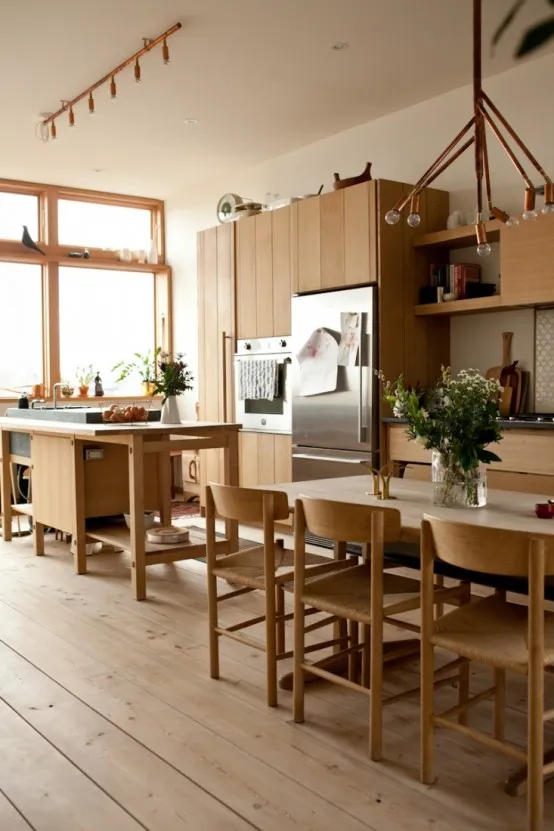
Embracing the Essence of Norwegian Kitchen Decor
Norwegian kitchen decor is more than just a style; it’s a philosophy of living. It emphasizes simplicity, functionality, and a deep connection with nature. This design aesthetic prioritizes natural materials, a warm and inviting atmosphere, and a sense of coziness known as ‘koselig’. In a Norwegian kitchen, every element serves a purpose, and the overall design fosters a sense of calm and well-being. The key to achieving this look lies in balancing functionality with aesthetics, creating a space that is both practical and beautiful. This article delves into the top 7 design ideas to help you create a stunning Norwegian kitchen.
The Importance of Natural Light
One of the defining features of Norwegian kitchen decor is the emphasis on natural light. Given the long, dark winters in Norway, maximizing sunlight is crucial for creating a bright and cheerful space. Large windows, strategically placed mirrors, and light-colored walls all contribute to this effect. The goal is to create a space that feels open, airy, and connected to the outdoors, even when the weather is less than ideal. The use of natural light not only enhances the aesthetic appeal of the kitchen but also boosts mood and energy levels. Allowing sunlight to flood the kitchen is paramount to capturing the essence of Norwegian design and is the first step in creating a space that feels both inviting and invigorating.
Maximizing Sunlight in Your Kitchen

To maximize sunlight, consider several design choices. Opt for large windows, especially if your kitchen faces south or east. If privacy is a concern, use sheer curtains or blinds that allow light to filter through while maintaining some level of seclusion. Paint walls in light, reflective colors such as white, cream, or pale gray to bounce light around the room. Mirrors can also be strategically placed to reflect sunlight and create the illusion of a larger, brighter space. Additionally, keep windows clean and free of obstructions to ensure that as much natural light as possible enters your kitchen. Natural light is not only beautiful but also makes the space feel more open and inviting.
Choosing the Right Window Treatments
Window treatments play a critical role in managing light and adding to the overall aesthetic. Choose light-colored, sheer curtains to gently filter sunlight while maintaining privacy. Avoid heavy, dark drapes that can block out light and make the kitchen feel smaller. Roman shades or blinds made from natural materials like bamboo or wood are also excellent options, offering a balance of light control and visual appeal. The goal is to find window treatments that complement the overall design of the kitchen while allowing as much natural light as possible to enter the space. Consider the function of the window, its location, and the amount of privacy you require when making your selection.
Incorporating Wood Elements
Wood is a cornerstone of Norwegian kitchen decor, embodying the connection with nature that is so central to the style. The use of wood adds warmth, texture, and a sense of natural beauty to the space. From cabinets and countertops to flooring and decorative accents, wood is used extensively in Norwegian kitchens. The choice of wood species and finish can greatly influence the overall look and feel of the kitchen, creating a space that is both inviting and visually appealing. Using wood as a key element in the design is essential for capturing the authenticity of Norwegian design.
Selecting the Perfect Wooden Finishes

When selecting wooden finishes, consider the type of wood and the desired effect. Light-colored woods like pine, birch, and ash are popular choices, as they reflect light and contribute to a bright, airy feel. These woods can be left natural, stained in a lighter hue, or treated with a clear sealant to preserve their natural beauty. For a more rustic look, consider reclaimed wood or wood with a slightly weathered appearance. Avoid dark stains that can make the kitchen feel smaller and less inviting. The key is to choose finishes that complement the overall color palette and create a harmonious balance within the space. The wood finish should enhance the beauty of the grain and contribute to the overall sense of warmth.
The Charm of Wooden Countertops
Wooden countertops are a classic feature of Norwegian kitchen design, adding warmth and character to the space. They provide a beautiful contrast to other elements in the kitchen, such as white cabinets or stainless steel appliances. Choose a durable wood, such as oak or maple, and ensure it’s properly sealed to protect against water damage and stains. Wooden countertops require regular maintenance, including oiling or sealing, to keep them looking their best. Despite the maintenance, the beauty and warmth that wooden countertops bring to a kitchen are well worth the effort. They create a welcoming workspace and add an element of natural elegance to the design.
Color Palette Exploration
The color palette of a Norwegian kitchen is typically soft, natural, and inspired by the Scandinavian landscape. The goal is to create a space that feels calm, serene, and connected to nature. Neutral colors such as white, cream, and light gray form the base of the palette, providing a bright and airy backdrop. These colors are often accented with touches of natural wood, creating a harmonious balance. The color palette should create a sense of openness and tranquility, reflecting the beauty of the Norwegian countryside. The colours used should complement the natural light and create a cohesive and inviting design.
Essential Colors for a Norwegian Kitchen

Essential colors for a Norwegian kitchen include white, off-white, and light gray for the walls and cabinets. These colors reflect light and create a sense of spaciousness. Accent colors can be drawn from nature, such as soft blues, greens, and browns, to evoke the colors of the sea, forests, and earth. Avoid overly bright or saturated colors, as they can disrupt the sense of calm. Consider incorporating natural colors in the textiles and accessories to add subtle pops of color. It’s essential to use colours that evoke a sense of calm and serenity. These colours should create an inviting space where one can relax and enjoy.
Using Color to Create a Warm Atmosphere
Color is a powerful tool for creating a warm and inviting atmosphere. While neutral colors form the base of the Norwegian kitchen palette, strategic use of accent colors can enhance the warmth and coziness of the space. Use warm wood tones, soft blues and greens, and earthy browns to add subtle pops of color. Textiles, such as rugs, curtains, and cushions, can also be used to introduce color and texture. Consider using a combination of colors that enhance the natural light and create a welcoming environment. This will ensure the kitchen feels both stylish and inviting.
Highlighting Functionality and Storage
Functionality is key in Norwegian kitchen design. Every element in the kitchen should serve a purpose, and smart storage solutions are essential for keeping the space organized and clutter-free. The design emphasizes simplicity and efficiency, creating a kitchen that is both beautiful and practical. The focus is on creating a workspace that is both easy to use and enjoyable to spend time in. This emphasis on functionality ensures that the kitchen is a comfortable and efficient space, reducing stress and increasing enjoyment.
Smart Storage Solutions

In a Norwegian kitchen, storage is often hidden to maintain a clean and uncluttered look. Consider using cabinets with pull-out drawers, shelves, and organizers to maximize storage space. Open shelving can be used to display frequently used items or decorative accents, adding visual interest to the space. Utilize vertical space by installing tall cabinets or shelves. Ensure that everything has its place and is easily accessible. Storage solutions should be integrated seamlessly into the design, contributing to the overall sense of order and efficiency. Smart storage helps to maintain an organized and functional kitchen.
Optimizing Kitchen Space
Optimize kitchen space by considering the layout and flow of the room. Ensure there is adequate counter space for food preparation and cooking. Designate specific zones for different tasks, such as food prep, cooking, and washing. Use space-saving appliances and fixtures. Consider a kitchen island for added workspace and storage. Creating an efficient and well-organized kitchen is essential. It maximizes functionality and creates a comfortable and enjoyable space. The aim is to create a streamlined and user-friendly kitchen environment.
Incorporating Textiles
Textiles play a significant role in Norwegian kitchen decor, adding warmth, texture, and a sense of coziness. Choose natural fabrics like linen, cotton, and wool to complement the natural materials used throughout the space. Textiles can be used in a variety of ways, from curtains and rugs to dish towels and cushions. The choice of textiles can influence the overall design and feel of the kitchen, creating a space that is both inviting and comfortable. Textures and patterns add visual interest to the design.
Choosing the Right Textiles

When selecting textiles, consider the color palette and the desired effect. Choose neutral-colored textiles for a minimalist look, or incorporate patterns and textures to add visual interest. Linen curtains offer a soft, airy feel while wool rugs add warmth and comfort. Opt for durable, easy-to-care-for fabrics that can withstand the rigors of a kitchen environment. Choose textiles that complement the overall design of the kitchen and create a cohesive and inviting space. Fabrics should add to both the visual and tactile appeal of the design.
Textiles for Comfort and Design
Use textiles to enhance comfort and add to the overall design. Place a soft rug underfoot to add warmth and comfort, and use cushions on chairs or benches for a cozy touch. Dish towels and aprons can be used to introduce color and pattern. Consider using textiles with natural, earthy tones to complement the rest of the decor. The right textiles can make a significant difference in the overall comfort and ambiance of the kitchen. The textures and colours should work together to create an inviting and relaxing space.
Adding Rustic Accents
Rustic accents add a touch of charm and character to a Norwegian kitchen, complementing the simplicity and functionality of the design. Incorporate vintage elements, such as antique kitchen utensils, wooden bowls, and enamelware, to add personality and a sense of history. Rustic accents should be carefully selected to create a cohesive and inviting space. These touches enhance the overall design and contribute to the warm and welcoming atmosphere.
Rustic Elements in a Modern Kitchen

Even in a modern Norwegian kitchen, rustic elements can add warmth and personality. Consider using a farmhouse sink, open shelving made of reclaimed wood, or a vintage-style range hood. Incorporate rustic accessories, such as wooden cutting boards, antique scales, and copper pots. Choose items that blend seamlessly with the overall design, creating a harmonious balance between modern and rustic styles. The key is to add a sense of character and history without overwhelming the space.
Combining Rustic and Modern Styles
Combining rustic and modern styles is a hallmark of Norwegian kitchen design. The goal is to create a space that feels both contemporary and timeless. Balance sleek, modern cabinetry with rustic elements like wooden countertops and vintage accessories. Mix and match materials, such as stainless steel appliances and reclaimed wood shelving. The combination of rustic and modern styles is both stylish and welcoming. Combining these elements creates a unique and personalized space.
The Role of Lighting
Lighting is crucial in a Norwegian kitchen, enhancing both functionality and ambiance. In addition to maximizing natural light, consider incorporating a variety of lighting fixtures to create a warm and inviting space. The right lighting can dramatically improve the mood and usability of the kitchen. Layering different types of lighting allows you to customize the atmosphere and create a comfortable and functional space. Choosing the correct lighting options is critical for creating a kitchen that meets all of your needs.
Choosing the Right Lighting Fixtures

Choose lighting fixtures that complement the overall design of the kitchen. Pendant lights over the island or countertop provide task lighting while adding a touch of style. Recessed lighting can provide general illumination, and sconces can add ambient light and visual interest. Consider using fixtures made of natural materials, such as wood or metal, to enhance the rustic charm of the space. Choose energy-efficient light bulbs to save on energy costs. The lighting fixtures you select should not only illuminate the space but also add to its aesthetic appeal.
Layering Lighting for a Cozy Ambiance
Layering different types of lighting creates a warm and inviting ambiance. Combine task lighting, ambient lighting, and accent lighting to create a well-lit space. Use dimmer switches to control the intensity of the light and adjust the mood. The use of different lighting types allows you to customize the atmosphere and create a cozy environment. This approach ensures the kitchen is both functional and visually appealing, creating a space that is perfect for cooking, dining, and socializing.
Conclusion
Creating a Norwegian kitchen is about more than just following design trends; it’s about embracing a lifestyle that prioritizes simplicity, functionality, and a deep connection with nature. By incorporating natural light, wood elements, a calming color palette, smart storage, cozy textiles, rustic accents, and the right lighting, you can transform your kitchen into a warm, inviting, and efficient space. Embrace the principles of ‘koselig’ and create a kitchen that reflects your appreciation for beauty, comfort, and the simple pleasures of life. By implementing these design ideas, you can create a stunning and functional Norwegian kitchen that will become the heart of your home. Your kitchen will be a space where you can relax, recharge, and enjoy the beauty of Scandinavian design.