Choosing the Right Night Kitchen Decor
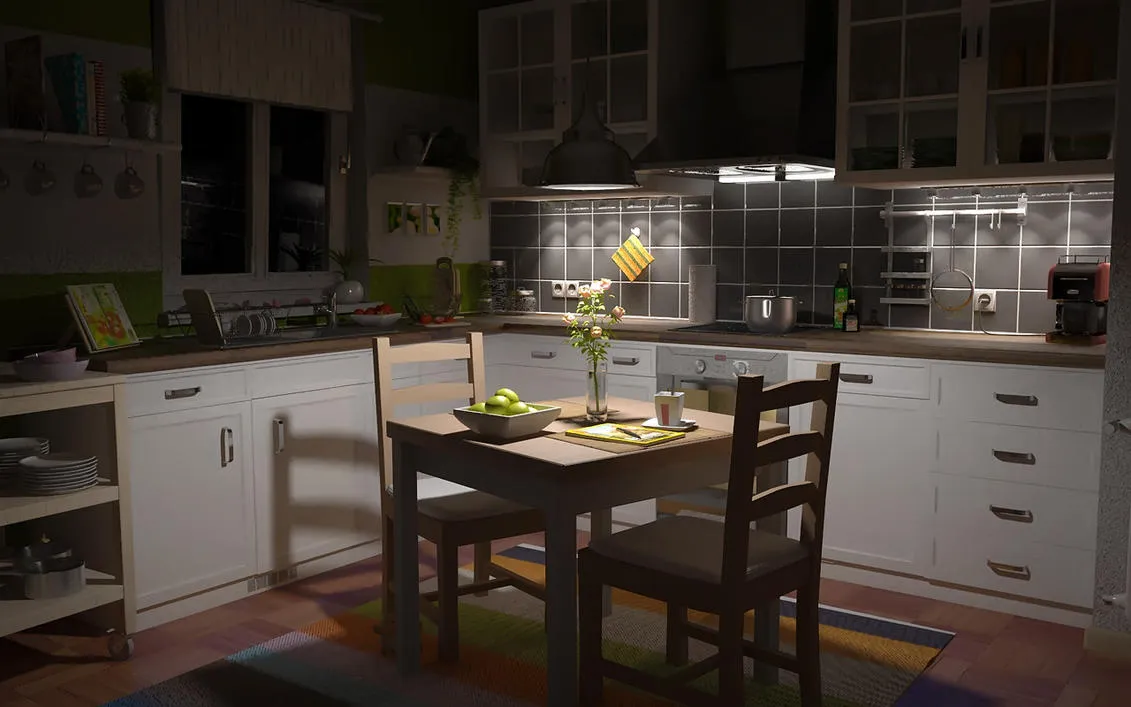
Creating a captivating night kitchen involves more than just dimming the lights. It’s about curating an atmosphere that invites relaxation, conversation, and a sense of warmth. The choices you make, from lighting to textiles, all play a crucial role in transforming your kitchen into a cozy haven. Consider your existing kitchen layout, color scheme, and the overall style you want to achieve. Do you envision a rustic retreat, a modern minimalist space, or a bohemian sanctuary? Your answers will guide your design decisions. Think about the functionality of the space during the evening hours. Do you frequently entertain guests, or is it primarily a space for intimate dinners and quiet reflection? Tailoring your decor to your specific needs will ensure that your night kitchen is both beautiful and practical.
The Importance of Lighting in Night Kitchens
Lighting is the cornerstone of a successful night kitchen. It sets the mood, enhances the ambiance, and dictates how you experience the space. Harsh overhead lights can instantly kill the vibe, so consider layering different types of lighting to create a balanced and inviting atmosphere. Think about incorporating a combination of ambient, task, and accent lighting to achieve the desired effect. Ambient lighting provides overall illumination, task lighting helps with specific activities like food preparation, and accent lighting highlights architectural features or decorative elements. The key is to use lighting strategically to create depth, dimension, and a sense of intimacy. Experiment with different light sources, such as pendant lights, sconces, and under-cabinet lighting, to find the perfect balance for your night kitchen.
Warm and Inviting Lighting Options

When it comes to choosing light bulbs, opt for warm-toned bulbs with a low color temperature (around 2700K). These bulbs emit a soft, golden glow that mimics the warmth of candlelight and creates a cozy and welcoming atmosphere. Avoid cool-toned bulbs, which can make the space feel sterile and uninviting. Consider using dimmable lights, which allow you to adjust the brightness and create different moods as needed. Pendant lights over an island or dining table can provide both task and ambient lighting. Sconces mounted on the walls can add a touch of elegance and create a soft, diffused light. Under-cabinet lighting is perfect for illuminating countertops and adding a subtle glow to the space.
Ambient Lighting for a Relaxing Atmosphere
Ambient lighting is all about creating a sense of relaxation and tranquility. This can be achieved through a variety of lighting options. Recessed lights with dimmers can provide a soft, overall glow. String lights draped across a window or along a countertop add a touch of whimsy and warmth. Table lamps on a nearby console or counter can provide a softer alternative to overhead lighting. Candles, whether real or battery-operated, are a classic way to create a romantic and intimate atmosphere. The goal is to create a gentle and diffused light that doesn’t strain the eyes and encourages a sense of calm and relaxation. Experiment with different light sources and placements to find the perfect balance for your space.
Task Lighting for Functionality
While ambient lighting sets the mood, task lighting ensures that your kitchen remains functional during the evening hours. Under-cabinet lighting is essential for illuminating countertops and providing focused light for food preparation. Consider installing adjustable spotlights above the stovetop or sink for added visibility. Pendant lights over an island or dining table can also serve as task lighting, providing both functionality and visual appeal. Make sure that the task lighting is bright enough to perform the necessary tasks but doesn’t overpower the ambient lighting. The goal is to create a balanced lighting scheme that seamlessly blends functionality with ambiance.
Adding Texture and Color with Textiles

Textiles can add a significant amount of warmth, texture, and color to your night kitchen. Consider incorporating soft, plush materials like velvet, linen, or wool to create a cozy and inviting atmosphere. Throw pillows and blankets in warm, earthy tones can add visual interest and make the space feel more comfortable. Curtains or blinds can help to soften the light and create a sense of privacy. A patterned rug can anchor the space and add a pop of color and texture. The key is to choose textiles that complement your existing color scheme and create a cohesive and inviting look. Don’t be afraid to experiment with different textures and patterns to add depth and personality to your space.
Choosing the Right Color Palette for Night Kitchens
Color plays a crucial role in setting the mood of your night kitchen. Opt for a color palette that evokes feelings of warmth, relaxation, and comfort. Warm, earthy tones like deep reds, browns, and oranges can create a sense of intimacy and coziness. Muted greens and blues can add a touch of tranquility and serenity. Consider using darker colors on the walls to create a dramatic and sophisticated look. However, if your kitchen is small, lighter colors can make the space feel more open and airy. Experiment with different color combinations to find the perfect balance for your space. Remember that lighting can significantly affect how colors appear, so test your paint colors in the evening to ensure that you like the way they look under the artificial light.
Incorporating Natural Elements
Bringing the outdoors in can instantly enhance the ambiance of your night kitchen. Natural elements add a sense of freshness, tranquility, and connection to nature. Consider incorporating plants, wood accents, and natural stone elements to create a more organic and inviting space. Plants are a great way to add color and life to your kitchen. Choose plants that thrive in low-light conditions, such as snake plants, ZZ plants, or peace lilies. Wood accents, such as a wooden cutting board, serving bowls, or a butcher block countertop, can add warmth and texture. Natural stone elements, such as a granite or marble countertop, can create a sense of luxury and sophistication. The goal is to create a space that feels connected to nature and promotes a sense of well-being.
Using Plants to Enhance the Ambiance

Plants can transform your kitchen into a vibrant and inviting space. They add color, texture, and a touch of nature to the environment. Choose plants that are easy to care for and thrive in low-light conditions. Snake plants, ZZ plants, and peace lilies are all excellent choices for night kitchens. Place plants on countertops, shelves, or hanging baskets to add visual interest. Consider using different types of plants to create a variety of textures and colors. Herbs, such as basil, mint, and rosemary, can also add a pleasant aroma to the kitchen. Remember to water your plants regularly and provide them with the appropriate amount of sunlight to keep them healthy and thriving.
Decorating with Candles and Lanterns
Candles and lanterns are classic elements that can instantly create a warm and romantic atmosphere in your night kitchen. Candles provide a soft, flickering light that is both inviting and relaxing. Choose candles in different sizes and shapes to add visual interest. Scented candles can also add a pleasant aroma to the space. Lanterns can be used to create a cozy and intimate setting. Place lanterns on countertops, shelves, or the floor to add a touch of elegance. Battery-operated candles and lanterns are a safe and convenient option for those who prefer not to use real candles. The warm glow of candles and lanterns can transform your kitchen into a haven of tranquility.
Accessorizing Your Night Kitchen
Accessories are the finishing touches that can elevate your night kitchen design and add personality to the space. Choose decorative items that complement your overall style and create a cohesive look. Consider using decorative bowls, trays, and canisters to add visual interest and functionality. A vase of fresh flowers or a bowl of fruit can add a touch of color and freshness. Artwork, such as paintings or prints, can add personality and create a focal point. Don’t be afraid to experiment with different textures, patterns, and colors to create a unique and inviting space. The goal is to choose accessories that reflect your personal style and make your night kitchen feel like a true reflection of yourself.
Choosing Decorative Items that Complement Your Style
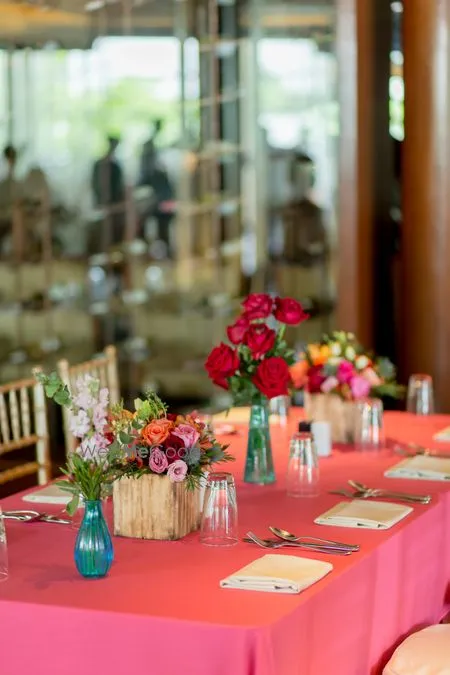
When selecting decorative items, consider your overall style and choose pieces that complement your existing decor. If you have a modern kitchen, opt for sleek and minimalist accessories. If you have a rustic kitchen, choose items with natural textures and warm colors. If you have a bohemian kitchen, choose items with intricate patterns and vibrant colors. Don’t be afraid to mix and match different styles to create a unique and personalized look. The goal is to create a space that feels cohesive and reflects your personal style. Choose items that you love and that make you feel happy and comfortable.
Maximizing the Space in Small Night Kitchens
If you have a small night kitchen, it’s essential to make the most of the available space. Choose furniture and accessories that are proportionally sized and don’t overwhelm the room. Use vertical space by installing shelves or cabinets to store items. Consider using multifunctional furniture, such as a kitchen island with built-in storage or a table that can be used for both dining and food preparation. Opt for light-colored walls and flooring to make the space feel more open and airy. Mirrors can also be used to reflect light and create the illusion of more space. The goal is to create a functional and stylish kitchen, even in a small space.
Optimizing Lighting in Small Kitchens
Lighting is especially important in small kitchens. Use a combination of ambient, task, and accent lighting to create a well-lit and inviting space. Recessed lights with dimmers can provide overall illumination. Under-cabinet lighting is essential for illuminating countertops. Pendant lights over an island or dining table can add visual interest and provide task lighting. Mirrors can also be used to reflect light and make the space feel brighter. Choose light bulbs with a warm color temperature to create a cozy and inviting atmosphere. The goal is to create a lighting scheme that maximizes the available light and makes the space feel open and airy.
Creating a Welcoming Night Kitchen

Ultimately, creating a welcoming night kitchen is about designing a space that you love and that meets your specific needs. Consider your lifestyle, your personal style, and the overall mood you want to achieve. Choose elements that make you feel comfortable, relaxed, and happy. Don’t be afraid to experiment with different design ideas and personalize your space. The most important thing is to create a kitchen that feels like a true reflection of yourself and that invites you to enjoy the evening hours. With careful planning and thoughtful design choices, you can transform your kitchen into a cozy and inviting haven that you’ll love to spend time in.