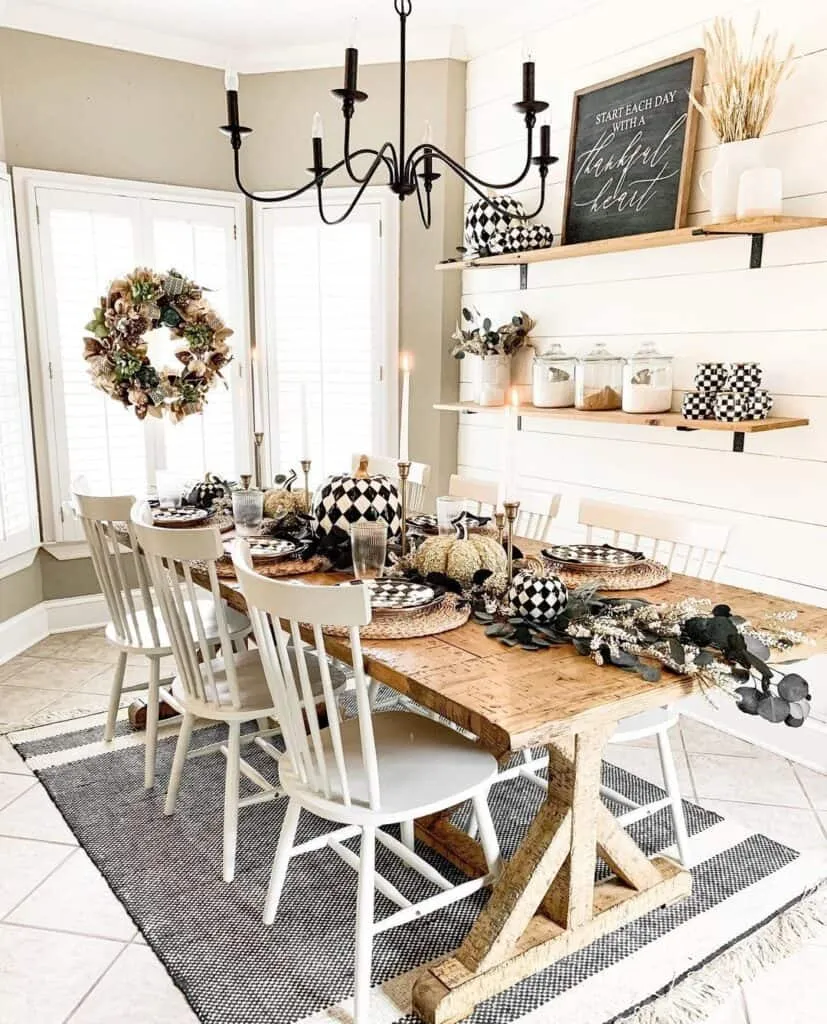
The kitchen is often the heart of the home, a place for gathering, cooking, and sharing meals. The wood table, a staple in many kitchens, offers warmth, durability, and a natural aesthetic. But a wood table is not just a functional surface; it’s a canvas for expressing your style. This guide will walk you through the process of choosing, decorating, and maintaining your kitchen wood table, transforming it into a focal point that reflects your personality and enhances your kitchen’s overall ambiance.
Choosing the Perfect Wood Table for Your Kitchen
Selecting the right wood table is the first step in creating a stylish and functional kitchen space. Consider the size, shape, and wood type to ensure your new table complements your kitchen’s design and meets your needs. Thoughtful choices during this initial phase will lay the foundation for a beautiful and inviting kitchen environment.
Size and Shape Considerations
The size and shape of your wood table are crucial for both aesthetics and functionality. A table that’s too large can overwhelm the space, while one that’s too small may not accommodate your needs. Consider the number of people you regularly seat and the amount of space you have available.
Measuring Your Space

Before purchasing a table, measure your kitchen carefully. Ensure there’s enough room for people to move around the table comfortably. As a general guide, allow at least 3 feet of clearance around the table. Sketching out your kitchen layout can help visualize the space and determine the best table size and shape. A round table encourages conversation, while a rectangular table often maximizes seating in a long, narrow kitchen.
Selecting the Right Wood Type
The type of wood you choose greatly influences the table’s appearance, durability, and cost. Each wood species has unique characteristics that will affect how it looks and performs in your kitchen environment. Consider your lifestyle and the level of maintenance you’re willing to undertake when making your decision.
Hardwood vs. Softwood
Hardwoods, like oak, maple, and walnut, are known for their density and durability, making them excellent choices for kitchen tables. They are resistant to scratches and dents, but tend to be more expensive. Softwoods, such as pine and fir, are generally more affordable, but they are more susceptible to damage. They may be a good choice if you prefer a rustic look, but require more careful maintenance.
Factors to Consider

Think about the overall style of your kitchen. Do you prefer a traditional, modern, or rustic look? The wood’s grain, color, and finish will all impact the table’s visual appeal. Also, consider the level of use your table will receive. If you have children or frequently host gatherings, opt for a durable hardwood with a protective finish.
Decorating Your Wood Kitchen Table
Once you have your wood table, it’s time to decorate! Table decor allows you to express your personality and add warmth and character to your kitchen. Whether you prefer a minimalist approach or a more elaborate setup, the right decor can transform your table into a beautiful and inviting space.
Choosing the Right Tablecloths
Tablecloths are a great way to instantly change the look of your table. They provide a protective layer and add color and texture. Consider the occasion, the season, and your personal style when selecting a tablecloth. For everyday use, choose durable, easy-to-clean materials like cotton or linen blends. For formal occasions, consider elegant fabrics like silk or damask.
Material and Color Options

The material of your tablecloth should complement your kitchen decor. Linen offers a relaxed, natural feel, while cotton is a practical choice for everyday use. Experiment with different colors and patterns to create a specific mood. Neutral colors provide a versatile base, allowing you to change up the decor easily. Bold patterns can add a pop of personality, while solid colors offer a sophisticated touch.
Placemats and Runners
Placemats and table runners are excellent alternatives to tablecloths, providing a more casual and contemporary look. Placemats define individual place settings and protect the table surface. Table runners add a decorative touch down the center of the table. Choose materials and colors that coordinate with your existing kitchen decor.
Adding Centerpieces
Centerpieces are essential for completing your table decor. They add visual interest and create a focal point. The centerpiece should be proportional to the size of your table and should not obstruct the view of your guests. Think about the height, width, and overall design of the centerpiece when making your selection.
Types of Centerpieces

Consider the season and the overall style of your kitchen when selecting your centerpiece. Fresh flowers are a classic choice, adding color and fragrance. Candles create a warm and inviting atmosphere. A decorative bowl filled with fruit or seasonal items can add a touch of natural beauty. A simple, elegant centerpiece can make a big impact.
Seasonal Decorating Ideas
Changing your table decor with the seasons is a great way to keep your kitchen feeling fresh and inviting. Seasonal decorations allow you to celebrate holidays and reflect the changing atmosphere of the year. Simple changes can make a big difference, bringing the spirit of each season into your home.
Spring and Summer Table Decor
In spring and summer, embrace light and airy decor. Use pastel colors, floral patterns, and natural elements. A centerpiece of fresh flowers or a bowl of seasonal fruit is perfect. Choose light-colored tablecloths or placemats and consider adding some greenery, like small potted plants. Incorporate bright colors, floral prints and natural textures to give your kitchen a fresh new look. Consider linen or cotton fabrics in lighter shades such as soft blues, greens, and yellows.
Fall and Winter Table Decor

In fall and winter, create a cozy and warm atmosphere. Use rich colors, warm textures, and rustic elements. Think about incorporating candles, pumpkins, and autumn leaves in the fall. For winter, consider adding evergreens, pinecones, and metallic accents. Use warm, inviting colors and textures. A centerpiece of candles, pinecones or seasonal fruits would be a great choice.
Maintaining and Protecting Your Wood Table
Proper care and maintenance are essential to keeping your wood table looking its best. Regular cleaning and protection will extend its lifespan and preserve its beauty. Knowing the correct methods will prevent damage and allow you to enjoy your table for years to come.
Cleaning Tips for Wood Tables
Clean your wood table regularly to remove dust, spills, and grime. Avoid using harsh chemicals or abrasive cleaners, as they can damage the finish. Wipe spills immediately with a soft, damp cloth. For general cleaning, use a mild soap and water solution. Always dry the table thoroughly after cleaning to prevent water spots.
Protecting from Heat and Moisture

Protect your wood table from heat and moisture. Use placemats, trivets, and coasters to prevent water rings and heat damage. Avoid placing hot items directly on the table surface. If spills do occur, wipe them up immediately. Consider using a protective sealant or wax to further safeguard your table from damage. Regularly checking for wear and tear and addressing any issues promptly will ensure your table remains in excellent condition.
Conclusion
Decorating your wood kitchen table is a rewarding experience. By following these tips, you can create a beautiful and functional space that reflects your personal style. From choosing the right table to adding the perfect decorations and maintaining its appearance, the wood table can become the heart of your kitchen. Embrace creativity and make your kitchen a place where memories are made around a beautifully decorated wood table.