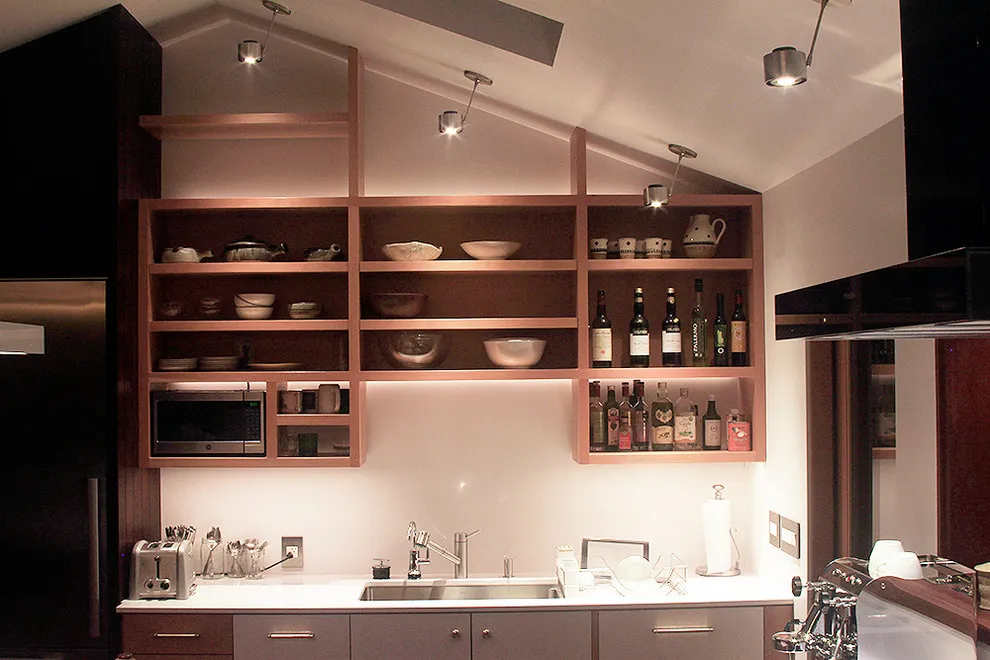
Choosing the Right Kitchen Decor Style
Transforming your kitchen into a space that reflects your personality and meets your practical needs starts with selecting the right decor style. The style you choose will influence everything from the color palette and materials to the layout and accessories. Consider your lifestyle, the overall aesthetic of your home, and the functionality you desire when making your decision. Are you drawn to sleek lines and minimalist designs, or do you prefer the warmth and charm of a more traditional look? Your choice will set the tone for the entire transformation, making your kitchen a place you love to cook, gather, and entertain.
Understanding Different Kitchen Design Styles
Understanding the nuances of different kitchen design styles is crucial for achieving the desired look and feel. Each style offers unique characteristics in terms of cabinetry, countertops, appliances, and decorative elements. Exploring these options will help you identify which best suits your taste and the existing architecture of your home. Take time to research and gather inspiration from various sources, such as magazines, online platforms, and home design shows. This research will provide a solid foundation for your kitchen renovation project, ensuring that the final result meets your expectations and enhances the overall value of your home.
Modern Kitchen Design

Modern kitchens often feature clean lines, minimalist aesthetics, and a focus on functionality. Sleek cabinetry with flat-panel doors, stainless steel appliances, and quartz or concrete countertops are common. Color palettes typically include neutral tones like white, gray, and black, with pops of color used sparingly. Open layouts, efficient storage solutions, and integrated technology are also key features of modern kitchen design. These spaces are designed for efficiency and ease of use, creating a contemporary feel that is both stylish and practical. The emphasis is on simplicity and a clutter-free environment, making the kitchen a pleasant space for cooking and socializing.
Traditional Kitchen Design
Traditional kitchens exude warmth and timeless elegance. They often feature ornate cabinetry with raised panel doors, detailed molding, and classic hardware. Granite or marble countertops, and traditional appliances are also common. Color palettes typically include warm, inviting tones such as cream, beige, and soft pastels. These kitchens often incorporate decorative elements like crown molding, decorative backsplashes, and pendant lighting to enhance the traditional look. The design aims to create a comfortable and inviting atmosphere, reminiscent of classic homes and historical designs. Careful attention to detail, from the choice of materials to the arrangement of accessories, is crucial for achieving the perfect traditional kitchen ambiance.
Rustic Kitchen Design
Rustic kitchens celebrate natural materials and a cozy, lived-in feel. They often feature wooden cabinetry with exposed grain, butcher block countertops, and farmhouse sinks. Stone, brick, and reclaimed wood are frequently used to add texture and character. Color palettes typically include earthy tones such as browns, greens, and creams, often complemented by touches of red or blue. Exposed beams, open shelving, and vintage-inspired accessories enhance the rustic aesthetic. This design style emphasizes simplicity and authenticity, creating a warm and inviting space that reflects a connection to nature and a sense of history. The focus is on creating a kitchen that feels both comfortable and visually appealing, reflecting a sense of genuine charm.
Selecting Colors and Finishes

The colors and finishes you choose for your kitchen significantly impact its overall look and feel. They can transform a space from drab to dynamic, creating the perfect atmosphere for cooking, dining, and socializing. The right color palette can make a kitchen feel larger, brighter, and more inviting, while the appropriate finishes can add texture, depth, and personality. Carefully consider the mood you want to create and the style of your kitchen when selecting your colors and finishes. This will help you create a cohesive and visually appealing space that reflects your personal taste and enhances your enjoyment of the kitchen.
Color Psychology in the Kitchen
Understanding the psychology of color is essential when designing your kitchen. Different colors evoke different emotions and can influence your mood and appetite. For example, warm colors like red and yellow can stimulate appetite and create an energetic atmosphere, while cool colors like blue and green can promote a sense of calm and relaxation. Consider how you want to feel in your kitchen and choose colors accordingly. Neutral colors, such as white, gray, and beige, provide a versatile backdrop and allow you to experiment with accent colors through accessories and decor. Use color psychology to make informed decisions, transforming your kitchen into a space that feels both visually appealing and emotionally satisfying.
Choosing the Right Color Palette
Selecting the right color palette is a crucial step in designing a cohesive kitchen. Consider the overall style of your kitchen and the amount of natural light it receives. Darker colors can make a space feel cozier but might make a small kitchen feel cramped, while lighter colors can make it appear more spacious and airy. When choosing your color palette, think about the balance between the main colors, accent colors, and neutral tones. Create a mood board to experiment with different color combinations and see how they work together. Also, keep in mind your personal preferences and the style you want to achieve. A well-chosen color palette can transform your kitchen into a stylish and inviting space, reflecting your personality and enhancing the overall design.
Incorporating Textures and Finishes

Incorporating various textures and finishes adds depth and visual interest to your kitchen. Combine different materials, such as wood, stone, metal, and glass, to create a rich and layered look. Consider the texture of your cabinetry, countertops, and backsplash to add character and personality. For example, a textured backsplash or a rustic countertop can add a touch of charm and warmth. Experiment with different finishes, such as matte, glossy, and metallic, to create contrast and visual appeal. Consider a combination of textured elements to achieve a balanced and harmonious design that feels both visually appealing and inviting. By thoughtfully incorporating textures and finishes, you can create a unique and sophisticated kitchen design.
Maximizing Space and Functionality
Maximizing space and functionality is crucial for creating a kitchen that meets your needs and enhances your daily life. Regardless of the size of your kitchen, clever design solutions can make the most of every square inch. Prioritize efficient layouts, smart storage solutions, and user-friendly features to create a workspace that is both practical and aesthetically pleasing. Optimize your layout to ensure smooth workflow and easy access to essential appliances and items. Proper planning and thoughtful consideration of your specific needs will help you create a kitchen that is not only beautiful but also highly functional and enjoyable to use.
Smart Storage Solutions
Smart storage solutions are essential for keeping your kitchen organized and maximizing space. Install pull-out shelves, drawer organizers, and pantry systems to make the most of your cabinets and drawers. Utilize vertical space with tall cabinets, open shelving, or a pot rack to store items efficiently. Consider incorporating a built-in spice rack, a utensil organizer, and a knife block to keep your countertops clutter-free. Think about including a designated area for recycling and waste disposal. By implementing smart storage solutions, you can create a more organized and functional kitchen, making it easier to find what you need and keep your space tidy.
Optimizing Countertop Space

Optimizing countertop space is vital for a functional and efficient kitchen. Keep your countertops clear of clutter by using smart storage solutions. Consider installing a pot rack or hanging utensils to free up counter space. Choose appliances that can be stored away when not in use or that have a compact design. When choosing your appliances, look for multifunctional items that can perform several tasks at once. Use cutting boards that fit over your sink to create extra workspace. By maximizing your countertop space, you can create a more comfortable and efficient workspace, making cooking and food preparation a more enjoyable experience.
Improving Lighting
Lighting is a crucial element in kitchen design, affecting both functionality and aesthetics. Proper lighting can enhance the usability of your kitchen, making tasks easier and creating a welcoming atmosphere. It also plays a significant role in the overall ambiance and style of your space. By layering different types of lighting – ambient, task, and accent – you can create a well-lit and visually appealing kitchen that meets all your needs. Consider the placement, type, and intensity of your lighting to ensure it complements your kitchen’s design and enhances your overall experience.
Layering Kitchen Lighting
Layering your kitchen lighting involves using a combination of ambient, task, and accent lighting to create a well-lit and functional space. Ambient lighting provides overall illumination, such as recessed lights or a ceiling fixture. Task lighting focuses on specific areas like the countertops, cooktop, and sink, which can be achieved with under-cabinet lights, pendant lights, or track lighting. Accent lighting adds visual interest and highlights specific features, like artwork or decorative elements, which can be done with spotlights or strip lights. Using layered lighting ensures that your kitchen is adequately lit for all activities, enhancing both functionality and aesthetics. This layered approach creates a balanced and inviting atmosphere.
Choosing the Right Lighting Fixtures

Choosing the right lighting fixtures is essential for creating a functional and aesthetically pleasing kitchen. Consider the style of your kitchen and the overall look you want to achieve. Pendant lights are a stylish option for illuminating your island or breakfast bar, while recessed lighting can provide general ambient light. Under-cabinet lighting is a great way to illuminate your countertops for task lighting. Choose energy-efficient LED bulbs to save energy and reduce your electricity bills. Think about the size, shape, and finish of the fixtures to ensure they complement your kitchen design. Combining different types of lighting fixtures will enhance the overall atmosphere of your space.
Adding Decorative Elements
Adding decorative elements is the perfect way to infuse your kitchen with personality and style. Accessories, artwork, and personal touches can transform a functional space into a reflection of your unique taste and preferences. Choose decorative items that complement the overall design of your kitchen and add warmth and character. From stylish appliances to colorful dishware, and personal touches, the right decorative elements can create a space you love to cook, dine, and entertain in. These elements allow you to express your individual style and make your kitchen truly feel like home.
Choosing the Right Accessories
Choosing the right accessories can make a significant difference in the overall look and feel of your kitchen. Select items that complement your design style, and make sure they serve a practical purpose. Consider adding decorative bowls, trays, or canisters to your countertops to add both style and function. Display your favorite cookbooks or a collection of unique mugs. Use textiles, such as dish towels, placemats, and curtains, to introduce color and pattern. Make sure all accessories fit your overall design aesthetic, creating a cohesive and visually appealing space. Choosing the right accessories will give your kitchen a final touch of personality.
Adding Personal Touches

Adding personal touches is what truly makes your kitchen your own. Display family photos, artwork, or items you’ve collected over time to add character and personality. Incorporate items that reflect your hobbies and interests, like a vintage cookbook or a set of unique spice jars. Use open shelving to showcase decorative items and personal treasures. Consider adding a statement piece, such as a colorful backsplash or a unique light fixture, to make a bold statement. Display your favorite plants or herbs to bring life and freshness to the space. By adding these personal touches, you will create a warm, inviting kitchen that truly feels like home. Your kitchen will reflect your individual style and make it a space you love to spend time in.