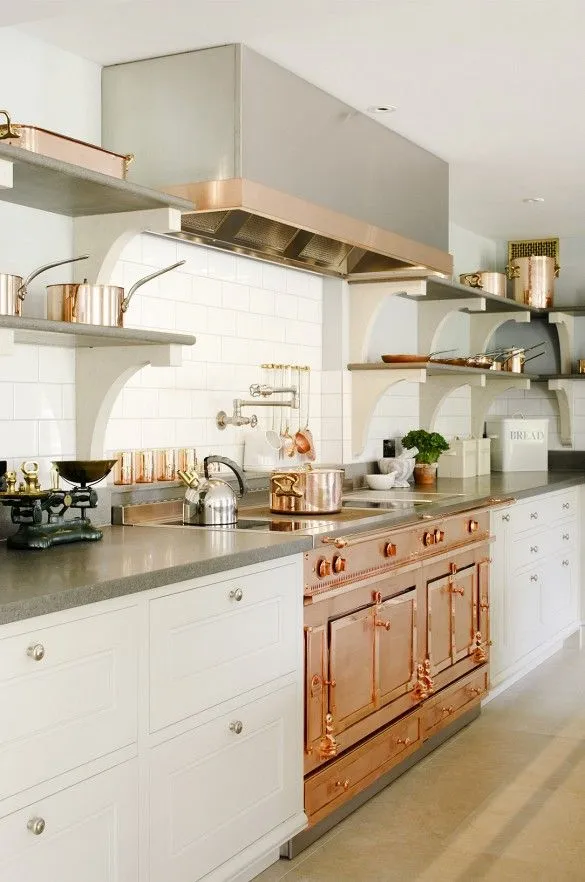
Planning Your Copper Kitchen Decor Paint Project
Painting copper kitchen decor can be a fantastic way to refresh your space and add a touch of boldness. Before you even think about picking up a paintbrush, proper planning is essential. Start by assessing your current copper decor pieces. What items do you want to paint? Consider items like copper pots, pans, decorative bowls, or even light fixtures. Next, think about the overall look you’re trying to achieve. Do you want a complete color transformation, or are you aiming for a more subtle update? Understanding your vision will guide your color selection and the type of paint you choose. Measure the surfaces you plan to paint to estimate how much paint you’ll need. Finally, create a budget for your project, accounting for paint, primer, brushes, tape, and any other necessary supplies. Planning prevents unexpected costs and ensures a smoother, more satisfying painting experience.
Choosing the Right Paint for Copper Decor
The type of paint you select is crucial for the longevity and appearance of your painted copper kitchen decor. Not all paints are created equal, and some are better suited for specific applications than others. Consider the material of your copper decor. Is it solid copper, or is it a copper-plated item? This will affect the type of paint you need. Look for paints specifically designed for metal surfaces. These paints are formulated to adhere well to metal and resist chipping, peeling, and fading. Consider your kitchen environment. Is it a high-moisture area? If so, opt for paints with moisture-resistant properties to prevent mold and mildew growth.
Paint Types and Finishes

When it comes to paint finishes, the options are varied, each offering a unique aesthetic. Matte finishes provide a non-reflective, velvety appearance, ideal for hiding imperfections and creating a modern look. Satin finishes offer a slight sheen, providing durability and ease of cleaning, making them suitable for high-traffic areas. Semi-gloss finishes have a higher sheen than satin, offering excellent durability and moisture resistance, perfect for kitchen environments. Gloss finishes are the shiniest option, providing a sleek, reflective surface that’s easy to clean, but they can highlight any imperfections. Consider the overall style of your kitchen and the look you want to achieve when selecting a finish. For copper decor, satin or semi-gloss finishes are often excellent choices, offering a balance of beauty and practicality. This image provides visual of different types of finishes of paints for consideration.
Selecting Colors That Complement Copper
Choosing the right colors can make or break your copper kitchen decor project. When selecting paint colors, consider the existing colors in your kitchen. Do you have warm or cool tones? Coordinate the paint color with your kitchen’s overall palette. Neutral colors like white, gray, and black are versatile and can create a clean, modern look. If you want to make a bold statement, consider colors that contrast with copper. Blue, green, and even deep reds can create stunning visual effects. Test paint samples before committing to a color. Paint small areas of your copper decor and observe how the color looks in different lighting conditions throughout the day. This will help you avoid any unpleasant surprises and ensure you’re happy with the final result. Color wheel will help you choose a color to complement the copper color.
Preparing Your Copper Kitchen Decor for Painting
Proper preparation is key to achieving a professional-looking paint job. This ensures the paint adheres correctly and lasts for years. Begin by thoroughly cleaning the copper decor. Remove any dirt, grease, or residue that could prevent the paint from sticking. Use a degreasing cleaner and warm water. Rinse the items and allow them to dry completely. Once cleaned, lightly sand the surfaces to create a texture for the paint to adhere to. This is especially important if the surface is smooth or has a previous finish. Use fine-grit sandpaper and be careful not to remove too much material. After sanding, wipe away any dust with a tack cloth. This image helps you visualize the process of preparing the items to be painted.
Cleaning and Surface Preparation

Surface preparation is crucial for paint adhesion and longevity. Start by cleaning the copper decor to remove any dirt, grease, or existing finishes. A good cleaning will help the primer and paint adhere properly. Use a degreasing cleaner and warm water. For heavily soiled items, you might need to repeat the cleaning process. After cleaning, allow the items to dry completely. Next, sand the surfaces lightly to create a slightly rough texture. This will improve the paint’s grip. Use fine-grit sandpaper. Avoid using harsh abrasives that could damage the surface. Remove any sanding dust with a tack cloth to ensure a clean surface before priming or painting.
Protecting Surfaces You Don’t Want Painted
Protecting surrounding surfaces is a critical step in preventing paint from getting where it shouldn’t. Use painter’s tape to mask off any areas you don’t want to paint, such as handles, trim, or adjacent surfaces. Ensure the tape adheres firmly to prevent paint from seeping underneath. For larger items, like copper pots or light fixtures, consider using drop cloths or plastic sheeting to protect your work area and other surfaces in your kitchen. This will catch any drips or spills and save you from a lot of cleanup. Work in a well-ventilated area to avoid inhaling paint fumes. If possible, paint outdoors or in a garage. If painting indoors, open windows and use fans to circulate air.
Painting Techniques for Copper Decor
The painting process requires a combination of patience, precision, and the right techniques. Begin with priming, which provides a good base for the paint to adhere to, especially on metal surfaces. Apply a thin, even coat of primer using a brush or spray. Let the primer dry completely according to the manufacturer’s instructions. This step is essential for achieving a uniform finish. Once the primer is dry, you can start applying the paint. Apply thin, even coats of paint, allowing each coat to dry before applying the next. Multiple thin coats are better than one thick coat. This minimizes drips and ensures a smooth, even finish. Use a brush for smaller items and detail work, and consider a sprayer for larger surfaces. This image provide visual of the techniques of painting.
Applying the Primer

Priming is a crucial step that prepares the surface for painting and ensures the paint adheres properly. Apply a thin, even coat of primer to the prepared copper decor. Use a brush or sprayer, depending on the size and complexity of the item. Make sure to get into all the crevices and corners. Let the primer dry completely according to the manufacturer’s instructions. Drying times can vary depending on the type of primer and the environmental conditions. Do not rush this process, as it’s essential for the paint’s longevity and appearance. If necessary, apply a second coat of primer for optimal coverage and adhesion, especially if the copper surface is very dark or has existing finishes.
Applying the Paint
After the primer has dried, it’s time to apply the paint. Apply thin, even coats of paint. Avoid applying too much paint at once, as this can lead to drips and an uneven finish. Multiple thin coats are better than one thick coat. Use a brush for smaller items and detail work, and consider a sprayer for larger surfaces to achieve a smoother finish. Let each coat dry completely before applying the next. Drying times can vary depending on the paint type and the environmental conditions. Following the manufacturer’s instructions is essential. Once the final coat is dry, inspect your work for any imperfections and make any necessary touch-ups. Patience and attention to detail will ensure a beautiful, long-lasting finish. This image provides you the techniques of painting copper decor.
Dealing With Touch-Ups and Corrections
Even the most experienced painters sometimes need to make touch-ups and corrections. After the final coat of paint has dried, carefully inspect your work for any imperfections, such as drips, runs, or areas that need more coverage. Use fine-grit sandpaper to gently smooth out any imperfections. Be careful not to sand through the paint. For small imperfections, you can often use a small brush or even a toothpick to apply a small amount of paint. If you encounter runs or drips, let the paint dry completely, then carefully sand the area smooth before applying another thin coat of paint. Patience and attention to detail are essential for achieving a professional-looking finish. Always allow the paint to cure completely before using or handling the painted copper decor. This image shows the touch ups of your painted items.
Maintaining Your Painted Copper Kitchen Decor

Regular maintenance is crucial for keeping your painted copper kitchen decor looking its best. To keep your painted copper kitchen decor looking fresh, start by cleaning the painted surfaces regularly. Dust and wipe down the painted items with a soft cloth or sponge and mild soap and water. Avoid using abrasive cleaners or scrubbing pads, as these can scratch the paint. Address any spills or stains immediately to prevent them from setting in. Periodic inspections will help you catch any problems early on. Regularly inspect your painted copper decor for any signs of damage, such as chipping, peeling, or fading. If you notice any issues, address them promptly. This ensures that your painted copper decor continues to add a touch of elegance and personality to your kitchen.
Cleaning Painted Surfaces
Regular cleaning is essential for maintaining the appearance of your painted copper kitchen decor. Dust and wipe down the painted surfaces regularly with a soft cloth or sponge. This will prevent dust and grime from building up and dulling the paint. For more stubborn dirt or stains, use a mild soap and water solution. Apply the solution to the surface with a soft cloth or sponge. Avoid using abrasive cleaners or scrubbing pads, as these can scratch the paint and damage the finish. Rinse the surface with clean water and allow it to dry completely. Cleaning the surface of the item properly helps it to last long.
Protecting Against Damage
Taking precautions to protect your painted copper decor from damage will help extend its lifespan. Avoid placing sharp objects or heavy items directly on painted surfaces. This can cause scratches or dents. Use placemats or trivets to protect painted countertops or tables from heat and moisture. If you have children or pets, consider using a protective sealant or coating on your painted copper decor. This can help prevent scratches and other damage. Regularly inspect your painted decor for any signs of wear and tear. Address any issues, such as chipping or peeling paint, as soon as possible to prevent further damage. This helps prevent the items from deteriorating, and helps them to last long.