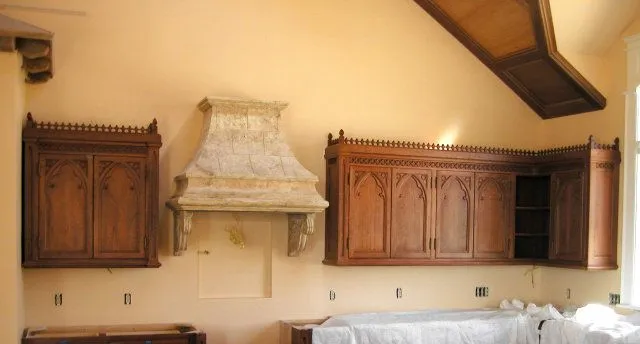
Understanding Gothic Kitchen Decor
Gothic kitchen decor embraces a style rooted in the medieval period, characterized by dramatic and ornate designs. It’s a bold aesthetic that combines dark, rich colors, pointed arches, intricate carvings, and a sense of mystery. Unlike the minimalist trends, a gothic kitchen creates an atmosphere of grandeur and historical significance, making a statement of individuality. The goal is to transform the space into a captivating environment that reflects the elegance of a bygone era. A well-executed gothic kitchen can feel both luxurious and inviting, offering a unique twist on traditional kitchen design. This style provides a distinctive character that’s hard to replicate, bringing a touch of the dramatic into your home.
The History and Origins of Gothic Design
Gothic design emerged in Europe during the late medieval period, flourishing from the 12th to the 16th century. It originated in architecture, with its most prominent features being pointed arches, ribbed vaults, and flying buttresses. These elements allowed for larger, more elaborate structures. The style quickly spread to interior design, influencing furniture, stained glass windows, and decorative details. Gothic design was a reaction against the preceding Romanesque style, and it emphasized verticality, light, and intricate ornamentation. It represented a shift towards a more spiritual and artistic expression, which continues to inspire contemporary designers who seek to incorporate its historical richness into modern spaces. The movement also reflected a rise in artistic craftsmanship and a desire to create spaces of awe and reverence.
Key Elements of Gothic Style
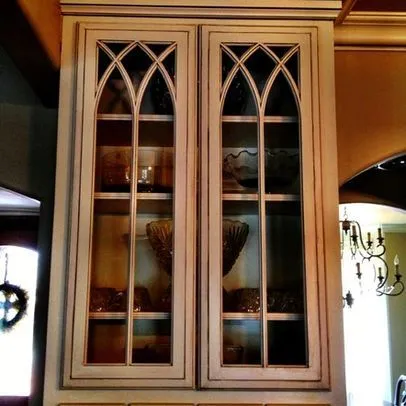
Several key elements define the gothic style, which are essential for recreating the aesthetic in your kitchen. Pointed arches are a signature feature, used in doorways, windows, and often mirrored in cabinet door designs. Dark, rich colors, such as deep reds, purples, greens, and blacks, create a sense of drama and mystery. Intricate carvings and ornamentation, including floral patterns, heraldic symbols, and religious motifs, add to the elaborate detailing. Heavy, substantial furniture and decor pieces contribute to the overall feeling of grandeur. Stone or dark-stained wood are frequently used materials, adding to the sense of historical authenticity. A gothic design often uses wrought iron, stained glass, and dramatic lighting to complete the aesthetic. These combined elements contribute to creating a space that’s both visually striking and historically evocative, perfect for those seeking a dramatic yet inviting kitchen design.
Cabinet Doors in Gothic Design
Cabinet doors play a pivotal role in establishing the gothic ambiance in your kitchen. They provide the foundational framework for this design. The style of doors you choose sets the tone for the entire space. They are more than just functional elements; they are design statements. By selecting gothic-inspired cabinet doors, you can immediately infuse the room with the necessary elements of the style, such as pointed arches, intricate carvings, and dark, rich finishes. The choice of materials and hardware will further enhance the gothic aesthetic. Whether you opt for a fully customized look or a more accessible approach using pre-made doors, focusing on this element is crucial to creating an authentic and cohesive gothic kitchen.
Choosing the Right Cabinet Door Style
The choice of cabinet door style is a critical step in achieving the desired gothic look. Consider several options to best represent the style. Flat panel doors with intricate carvings are popular, as they provide a clean, elegant surface to showcase details. Recessed panel doors with a pointed arch design offer a more traditional interpretation. Raised panel doors can also work, provided they incorporate gothic-inspired details, but ensure the design does not appear too modern. Select doors with details like gothic arches or arched windows. Look at the materials. Dark-stained wood, especially oak or mahogany, offers a classic gothic vibe. The hardware is another essential detail. Dark metal finishes, such as wrought iron or antique bronze, can complete the look. The perfect selection will depend on the scope of the project and personal preference, creating an overall design for your unique gothic kitchen.
Gothic Arch and Panel Designs

The gothic arch is a fundamental element in this design. This is the signature feature of gothic architecture and serves as a powerful visual element. It can be incorporated into your cabinet doors in various ways to add to the space. Consider cabinet doors with a pointed arch design, using the arch as a prominent element. This immediately establishes the gothic style. Use a detailed panel design within the arch for an added layer of sophistication. You could also incorporate pointed arch details into the framing or trim around the cabinet doors. The arch shape adds to the verticality and grandeur associated with this style, while the panels can be used for carved details. When done effectively, it delivers a unique look, setting your kitchen apart.
Intricate Carvings and Details
Intricate carvings are a hallmark of the gothic style. They bring a touch of artistry and sophistication to the design. Incorporate these details into your cabinet doors to enhance the richness and visual interest of your kitchen. Common carving motifs include floral patterns, stylized leaves, heraldic symbols, and religious imagery, such as crosses. The carvings can be applied to the door panels, frames, or even the edges of the doors. Ensure the details are proportionate to the size of the cabinets to maintain visual harmony. Dark finishes can enhance the shadows and depths created by the carvings, emphasizing the details. When choosing carvings, consider the overall aesthetic you want to achieve, as the level of detail can significantly affect the look and feel of the space. The right combination will add to the unique gothic elegance.
Material Selection for Gothic Cabinet Doors
The choice of materials is central to the gothic aesthetic. It will define the texture and tone. Dark-stained wood is the most popular choice, offering the deep color and visual weight of the style. Oak, mahogany, and walnut are excellent choices due to their durability and rich grain patterns. Consider using stone or faux stone panels in some areas to add a touch of texture and a connection to the architectural origins. If budget is a concern, explore engineered wood products with a wood veneer or painted finish that mimics the desired look. The material should complement the carvings and architectural details to create a cohesive design. High-quality materials are an investment that contributes to both the aesthetics and the longevity of your gothic kitchen.
Wood Types Best Suited for Gothic Cabinets

Certain wood types are particularly well-suited for gothic cabinet doors, due to their aesthetic properties and durability. Oak is a classic choice, prized for its strength and prominent grain, which readily accepts a dark stain. Mahogany offers a luxurious appearance with a rich, reddish-brown hue that deepens with age. Walnut, with its warm, chocolate-brown color, brings an air of sophistication and a fine grain that allows for detailed carvings. Consider cherry wood for its warmth and natural beauty, provided it is stained to a dark finish. The wood choice should complement the other elements in your kitchen, such as the hardware and countertops, as well as the overall design scheme. Ensure that the chosen wood is properly treated to withstand kitchen humidity and daily use, for the best look.
Finishing Options and Color Palettes
The finish and color palette play a crucial role in defining the gothic look. Dark stains are the hallmark, allowing the natural beauty of the wood to shine through while creating the desired dark aesthetic. Deep colors like black, charcoal grey, deep burgundy, forest green, and navy blue work well. A satin or matte finish is generally preferred over gloss, as it adds to the mysterious atmosphere. Consider distressing the finish to add an aged or antique appearance. This can involve techniques like dry brushing or using a crackle finish. When selecting your color palette, ensure that it complements the other elements in your kitchen. The right finish and color choices will help to create a unique, cohesive, and historically evocative gothic kitchen design.
Incorporating Gothic Decor into Your Kitchen
Beyond cabinet doors, other gothic decor elements can be integrated to create a cohesive design. Choose a dark color scheme for walls and flooring. Install gothic-style lighting fixtures. Select hardware with dark finishes such as wrought iron or antique bronze. Consider adding stained glass windows or panels for a touch of elegance and color. Include accessories like candelabras, ornate mirrors, and antique serving dishes. These details will amplify the theme, and enhance the overall ambiance. Try to incorporate some gothic art pieces, such as paintings or sculptures. The details should be chosen carefully to ensure they blend together, creating a space that feels both grand and functional.
Lighting and Hardware for Gothic Kitchens

Lighting and hardware are important components of the gothic design. These details can enhance the overall aesthetics of the space. Choose lighting fixtures that reflect the style. Wrought iron chandeliers or pendant lights are good choices, especially with candle-style bulbs that provide a warm, inviting glow. Consider sconces with dark metal finishes for task lighting. Dark-finished hardware, such as handles and knobs in wrought iron or antique bronze, complements the cabinet doors and adds to the historical vibe. Ensure that the hardware complements the finish on the cabinet doors and other metal fixtures. When selecting lighting and hardware, remember to focus on the balance between functionality and aesthetics to create a functional and elegant kitchen design.
Adding Gothic Accents and Accessories
Accessories and accents are crucial for completing the gothic look. They bring personality and depth to the design. Consider adding items that echo the historical richness of the design. Hang ornate mirrors with dark frames. Display antique serving dishes, candelabras, and other decorative items. Incorporate stained glass panels in cabinet doors or windows for a splash of color and light. Choose gothic-inspired artwork, such as paintings or sculptures. Arrange them in a way that emphasizes the grandeur of the design. The accents should complement the cabinet doors and other elements. They’re a way to make the kitchen a personal expression of your style. Don’t overload the space with items; instead, choose items that fit into the style.
Creating a Cohesive Gothic Kitchen Design
Achieving a cohesive design requires careful planning and attention to detail. The cabinet doors should serve as a foundational element, setting the tone for the style. Coordinate the color palette, finishes, and materials used throughout the kitchen. Ensure that the lighting, hardware, and accessories complement the overall aesthetic. Consider the relationship between the design and the functionality of the kitchen. Balance the dramatic elements with practical considerations. Focus on historical integrity, while avoiding a theatrical appearance. Strive for a balance between drama and usability. This will ensure that your kitchen looks beautiful and feels like a functional and welcoming space.
Maintaining and Preserving Gothic Kitchen Features

Maintaining your gothic kitchen is vital to preserving its beauty. Clean the cabinet doors regularly with appropriate products for your material. Dust and polish them to retain their shine. Protect the wood surfaces from excessive moisture and heat. If the cabinet doors have intricate carvings, use soft brushes or cloths to clean the details. Ensure that any stains or damage are addressed promptly. Implement these methods to protect your kitchen. Regular maintenance will help ensure that your gothic kitchen looks elegant for years to come. Following the recommended guidelines is key to preserving your investment.
Cleaning and Care for Gothic Cabinet Doors
Proper cleaning and care are essential for maintaining the appearance and integrity of your gothic cabinet doors. Use gentle cleaning solutions. Avoid harsh chemicals or abrasive cleaners, as they can damage the finish. For wood cabinets, wipe the doors with a damp cloth and a mild soap solution. Dry the surface immediately. For cabinets with intricate carvings, use a soft brush to remove dust and debris from crevices. Inspect the doors for damage regularly. If you notice any scratches or imperfections, consider a touch-up or professional repair. Following the cleaning procedures can protect and keep your cabinet doors looking great for many years. Be careful about the product used and test it on a hidden area.
Protecting Your Gothic Kitchen Decor
Protecting your gothic kitchen decor from wear and tear is vital. Take care to safeguard your investment. Protect the cabinet doors. Consider using a protective finish or sealant on the wood surfaces to prevent scratches and water damage. Place protective pads under items that could scratch surfaces. Install heat shields near ovens and cooktops. If you have stained glass elements, ensure that they are securely installed and protected from direct sunlight. Regular inspections will help identify any problems. By following these guidelines, you will ensure that your gothic kitchen decor remains beautiful. The right care will help preserve its distinctive character and beauty, ensuring that your gothic kitchen remains an eye-catching and enjoyable space for many years.