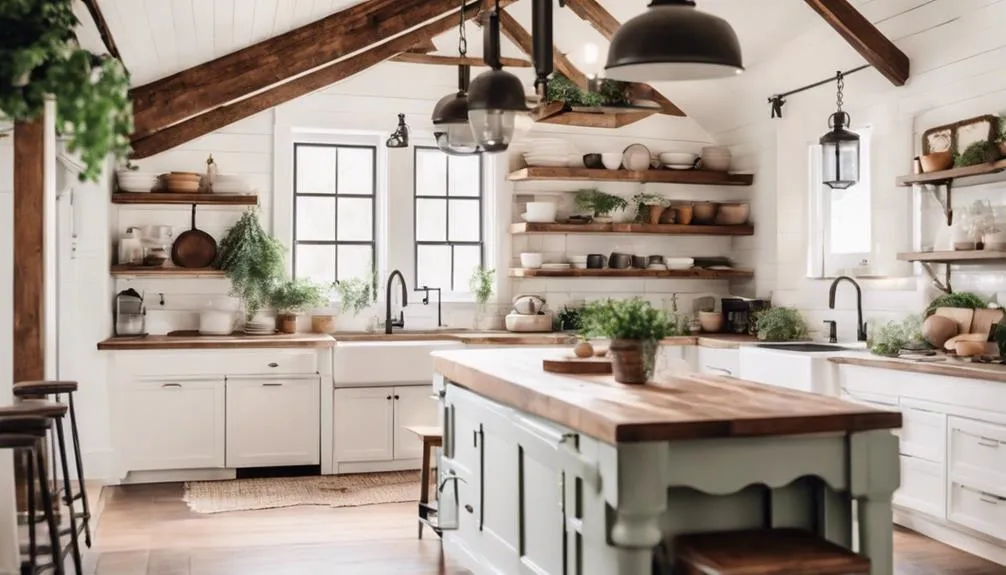
Understanding the Contemporary Farmhouse Kitchen
The contemporary farmhouse kitchen seamlessly blends the warmth and rustic charm of traditional farmhouse style with the clean lines and modern functionality of contemporary design. This aesthetic is all about creating a space that feels both inviting and stylish, perfect for cooking, entertaining, and everyday living. It’s a balanced approach that avoids the overly ornate details sometimes found in traditional farmhouse kitchens, opting instead for a more streamlined and updated look. The key is to combine cozy, familiar elements with a fresh, modern perspective to create a space that is both timeless and on-trend. This style emphasizes natural materials, a neutral color palette, and a sense of simplicity, resulting in a comfortable yet sophisticated kitchen environment. The goal is to create a space that feels lived-in and loved, while still maintaining a sense of contemporary elegance and practicality, providing functionality with an up-to-date design.
What is Contemporary Farmhouse
Contemporary farmhouse is a hybrid style that fuses the best of both worlds. It retains the rustic, comfortable feel of farmhouse design while incorporating the sleekness and simplicity of contemporary aesthetics. Think of it as a curated blend where rustic elements like exposed beams, wooden accents, and apron-front sinks meet clean lines, minimalist hardware, and a neutral color scheme. This style is about creating a space that feels both inviting and functional. Modern features like stainless steel appliances and streamlined cabinetry are balanced by the warmth of natural materials, creating a harmonious environment. The core of this style is the emphasis on comfort, functionality, and a touch of elegance. The outcome is a kitchen that feels both modern and timeless, perfect for those who want a space that reflects a sense of sophistication and relaxed living. The goal is to create a space that is both beautiful and practical, where you can cook, gather, and create memories with loved ones.
Key Elements of Contemporary Farmhouse Kitchens

Several key elements define the contemporary farmhouse kitchen. The color palette typically revolves around neutral tones such as whites, creams, grays, and soft pastels. These colors provide a calming backdrop and allow the natural textures and materials to shine. Natural materials like wood, stone, and metal are essential. Wooden cabinetry, butcher block countertops, and exposed beams bring warmth and character, while metal accents such as pendant lights and hardware add a touch of modernity. Open shelving is another defining feature, allowing for the display of decorative items and frequently used kitchen essentials. Apron-front sinks are a classic farmhouse element, but in a contemporary kitchen, they are often paired with sleek faucets and minimalist hardware. The overall aesthetic emphasizes simplicity, functionality, and a sense of airiness. By combining these elements, you can create a kitchen that is both stylish and welcoming, a perfect blend of old and new. Modern appliances, clean lines, and smart storage solutions all play their part in making the kitchen functional.
Tip 1 Choosing the Right Color Palette
The color palette is the foundation of any successful contemporary farmhouse kitchen. Opting for a neutral base is crucial; it provides a clean, calming backdrop that allows other design elements to stand out. Whites, creams, and soft grays are excellent choices for walls, cabinetry, and even flooring. These colors create an airy and spacious feel, making the kitchen appear larger and more inviting. To add warmth and depth, incorporate natural wood tones through elements like butcher block countertops, wooden shelving, or exposed beams. These wood elements add a touch of rustic charm while maintaining a sense of modern elegance. Consider adding pops of color through decorative accessories, artwork, or accent walls. This adds personality and visual interest without overwhelming the space. The goal is to create a balanced and harmonious color scheme that feels both inviting and stylish, ensuring that the kitchen feels both modern and timeless. The neutral palette allows you to easily update your kitchen’s look by changing out accessories, and the warm wood tones keep the space feeling comfortable and lived-in.
Neutral Base Colors for a Calm Kitchen
Neutral colors form the backbone of a contemporary farmhouse kitchen, providing a sense of serenity and setting the stage for other design elements. White is a perennial favorite, creating a clean and bright atmosphere that reflects natural light beautifully. Creamy whites offer a softer, warmer alternative, adding a touch of coziness without sacrificing the airy feel. Gray is also an excellent choice, ranging from light, airy shades to deeper, more sophisticated tones. These neutral bases allow for flexibility in terms of design and allow you to incorporate various accent colors and textures without feeling overwhelmed. When choosing neutral colors, consider the amount of natural light your kitchen receives. Lighter shades work well in spaces with limited light, while darker grays can create a dramatic effect in well-lit areas. These neutral colors provide a versatile backdrop that complements the farmhouse aesthetic, combining comfort and contemporary design. The use of neutral colors helps to create a visually appealing and functional space, perfect for any home.
Adding Pops of Color

While a neutral base is essential, adding pops of color can inject personality and vibrancy into your contemporary farmhouse kitchen. Consider using colors that complement the overall aesthetic, such as soft blues, greens, or even muted yellows. These colors can be incorporated through decorative accessories, such as throw pillows, dish towels, or artwork, adding interest and visual appeal. Accent walls painted in a bolder color can also provide a focal point. For those who want to make a bigger statement, consider painting the kitchen island a different color or choosing a backsplash with a colorful pattern. Incorporating greenery, such as herbs or small potted plants, is another way to add color and life to the kitchen. By strategically incorporating pops of color, you can create a kitchen that is both stylish and inviting, adding personality to the space while still maintaining a sense of harmony. The goal is to create a balanced and visually appealing design. By carefully selecting the right colors and incorporating them strategically, you can create a kitchen that truly reflects your personal style.
Tip 2 Selecting Kitchen Cabinetry
Cabinetry plays a pivotal role in shaping the aesthetic of a contemporary farmhouse kitchen. Opting for shaker-style cabinets is a popular choice, characterized by their simple, flat-panel doors and clean lines. This style offers a timeless appeal that blends well with both farmhouse and contemporary design elements. Consider incorporating glass-front cabinets to showcase decorative items, adding visual interest while providing practical storage. Painting cabinets in neutral colors such as white, cream, or gray will create a bright and airy atmosphere. This allows the natural textures and materials to be highlighted, emphasizing the warmth and charm of the space. Hardware selection is equally crucial; simple, streamlined pulls or knobs in finishes such as brushed nickel, matte black, or antique brass can enhance the contemporary feel. The goal is to create a balanced and visually appealing design, where the cabinetry is functional and contributes to the overall aesthetic. By carefully considering these elements, you can create a kitchen that is both stylish and practical.
Cabinet Styles for Farmhouse Aesthetics
Several cabinet styles work beautifully in a contemporary farmhouse kitchen. Shaker cabinets remain a top choice, known for their clean lines and versatility. Their simple design complements both the farmhouse and contemporary aesthetics, making them a classic option. Beadboard cabinets, with their vertical grooves, add a touch of rustic charm, bringing a cozy and inviting feel to the space. For a more modern touch, consider flat-panel cabinets, which offer a sleek and streamlined look. Open shelving is another excellent way to incorporate farmhouse elements while adding an airy feel. It can be used to display dishes, cookbooks, and decorative items, adding personality and visual interest. When selecting cabinet styles, consider the overall aesthetic of your kitchen and choose designs that complement each other. Think about the functionality of the cabinets and how they will meet your storage needs. The goal is to create a balanced and visually appealing design, where the cabinetry is functional and contributes to the overall aesthetic.
Cabinet Hardware

Cabinet hardware is a crucial detail that can significantly impact the overall aesthetic of your kitchen. For a contemporary farmhouse look, opt for hardware that complements the clean lines and simplicity of the style. Simple, streamlined pulls or knobs in finishes such as brushed nickel, matte black, or antique brass work well. These finishes add a touch of elegance and modernity without being overwhelming. Avoid ornate or overly decorative hardware that can detract from the clean aesthetic. When choosing hardware, consider the color of your cabinets and the other finishes in your kitchen. Matte black hardware complements white or light-colored cabinets. Antique brass or brushed nickel offers warmth and sophistication. The hardware should be consistent with the overall design theme, making the kitchen look cohesive and polished. The goal is to choose hardware that is both stylish and functional, enhancing the usability and visual appeal of your cabinets. Carefully chosen hardware can elevate the design and make your kitchen feel more complete.
Tip 3 Choosing the Right Countertops
Countertops are a focal point in any kitchen, and in a contemporary farmhouse setting, they must complement the overall aesthetic while being functional. Quartz countertops are an excellent choice, offering durability, low maintenance, and a wide range of design options. They come in various colors and patterns, including options that mimic the look of natural stone. Butcher block countertops add warmth and rustic charm. They are a classic farmhouse element, bringing a sense of natural beauty to the space. However, they require regular maintenance. Consider using butcher block on an island or a smaller area to reduce maintenance. Marble countertops bring a touch of luxury and elegance to the kitchen. Their natural veining adds visual interest and sophistication. Consider the color scheme of your kitchen and other design elements. The goal is to choose countertops that are both stylish and practical, enhancing the functionality and visual appeal of your kitchen. The right countertops can tie the whole look together, creating a space that is both beautiful and functional. Carefully chosen countertops will enhance the design and make your kitchen feel complete.
Countertop Materials to Consider
When choosing countertop materials, several options offer the perfect blend of style and functionality for a contemporary farmhouse kitchen. Quartz is a popular choice due to its durability, low maintenance, and versatility. It comes in various colors and patterns, making it easy to complement any kitchen design. Granite is another excellent option, providing a natural stone look with unique veining and patterns. Granite countertops are durable and heat-resistant, but they require regular sealing. Marble countertops offer a touch of luxury and elegance with their natural beauty. Their unique veining adds visual interest, and they are ideal for creating a sophisticated look. However, they are prone to staining and scratching. Butcher block countertops add warmth and a rustic charm. They bring a sense of natural beauty to the space but need regular maintenance. Concrete countertops offer a modern industrial feel. They are durable and can be customized to fit any design. Each material has unique properties, so consider your lifestyle and maintenance preferences when making your choice. The goal is to choose countertops that enhance the beauty and functionality of your kitchen.
Countertop Maintenance

The type of countertop material you choose determines the level of maintenance required. Quartz is relatively low-maintenance; it needs only regular cleaning with mild soap and water. Granite requires regular sealing to prevent stains and maintain its beauty. Clean up spills promptly and use cutting boards to avoid scratches. Marble also requires regular sealing to prevent staining. Avoid using harsh chemicals or acidic cleaners. Use coasters under glasses and hot pads to prevent damage. Butcher block countertops need regular oiling to protect the wood and prevent drying and cracking. Clean up spills promptly and use cutting boards. Concrete countertops are durable but can be susceptible to staining. Seal them regularly to protect them from moisture and stains. By understanding the maintenance requirements of your chosen material, you can keep your countertops looking beautiful for years. Routine cleaning and proper care will help maintain the beauty and functionality of your countertops. Taking good care of your countertops is vital for preserving their appeal and ensuring their longevity.
Tip 4 Incorporating Open Shelving
Open shelving is a key element in contemporary farmhouse kitchens, offering both functional storage and decorative opportunities. It adds an airy feel and allows you to showcase your favorite dishes, cookbooks, and decorative items. It is a great way to add personality to the space. When incorporating open shelving, consider the placement and the items you plan to display. Shelves installed near the sink or stove can be used for frequently used items. Stagger the shelves to create visual interest and add depth. Choose shelving materials that complement the overall design, such as wood, metal, or a combination of both. Be mindful of clutter. Too many items can make the space feel disorganized. Edit your display regularly, keeping only the most essential and attractive pieces on display. To create a balanced look, consider a mix of functional items and decorative accents. Plants, artwork, or other decor elements can add visual interest. Open shelving is an excellent way to combine style and functionality in your kitchen. Careful planning and thoughtful styling will elevate your kitchen design.
Styling Open Shelves
Styling open shelves requires a balance of functionality and aesthetics. Start with the basics: cookbooks, everyday dishes, and glasses. These items add practicality and visual interest. Layer in decorative accents such as plants, small artwork, or ceramics to add personality. Vary the heights of the items to create visual interest. Use a mix of textures and colors. Combine items of different sizes and shapes to keep the display engaging. Avoid overcrowding the shelves. Ensure enough space between items. Group similar items together to create a sense of order. Try to maintain a cohesive color palette. Use neutral colors as the foundation and incorporate pops of color through decorative pieces. Change up the display seasonally or as your tastes change. This will keep your kitchen looking fresh and inviting. Open shelves can be a focal point of your kitchen. By carefully styling your open shelves, you can create a space that is both functional and visually appealing.
Open Shelving Materials

The choice of shelving material can significantly impact the overall aesthetic of your contemporary farmhouse kitchen. Wood is a classic choice. It brings warmth and natural beauty. Choose a wood type that complements your other cabinetry and design elements, such as oak, maple, or reclaimed wood. Metal shelves offer a modern touch, adding an industrial vibe to the kitchen. They are durable and come in various finishes, such as black, brass, or stainless steel. A combination of wood and metal can create a visually appealing contrast. This pairing is often seen in contemporary farmhouse kitchens. Glass shelves add an elegant touch, allowing light to pass through. This creates a sense of spaciousness. They can be used to showcase decorative items. Floating shelves are a popular choice. They offer a clean and uncluttered look. Consider the weight capacity and install them properly for safety. Choose shelving materials that fit your overall design style and the functionality of the kitchen. The material you choose should enhance the visual appeal of the space.
Tip 5 Selecting the Right Lighting
Lighting is crucial for both the functionality and the aesthetic of a contemporary farmhouse kitchen. Combine different types of lighting to create a layered effect. This will add depth and visual interest. Start with ambient lighting, which provides overall illumination. Recessed lights or a central pendant fixture work well for this. Add task lighting to areas where you need focused light, such as over the kitchen island or the countertop. Under-cabinet lighting is also a good option. Accent lighting can be used to highlight decorative elements or architectural features, adding a touch of drama to the space. Choose lighting fixtures that complement the style of your kitchen. Metal pendants, rustic chandeliers, or streamlined sconces are all great options. The goal is to create a well-lit, inviting space that is both functional and visually appealing. Consider using dimmers to control the intensity of the lighting. This will allow you to adjust the ambiance to suit the mood and the time of day. Proper lighting will enhance the beauty and usability of your kitchen.
Lighting Styles
Several lighting styles can enhance the contemporary farmhouse aesthetic. Metal pendant lights, particularly those with a matte black or brushed nickel finish, offer a modern touch. They are perfect for adding task lighting over the kitchen island or the dining area. Rustic chandeliers, with their exposed bulbs or vintage-inspired designs, add charm and character. They create a warm and inviting atmosphere, perfect for a farmhouse kitchen. Streamlined sconces, placed above the countertops or on either side of the sink, provide task lighting. They also add a touch of elegance. Under-cabinet lighting provides focused light for food preparation and can highlight your countertop. Recessed lighting offers a clean, streamlined look. It provides ambient lighting without taking up visual space. Consider the size and style of your kitchen. Choose lighting fixtures that complement your overall design style and are appropriate for the size of the space. A thoughtful mix of lighting styles will create a functional and visually appealing kitchen.
Lighting Placement

Strategic lighting placement is essential to ensure the functionality and aesthetics of your contemporary farmhouse kitchen. Ambient lighting should be distributed evenly throughout the space. Recessed lights or a central pendant fixture work well. Task lighting should be focused on areas where specific tasks are performed. This includes the kitchen island, countertops, and the stove area. Under-cabinet lighting is useful for food preparation. Accent lighting can be used to highlight decorative elements, such as artwork or open shelving. Consider the layout of your kitchen and the activities that take place there. Ensure that each area has sufficient lighting. Layer the lighting for depth. Combine ambient, task, and accent lighting to create a well-lit and inviting space. Use dimmers to control the intensity of the lighting. This will allow you to adjust the ambiance. Proper lighting placement will make your kitchen more functional and visually appealing. It will also make your kitchen a space where you enjoy spending your time.
Tip 6 Choosing the Right Sink
The kitchen sink is an essential element, and the right choice can enhance the farmhouse aesthetic while providing functionality. The apron-front sink, also known as the farmhouse sink, is a classic choice. It adds a touch of rustic charm and is a defining feature of the farmhouse style. Choose a sink made from materials like stainless steel, fireclay, or cast iron. Stainless steel is durable and easy to maintain. Fireclay and cast iron offer a timeless appeal, adding character and a touch of elegance. When choosing a sink, consider the size of your kitchen and your daily needs. A larger sink is ideal for families or those who love to cook. Consider the faucet style and hardware, which should complement the sink and the overall design. The goal is to choose a sink that is both functional and visually appealing, enhancing the farmhouse aesthetic. Select a sink that enhances the style and functionality of the space. The right sink will become a focal point in your kitchen.
Farmhouse Sink Styles
Several farmhouse sink styles are ideal for a contemporary farmhouse kitchen. The classic apron-front sink, with its exposed front, is the most iconic. It adds a touch of rustic charm. It’s a timeless choice that never goes out of style. Undermount sinks, which are installed beneath the countertop, create a clean and seamless look. They are easier to clean than drop-in sinks. Double-bowl sinks provide separate basins for washing and rinsing. They are great for those who frequently cook and entertain. Single-bowl sinks offer a spacious design. They are perfect for washing large pots and pans. The material of the sink plays a significant role in its overall look and durability. Stainless steel sinks are durable and easy to maintain. Fireclay sinks offer a timeless appeal and are resistant to scratches and stains. Cast iron sinks provide a classic look. They are very durable, but they require regular maintenance. When choosing a sink, consider your lifestyle, the needs of your family, and the overall design of your kitchen.
Sink Materials

The material of your kitchen sink affects its appearance, durability, and maintenance requirements. Stainless steel sinks are popular due to their durability, affordability, and ease of maintenance. They are resistant to stains and scratches. Fireclay sinks offer a classic, timeless appeal. They are made from ceramic clay. Fireclay sinks are resistant to heat and scratches and easy to clean. Cast iron sinks have been a kitchen staple for years. They are very durable and can withstand heavy use. They are also resistant to chips and cracks. However, they may require regular maintenance to prevent rust. Composite sinks are made from a blend of materials. They are durable and come in a variety of colors and styles. Each sink material has its benefits, so consider your lifestyle and design preferences. Choose a sink that meets your needs and complements your kitchen’s overall style. Taking the time to select the right sink material will add both functionality and style to your kitchen.
Tip 7 Adding Decorative Accents
Decorative accents are essential for adding personality and finishing touches to your contemporary farmhouse kitchen. Incorporate items that reflect your style and make the space feel lived-in and inviting. Display decorative items such as artwork, vases, and plants. These accents add visual interest and can be changed to update the look of your kitchen. Choose a variety of textures and materials. This creates a layered and visually appealing space. Mix rustic elements with modern pieces to maintain a balanced aesthetic. Consider adding touches of natural wood, metal, or ceramic. Incorporate textiles, such as dish towels, curtains, and rugs, to add warmth and softness. Choose colors and patterns that complement the overall color scheme. Use open shelves to display your favorite dishes, cookbooks, and decorative items. Style your countertops with a few carefully selected accessories, such as a utensil holder or a decorative bowl. The goal is to create a kitchen that feels both stylish and inviting. By adding personal touches, you can transform your kitchen into a space that reflects your personality and enhances your enjoyment of the space.
Choosing Decorative Accents
When choosing decorative accents for your contemporary farmhouse kitchen, select items that reflect your personal style and complement the overall aesthetic. Incorporate artwork that adds color and personality to the space. Choose pieces with natural themes or rustic elements to complement the farmhouse style. Vases and decorative bowls can add visual interest. Use them to display flowers, fruits, or other decorative items. Plants and greenery bring life and freshness to the kitchen. Herbs and small potted plants are perfect for adding a touch of color. Textiles, such as dish towels, curtains, and rugs, add warmth and softness. Choose materials and patterns that complement your color scheme. Consider mixing rustic and modern elements. The goal is to create a balance between the two styles. Use items that are both functional and beautiful. This will add to the overall design. By carefully choosing decorative accents, you can create a kitchen that is both stylish and inviting. These accents will add personality to the space.
Where to Place Accents
Proper placement of decorative accents is essential for achieving the perfect look in your contemporary farmhouse kitchen. Place artwork on walls to add color and personality. Consider the size and scale of the artwork and how it relates to the other elements in the room. Arrange vases and bowls on countertops, open shelving, or the kitchen island. Use them to display flowers, fruits, or other decorative items. Plants and greenery can be placed on countertops, shelves, or windowsills. Choose plants that thrive in kitchen environments. Use textiles, such as dish towels and rugs, to add warmth and softness. Position dish towels near the sink and rugs in high-traffic areas. Consider using open shelving to display decorative items and create visual interest. Balance the items to create a harmonious look. Avoid overcrowding the space. The key is to create a balanced and visually appealing design. By carefully considering the placement of your decorative accents, you can create a kitchen that is both stylish and inviting, maximizing the space’s potential.