Farmhouse Kitchen Decor: Top 7 Ideas
Farmhouse kitchen decor embodies a sense of warmth, simplicity, and practicality, blending rustic charm with modern functionality. Creating a welcoming and stylish kitchen is achievable by incorporating key elements that define this beloved design style. This guide delves into seven essential ideas to transform your kitchen into a cozy, aesthetically pleasing space. From incorporating natural materials to embracing vintage finds, these tips will help you achieve the perfect farmhouse aesthetic.
Rustic Elements
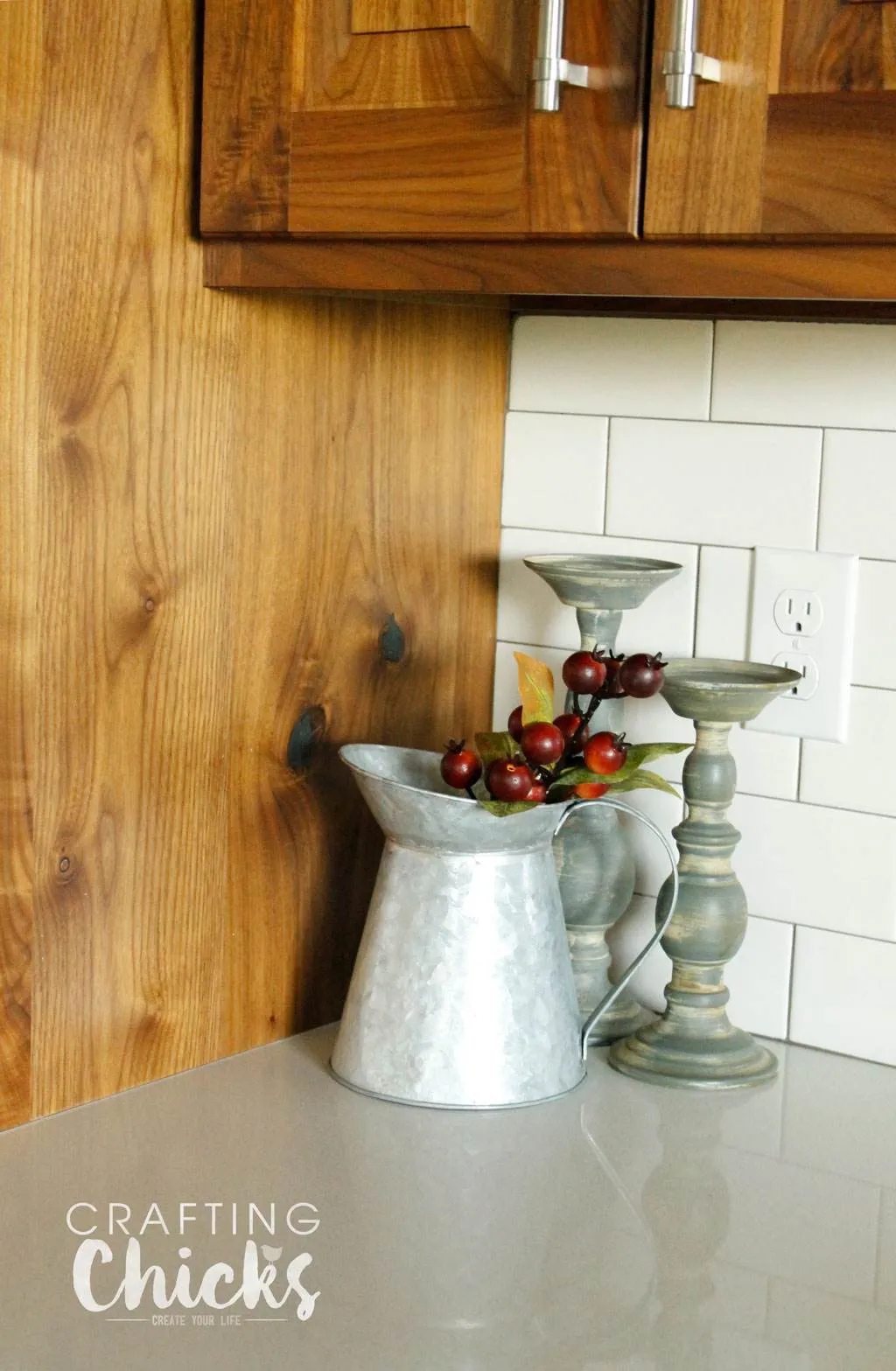
The foundation of farmhouse kitchen decor lies in embracing rustic elements. This involves incorporating materials that evoke a sense of history and natural beauty. Think about textures, imperfections, and the raw appeal of the materials. Rustic elements ground the space, providing a comforting and lived-in feel. The strategic use of these elements creates a timeless appeal that is both inviting and functional. By choosing materials that tell a story, you enhance the kitchen’s character and establish a strong visual foundation for the design.
Wooden Accents

Wood is a cornerstone of farmhouse design, adding warmth and texture. Consider wooden accents such as open shelving, butcher block countertops, and exposed beams. The type of wood you choose can significantly impact the overall look. Reclaimed wood provides an authentic rustic touch, while lighter woods like pine create a brighter, more airy feel. These wooden accents not only enhance the visual appeal but also contribute to the functional aspects of the kitchen, providing storage and workspace.
Exposed Shelving
Exposed shelving offers a practical and stylish way to display your kitchen essentials. Instead of upper cabinets, install open shelves to showcase your favorite dishes, cookbooks, and decorative items. This not only provides easy access to frequently used items but also adds visual interest to the space. Using reclaimed wood for shelving adds a rustic touch, while metal brackets can provide an industrial contrast. Consider arranging items in an aesthetically pleasing way to create a curated, inviting display.
Vintage Finds
Incorporating vintage finds adds character and a sense of history to your farmhouse kitchen. These items can be anything from antique scales and enamelware to vintage signs and repurposed furniture. Each piece brings a unique story and adds to the overall aesthetic of the kitchen. Vintage items can be found at flea markets, antique stores, and online marketplaces, offering endless opportunities for customization. The key is to choose pieces that complement your existing decor and reflect your personal style, making your kitchen a truly unique space.
Antique Lighting

Lighting is an integral part of farmhouse kitchen decor. Antique lighting fixtures, such as pendant lights with Edison bulbs, or wrought iron chandeliers, can add a touch of vintage elegance. These lights not only illuminate the space but also serve as decorative elements, drawing the eye and creating a warm and inviting ambiance. Consider the size and style of the lighting in relation to the overall space. Choosing the right lighting can set the tone and mood, enhancing the rustic charm of the kitchen.
Repurposed Items
Embrace sustainability and creativity by repurposing items in your kitchen. Old doors can be transformed into a kitchen island or a pantry door, while vintage crates can be used for storage. Repurposing not only reduces waste but also adds a unique, personalized touch to your space. Think outside the box and find creative ways to give new life to old items. This approach fosters a sense of resourcefulness, contributing to the farmhouse kitchen’s cozy and authentic feel.
Neutral Color Palette
A neutral color palette forms the perfect backdrop for farmhouse kitchen decor. This creates a sense of calm and allows the rustic elements and vintage finds to stand out. Soft, inviting colors provide a clean and airy feeling that complements the style’s natural elements. The use of neutral colors enhances the feeling of space and light, creating a relaxing and comfortable environment. This approach allows for easy integration of various decor items.
White Walls and Cabinets

White walls and cabinets are a hallmark of farmhouse kitchens, creating a bright and airy space. White reflects light, making the kitchen feel larger and more inviting. Consider different shades of white to add subtle variations and visual interest. Pairing white with natural wood tones and rustic accents creates a balanced, cohesive look. The cleanliness and simplicity of white serve as a perfect canvas to highlight other decorative elements.
Cream and Beige Tones
Incorporating cream and beige tones adds warmth and depth to the neutral palette. These colors provide a subtle contrast to white, creating a sense of coziness. Consider using cream or beige on walls, backsplashes, or kitchen islands. These colors provide a soft, inviting feel, complementing the rustic elements and vintage finds. Mixing these tones creates a balanced, visually appealing space.
Textural Elements
Adding textural elements brings depth and visual interest to the kitchen. Textures provide contrast and make the space more inviting and cozy. The combination of different textures creates a layered look that adds depth to the design, enhancing the overall appeal of the kitchen. This approach adds character and a unique dimension to your farmhouse kitchen decor.
Natural Fabrics

Natural fabrics such as linen, cotton, and burlap add softness and texture to the kitchen. Use these fabrics for curtains, dish towels, and upholstery. These fabrics are not only aesthetically pleasing but also durable and practical. They can be used in various ways, adding to the charm of the farmhouse kitchen. Using natural fabrics enhances the overall aesthetic and creates a warm, inviting atmosphere.
Woven Baskets
Woven baskets are a versatile and practical way to add texture to your kitchen. Use them for storage, display, or simply as decorative accents. Baskets come in various sizes and styles, allowing you to customize your decor. They add a rustic touch and provide an easy way to integrate natural materials. Displaying baskets on shelves or countertops adds a touch of warmth, making your kitchen feel more inviting.
Farmhouse Sink
A farmhouse sink, also known as an apron-front sink, is a quintessential element of farmhouse kitchen decor. Its prominent design adds a touch of rustic elegance. Farmhouse sinks are not only aesthetically pleasing but also practical, offering ample space for washing dishes. The design adds a timeless element, anchoring the kitchen’s farmhouse aesthetic. The design of the sink, with its prominent apron-front, adds to the overall aesthetic.
Apron-Front Design

The apron-front design is the defining feature of a farmhouse sink. The extended front of the sink adds visual interest and provides a functional workspace. These sinks come in various materials, including porcelain, stainless steel, and fireclay. Each material offers a unique look and feel. The design of the sink enhances the functionality of the kitchen, providing ample space for washing and preparing food.
Durable Materials
Farmhouse sinks are typically made from durable materials like porcelain, stainless steel, or fireclay. These materials are designed to withstand daily use and maintain their appearance over time. The selection of durable materials ensures the sink’s longevity and functionality. The sturdy construction of farmhouse sinks makes them a practical and long-lasting investment for your kitchen.
Open Concept
An open concept layout enhances the spaciousness and flow of a farmhouse kitchen. Connecting the kitchen to the dining or living area creates a welcoming space for gathering and socializing. An open concept layout encourages interaction and makes the kitchen feel less isolated. The design allows for natural light to flow throughout the space. This can be further enhanced by adding an island.
Maximizing Space

Optimizing space is crucial in an open-concept kitchen. Utilizing built-in storage, islands, and maximizing vertical space can help create a functional and organized layout. Consider the placement of appliances and the flow of the kitchen to ensure efficiency. This design facilitates ease of movement and provides an inviting space for cooking and entertaining. Clever space-saving solutions are integral to achieving the desired open, airy feel.
Incorporating Islands
Kitchen islands are a great way to add functionality and charm to a farmhouse kitchen. They provide extra workspace, storage, and seating. The island can be designed with a butcher block countertop, open shelving, or a farmhouse sink to enhance the aesthetic. This provides additional space for food preparation and storage. It also creates a natural gathering spot, promoting social interaction and enhancing the overall layout of the kitchen.
Greenery
Bringing greenery into your kitchen adds life and freshness, creating a more inviting atmosphere. Plants enhance the visual appeal and bring a touch of nature indoors. The addition of greenery is a simple way to make your kitchen feel more welcoming and lively. There are several ways to incorporate plants, enhancing the overall appeal of the space.
Fresh Herbs

Growing fresh herbs in your kitchen adds a touch of freshness and convenience. Herbs like basil, rosemary, and mint can be grown in pots on a windowsill or countertop. Fresh herbs not only add flavor to your cooking but also enhance the aesthetic appeal of the kitchen. They bring a natural, vibrant element that complements the farmhouse style. Growing herbs also adds a practical element to the kitchen, making it easier to create delicious meals.
Potted Plants
Potted plants can be placed on countertops, shelves, or windowsills to add visual interest. Choose plants that thrive in kitchen environments, such as succulents, ferns, or pothos. These plants enhance the overall aesthetic, bringing a sense of nature indoors. Selecting the appropriate plants contributes to the health and beauty of the space, offering a refreshing contrast to the rustic elements.