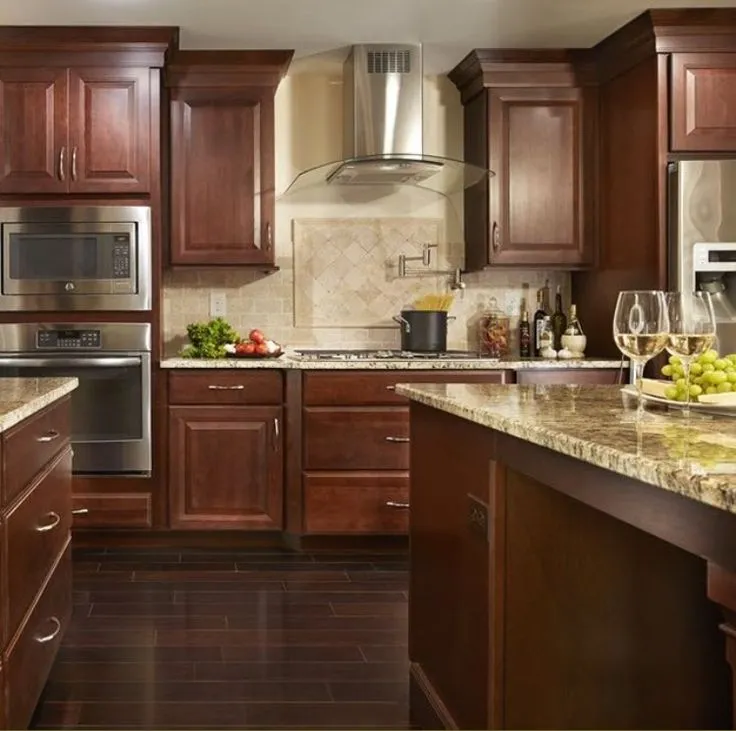
Brown Kitchen Cabinets Decor Top 5 Ideas
Brown kitchen cabinets offer a timeless appeal, providing a warm and inviting atmosphere to the heart of your home. However, decorating around them can be a challenge. With the right approach, you can transform your kitchen into a stylish and functional space. This guide provides five essential ideas to help you enhance your brown kitchen cabinets and create a stunning decor. From choosing the perfect colors to incorporating the right accents, lighting, countertops, and backsplashes, we’ll help you unlock the full potential of your kitchen. Get ready to discover how to turn your brown-cabinet kitchen into a beautiful, cohesive space you’ll love.
Embrace Neutral Colors
Neutral colors are your best friend when it comes to complementing brown cabinets. They create a balanced and harmonious look, ensuring your kitchen doesn’t feel too dark or overwhelming. By using neutral tones, you can create a versatile backdrop that allows other design elements to shine. Think of your cabinets as the foundation, and the neutral colors as the supporting cast, enhancing the overall aesthetic without competing for attention. This approach provides a sense of spaciousness and tranquility, making your kitchen more inviting and enjoyable. Explore various shades to find the perfect combination.
Why Neutral Colors Work

Neutral colors work exceptionally well with brown cabinets because they provide a contrast that prevents the space from feeling heavy or closed-in. Light walls, such as soft whites, creams, or light grays, brighten the room and reflect light, making the kitchen appear larger. This contrast also highlights the richness and warmth of the brown cabinets, allowing them to stand out as a focal point. Neutrals offer a clean and sophisticated aesthetic, providing a timeless appeal that won’t quickly go out of style. This flexibility allows you to easily update your decor with accent pieces without having to completely remodel.
Best Neutral Colors for Kitchens
When selecting neutral colors for your kitchen, consider the undertones to ensure they complement your brown cabinets. Warm whites with yellow or beige undertones create a cozy feel, while cool whites with gray undertones offer a modern touch. Creamy whites are another excellent option, as they provide warmth without being too stark. Light grays can also work beautifully, especially if they have a warm undertone. Avoid colors that are too dark or have strong colors, as these can clash with the brown. Test paint samples in your kitchen to see how they look under different lighting conditions before making a final decision. The right neutral palette can transform your kitchen, creating a space that feels both elegant and welcoming, maximizing the brown cabinet’s appeal.
Introduce Bright Accents
Adding colorful accents is a great way to bring personality and vibrancy to a kitchen with brown cabinets. This is particularly effective when you have a neutral backdrop. Accents can be introduced through various elements like artwork, appliances, kitchenware, and decorative items. They add pops of color that contrast beautifully with the brown cabinets, creating visual interest and preventing the space from feeling monotonous. By carefully selecting your accent colors, you can create a cohesive and stylish look that reflects your taste and enhances the overall ambiance of the kitchen. The right accent colors can add a burst of freshness and make the kitchen feel lively and inviting. Think of it as adding jewelry to your design.
How to Use Colorful Accents

Incorporate accent colors through items like dish towels, curtains, rugs, and small appliances. Consider using colorful artwork or a bright backsplash. Avoid overwhelming the space; instead, use accent colors sparingly to create focal points. Choose colors that complement your brown cabinets and the neutral backdrop. You can also introduce accent colors through kitchen accessories like canisters, vases, or decorative bowls. These smaller details make a big impact, bringing personality without dominating the overall design. Vary the placement of accent colors throughout the kitchen to achieve balance and visual harmony. This approach enables you to experiment with different colors and easily refresh the space without a complete overhaul, keeping your kitchen exciting and personalized.
Accent Color Ideas
Some popular accent colors for brown cabinets include blues, greens, reds, and yellows. Teal or turquoise adds a refreshing pop, while emerald green provides a touch of luxury. Red can create a vibrant and energetic feel, and yellow brings warmth and cheerfulness. For a more subdued look, consider softer shades like sage green or dusty blue. Consider the overall aesthetic you want to achieve when choosing accent colors. If you prefer a modern look, consider bold colors against a neutral backdrop. For a more traditional feel, opt for muted tones or jewel-toned accents. Remember to balance your accent colors to avoid creating a visually cluttered space; a few well-placed pops of color can make all the difference.
Consider Lighting
Lighting plays a crucial role in enhancing the beauty of your kitchen, especially with brown cabinets. Proper lighting can brighten the space, highlight the cabinet’s features, and create a warm and inviting atmosphere. The right lighting scheme can significantly impact how your kitchen looks and feels. It is crucial to consider the different types of lighting and their placement to achieve the best results. A well-lit kitchen not only looks more appealing but also improves functionality, making it easier to cook and move around. Layering different lighting sources helps create a more dynamic and visually appealing space, making it a pleasure to spend time in your kitchen.
Types of Lighting to Use

Incorporate a combination of ambient, task, and accent lighting. Ambient lighting provides overall illumination. Task lighting, such as under-cabinet lights and pendant lights, illuminates specific areas. Accent lighting highlights architectural features or decorative items. Consider using LED lights for energy efficiency and longevity. Recessed lighting in the ceiling provides general lighting. Pendant lights over an island or peninsula offer both task and accent lighting. Under-cabinet lights illuminate countertops, making it easier to work and adding a touch of sophistication. Select lighting fixtures that complement your kitchen’s style and color scheme, ensuring that the lighting enhances the overall design. Use dimmers to adjust the light levels according to the time of day and activity.
Placement of Lighting
Strategically place lighting fixtures to achieve the best effects. Install recessed lighting evenly across the ceiling for ambient light. Position pendant lights above an island or peninsula to provide task lighting and add visual interest. Use under-cabinet lights to illuminate countertops and create a warm glow. Install spotlights to highlight artwork or decorative features. Ensure that the lighting is well-distributed to eliminate shadows and dark corners. Avoid placing lights directly above work surfaces to prevent glare. Consider the layout of your kitchen and the location of work areas when planning your lighting scheme. Proper lighting placement enhances both the functionality and aesthetics of your kitchen, making it a more enjoyable space.
Choose Countertop Materials
The choice of countertop material can greatly affect the overall look and feel of your kitchen. The right countertop can complement brown cabinets, adding to the design. Consider materials that offer both beauty and functionality. The countertops provide a workspace and a visual element that ties the entire design together. Choosing the right material is essential for achieving the desired aesthetic and ensuring that the kitchen is both practical and beautiful. The countertops and their features and color, are important in the process.
Countertop Materials to Consider

Granite is a popular choice, offering durability and a wide range of colors and patterns. Marble provides an elegant look but requires more maintenance. Quartz is a low-maintenance option that comes in various colors and styles. Solid surface materials, such as Corian, are seamless and easy to clean. Wood countertops add warmth and a natural touch but require regular sealing. Consider the overall aesthetic and your lifestyle when choosing your countertop material. Granite and quartz are durable options. Wood provides warmth, but it might need more care. Marble gives elegance, but it can stain easily. Each material brings its own unique style.
How Countertops Affect Decor
The countertop material can significantly affect the overall decor of your kitchen. Light-colored countertops, such as white or cream, brighten the space and create contrast with brown cabinets. Darker countertops, such as black or charcoal, add drama and sophistication. The countertop’s texture, whether it’s smooth, textured, or patterned, also plays a role in the overall design. A patterned granite or marble can create a focal point, while a solid surface provides a clean and minimalist look. Consider the color, pattern, and texture of your countertop and ensure that it complements your brown cabinets and the other elements of your kitchen decor. Selecting the right countertop enhances both the aesthetic appeal and functionality of your kitchen.
Select the Right Backsplash
The backsplash is a critical element of kitchen design, offering both functional benefits and aesthetic appeal. It protects the wall from splashes and spills while adding color, texture, and pattern to the space. The right backsplash can significantly enhance the look of your brown cabinets, creating a cohesive and stylish design. This small area offers big design opportunities, allowing you to introduce color, texture, and personality. The right backsplash will complement your cabinets and other elements of the kitchen, creating a finished and polished appearance. The design can transform the kitchen and reflect your unique style, adding a personal touch to the room.
Backsplash Materials

Consider various materials for your backsplash, such as ceramic tile, glass tile, stone, or metal. Ceramic tile is a versatile and affordable option, with a wide range of colors and patterns. Glass tile reflects light and adds a touch of elegance. Stone tiles, such as marble or granite, offer a natural and luxurious look. Metal backsplashes add a modern and industrial touch. Subway tiles are a classic choice that works well with many design styles. Choose a material that complements your cabinets, countertops, and the overall aesthetic of your kitchen. The choice of materials can dramatically impact the overall style.
Backsplash Design Ideas
Use a neutral-colored backsplash to create a cohesive look, or add a pop of color or pattern for visual interest. Consider a subway tile backsplash for a classic and timeless look. Use patterned tiles to create a focal point and add personality. Match the backsplash to your countertops or choose a contrasting design. Consider the size, shape, and layout of the tiles to create the desired effect. For a modern look, opt for a minimalist design with clean lines and simple shapes. For a more traditional kitchen, consider detailed patterns or mosaic tiles. The right backsplash design can complement your brown cabinets and add a final touch of style and functionality to your kitchen design.
Conclusion
Decorating a kitchen with brown cabinets can be a rewarding experience, resulting in a beautiful and inviting space. By incorporating neutral colors, introducing bright accents, considering proper lighting, choosing the right countertop materials, and selecting an appropriate backsplash, you can transform your kitchen into a stylish and functional area that reflects your personal style. Remember that the key is to create balance and harmony. Whether you prefer a modern, traditional, or eclectic design, these ideas will help you create a kitchen you’ll love for many years to come. Embrace the warmth and versatility of brown cabinets, and enjoy the process of designing your dream kitchen. With careful planning and attention to detail, you can create a space that is both aesthetically pleasing and highly functional.