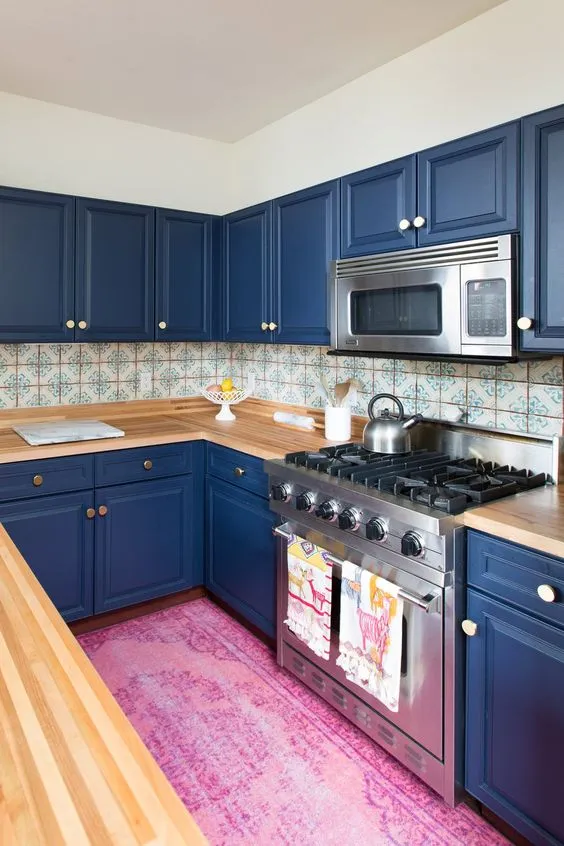
Embracing Blue Kitchen Decor
Blue kitchen decor has become increasingly popular, offering a sense of tranquility, sophistication, and versatility that’s hard to match. Whether you’re drawn to the serene calmness of a light blue or the bold statement of a navy, incorporating blue into your kitchen can transform it into a visually stunning and inviting space. This guide will walk you through the essentials of designing a blue kitchen, from choosing the perfect shade to selecting complementary colors and accessories. The goal is to help you create a kitchen that not only looks beautiful but also reflects your personal style and enhances your daily living experience. From the psychology of blue to practical tips on maintenance, we’ll explore every aspect to ensure you create a blue kitchen that you’ll adore for years to come. Get ready to dive into a world of design possibilities and discover how to make your kitchen truly remarkable.
The Psychology of Blue in Kitchens
The color blue often evokes feelings of calmness, serenity, and order, making it an excellent choice for a space like the kitchen where you prepare meals and often spend time with family. In the context of interior design, blue can create a sense of spaciousness and can make a room feel more open and airy, which is especially beneficial in smaller kitchens. The psychological impact of blue can also influence your appetite; some studies suggest that blue can suppress appetite, which might be a subtle benefit for those mindful of their eating habits. Beyond these psychological aspects, blue also offers aesthetic benefits. It is versatile and complements a wide range of other colors and materials, allowing for creative and diverse design schemes. This makes blue a flexible foundation for designing a kitchen that is not only functional but also emotionally resonant and visually appealing. Understanding these aspects is crucial when deciding how to incorporate blue into your kitchen’s design.
Choosing the Right Shade of Blue

Selecting the right shade of blue is paramount to the overall success of your kitchen design. Consider the size of your kitchen, the amount of natural light it receives, and your personal style preferences. Lighter blues tend to make a space feel larger and more open, while darker blues can create a sense of intimacy and sophistication. Explore different paint samples, and view them at various times of the day to see how the light affects the color. Also, consider the undertones of the blue; some have gray undertones, which can create a more muted and calming effect, while others have green undertones, which add a fresh and lively touch. Try pairing your chosen blue with other elements in the room, such as flooring and countertops, to ensure a cohesive and balanced look. The right shade of blue acts as a foundation, dictating the mood and style of your kitchen space.
Understanding Color Temperature
Color temperature is an important consideration when choosing a shade of blue. Warm blues have hints of green or yellow, making them feel more inviting and energetic. Cool blues, on the other hand, have more gray or purple undertones, offering a sense of calm and sophistication. The color temperature affects the overall atmosphere you create, so it’s crucial to align your choice with the mood you wish to establish in your kitchen. Assess your kitchen’s natural light; a kitchen with abundant sunlight can handle cooler blues, while a darker kitchen might benefit from warmer blues to make it feel less cold. Experimenting with different color temperatures will ensure you select a blue that harmonizes with your space and reflects your aesthetic preferences.
Popular Blue Shades for Kitchens
Several popular blue shades have consistently proven their versatility and appeal in kitchen design. These include shades like sky blue, which offers a light and airy feel; navy, a rich and dramatic option; and various shades of teal, which infuse a touch of elegance and vibrancy. Consider the trend of incorporating blue-gray hues; they present a balanced and contemporary aesthetic. Explore these popular options and test them in your kitchen, assessing how they interact with other design elements. Popularity isn’t just about following trends; it’s often a reflection of how well these colors adapt to various lighting conditions and design styles. You can use resources, like interior design blogs and magazines, to gather inspiration for your space. Finding the right popular shade can be a key element in creating a timeless kitchen design.
Light Blues for Airy Kitchens

Light blues are ideal for creating an airy and spacious feel, particularly in smaller kitchens or those with limited natural light. Shades such as baby blue, sky blue, and powder blue reflect light, making a kitchen appear larger and more open. These light shades pair well with white cabinetry, stainless steel appliances, and light-colored countertops to enhance the feeling of spaciousness. Consider using light blue on walls, cabinetry, or even as a backsplash for a subtle but effective impact. Light blues can create a fresh, clean, and calming atmosphere, making your kitchen a more inviting space to cook and dine. To boost the effect, pair light blues with light-colored flooring, such as light wood or neutral tiles, to enhance the overall airy design.
Medium Blues for a Balanced Look
Medium blues offer a balanced approach, providing a versatile backdrop that complements a wide array of design elements. These shades, such as cerulean or slate blue, offer a good compromise between the lightness of the light blues and the drama of the dark ones. Medium blues create a welcoming and balanced atmosphere that works well in various kitchen sizes and styles. These shades can be paired with both light and dark accents, allowing for flexibility in your overall design. They also integrate well with various materials, from wood to metal, ensuring that your kitchen design is both cohesive and visually appealing. By choosing medium blues, you can establish a kitchen design that is both stylish and functional.
Dark Blues for Drama and Elegance
Dark blues, such as navy or indigo, bring a sense of drama and elegance to a kitchen, creating a sophisticated and intimate space. These darker hues work best in kitchens with ample natural light, as they can otherwise make the space feel smaller. You can use dark blue on cabinetry or walls, complemented by lighter countertops, metallic accents, and strategic lighting to create a striking contrast. Dark blues can create a cozy and inviting atmosphere, and they work exceptionally well with gold or brass fixtures and accessories, which provide a luxurious touch. For those looking to make a statement, dark blues are an excellent choice, providing an enduring and stylish aesthetic. Ensure your kitchen has enough light to balance the darkness of the blue, and consider using a lighter color on the ceiling to lift the space.
Coordinating Blue with Other Colors

Coordinating blue with other colors is crucial to create a cohesive and visually appealing kitchen design. Knowing which colors complement blue will help you make informed decisions about your entire color palette. Understanding color theory can guide your choices, from selecting complementary colors to creating monochromatic or analogous schemes. When paired correctly, blue can work with a wide range of other colors, offering flexibility and creative freedom in your design choices. This skill ensures that all elements of the kitchen, from cabinetry to accessories, create a harmonious and stylish space.
Complementary Color Schemes for Blue Kitchens
Complementary color schemes, which feature colors opposite each other on the color wheel, can create high-contrast and visually dynamic spaces. For blue kitchens, this might involve pairing blue with orange or yellow accents. This combination creates a lively, energetic feel. Using a muted version of the complementary color can soften the overall aesthetic, ensuring that the design remains balanced and pleasing. For instance, consider incorporating orange-toned wood in your kitchen or adding yellow accessories. The contrast helps draw the eye around the room and adds visual interest, making the space feel more dynamic. This approach is especially effective in kitchens that require a pop of vibrancy.
Monochromatic Blue Kitchens
Monochromatic schemes, which use different shades and tones of a single color, offer a sophisticated and cohesive look. For a blue kitchen, this means using various shades of blue throughout the space, from light to dark. This creates a sense of harmony and can make a kitchen feel spacious and serene. Use lighter shades of blue for walls and cabinetry and incorporate darker blues in accents or accessories to add depth and interest. Textures and patterns play a significant role in this design scheme, helping to prevent the space from feeling flat. Consider incorporating different materials, such as textured tiles or woven fabrics, to enhance the visual appeal. Monochromatic kitchens provide a calming and elegant environment, perfect for those seeking a tranquil cooking space.
Adding Texture and Pattern

Incorporating texture and pattern into your blue kitchen design can add depth, dimension, and visual interest. This is especially critical when working with a monochromatic or limited color palette. Texture can be introduced through various materials, such as textured tiles for backsplashes, woven fabrics for window treatments, or rough-hewn wood for open shelving. Pattern can be added through wallpaper, patterned tiles, or even textiles. These elements can break up the monotony and create focal points within the kitchen. Combining different textures and patterns adds character and style to your blue kitchen. By strategically incorporating these elements, you can create a design that is both visually appealing and inviting.
Incorporating Blue Through Paint
Paint is a cost-effective and impactful way to introduce blue into your kitchen. The use of blue paint can transform your space, influencing its mood and aesthetic. Whether you decide to paint your walls, cabinetry, or both, the choice of paint color is a crucial first step. Consider the paint finish, as this can impact the overall look; matte finishes offer a softer appearance, while glossier finishes can add a touch of elegance and are easier to clean. Before painting, it’s essential to prepare the surfaces thoroughly. Proper preparation ensures the paint adheres correctly and that the final result is smooth and even. Choosing the right paint is about finding a color that complements your design style and makes you feel at home in the kitchen.
Blue Cabinetry Ideas
Blue cabinetry offers a bold and stylish design choice, instantly updating the kitchen’s look. Different shades of blue on cabinets can transform the space’s aesthetic. Consider the overall tone of your kitchen; lighter blues can brighten the room, while darker blues create a sense of depth and luxury. A key decision is the type of cabinetry; shaker-style cabinets are a timeless choice, while sleek, modern cabinets provide a contemporary feel. Coordinate the cabinetry color with your countertop, backsplash, and other elements to ensure that the design feels unified. Choosing blue cabinets opens a world of design possibilities, allowing you to express your personal style and transform your kitchen into a standout space. Blue kitchen cabinets paired with white countertops create a striking visual appeal and a sense of clean design.
Blue Backsplashes

A blue backsplash can serve as a striking focal point in your kitchen, infusing color and personality into your design. The variety of options is vast, from classic subway tiles in shades of blue to intricate mosaic patterns and bold geometric designs. Consider your kitchen’s overall aesthetic when selecting the right backsplash. If you have a more traditional kitchen, classic subway tiles in a soft blue might be the perfect choice. For a more contemporary look, consider bold geometric tiles or glass tiles. Ensure that the color and design of your backsplash complement the surrounding elements, such as your cabinetry and countertops. A well-chosen blue backsplash not only adds visual appeal but also protects the walls from splashes and spills, making it a functional and stylish addition to your kitchen design. The blue backsplash provides an opportunity to add personality and visual flair to your kitchen design.
Blue Kitchen Accessories
Blue kitchen accessories are a fantastic way to add pops of color and personality to your kitchen. This method is less permanent than painting or installing new cabinetry, and it offers flexibility to update the look whenever you wish. You can incorporate blue through a variety of accessories, from dish towels and oven mitts to decorative bowls and canisters. Blue appliances can provide a bold statement, while smaller items like blue-colored cookware, utensils, and cutting boards add subtle touches of color. When selecting accessories, think about the overall aesthetic of your kitchen. Choose items that complement your existing color scheme and enhance the design. Accessories allow for creativity, ensuring that your kitchen is functional, stylish, and a reflection of your individual taste. Mixing different shades of blue in your accessories can create a layered, visually interesting effect.
Blue Kitchen Lighting
Lighting is essential in a blue kitchen, as it affects the overall ambiance and functionality of the space. Proper lighting can enhance the beauty of the blue and make your kitchen more inviting. Incorporate different types of lighting to create a well-lit and visually appealing space. Overhead lighting, such as recessed lights or pendant lights, provides general illumination, while task lighting, like under-cabinet lights, is essential for food preparation. Decorative lighting, such as statement chandeliers or unique sconces, adds style and personality to your kitchen. Consider the color temperature of your light bulbs; warm white lights create a cozy atmosphere, while cool white lights offer a more modern look. Ensure that your lighting setup effectively complements the blue elements in your kitchen and offers the optimal lighting for all your activities, from cooking to dining. Think about the color temperature and the type of light, because these elements will impact the visual experience.
Flooring Options with Blue Kitchens

Flooring plays a crucial role in the overall design of a blue kitchen, serving as the foundation of your space and significantly impacting its aesthetics. Choose flooring that complements your blue color scheme while being durable, functional, and stylish. Several flooring options work well with blue kitchens. Light-colored hardwood or laminate flooring can brighten the space, offering a classic and timeless look. Neutral-toned tile flooring, such as gray or beige, creates a versatile base that allows the blue elements to stand out. Consider the overall style of your kitchen when selecting the flooring. Ensure the chosen material complements the blue color scheme while meeting your functional needs. A well-chosen flooring adds a layer of sophistication, tying all the design elements together.
Materials that Complement Blue
When designing a blue kitchen, selecting the right materials is key to creating a cohesive and aesthetically pleasing space. Certain materials complement blue exceptionally well, enhancing the overall look and feel of the kitchen. Wood, with its warmth and natural textures, creates a beautiful contrast with blue, adding visual interest and balance. Natural stone countertops, such as marble or granite, complement blue, adding a luxurious and sophisticated touch. Metals, such as stainless steel, brass, or gold, can be incorporated through appliances, hardware, or accents to add a touch of elegance and shine. These elements work together to create a space that is both stylish and functional. Choosing the right materials transforms your blue kitchen into a stylish and functional space.
Countertop Choices
The choice of countertops significantly impacts your blue kitchen’s overall look and feel, tying together the design elements while offering functionality. The ideal countertop material should complement the blue while providing a durable, functional surface. White countertops, such as marble or quartz, create a clean and bright contrast, allowing the blue to stand out. Consider natural stone countertops, such as granite, with its unique veining and patterns, adding depth and visual interest. The best choice depends on the specific shade of blue, the overall style of the kitchen, and your lifestyle needs. Ensure the countertop choice not only looks good but also meets your durability and maintenance requirements. A well-chosen countertop adds to the beauty and practicality of your blue kitchen.
How to Maintain a Blue Kitchen

Maintaining a blue kitchen involves regular cleaning and care to keep it looking its best. The process preserves the vibrancy and appearance of the blue elements. Regular cleaning is essential. Clean spills and stains immediately to prevent them from setting and potentially damaging the surfaces. The cleaning products depend on the materials used in your kitchen. Using appropriate products for your countertops, cabinetry, and appliances will prevent damage and maintain the integrity of your blue kitchen. Following the cleaning instructions for the specific materials ensures longevity and beauty. Maintaining a blue kitchen requires consistent effort, but the results are worth the investment. Proper care ensures that your kitchen remains a beautiful and inviting space for years to come.
Cleaning and Care Tips
Specific cleaning and care tips will help you preserve the beauty of your blue kitchen and maintain its pristine appearance. Regular cleaning is vital to prevent the accumulation of dirt, grease, and grime. Always use non-abrasive cleaners to avoid scratching surfaces. For painted surfaces, wipe them down with a soft cloth and mild detergent. Clean countertops immediately after spills, and use appropriate cleaners for your countertop material. Cleaning blue cabinetry with the correct products helps protect the color and finish. Proper care ensures your kitchen remains a stylish and functional space. By following these tips, you can prolong the life and beauty of your blue kitchen. Investing a little time in cleaning ensures that your blue kitchen will continue to be a stunning and inviting space.
Conclusion Blue Kitchen Decor
Designing a blue kitchen offers a world of possibilities to create a space that is both beautiful and reflective of your personal style. From the initial choice of the right shade of blue to the selection of complementary colors, materials, and accessories, every decision contributes to the overall aesthetic. Understanding the psychology of blue and how it influences the ambiance is crucial, and so is knowing how to maintain your kitchen to preserve its beauty. By thoughtfully applying the principles of design, you can transform your kitchen into a stunning and inviting space. Embrace the versatility of blue, experiment with different combinations, and ultimately create a kitchen that not only meets your functional needs but also enhances your daily living experience. The possibilities are endless, and the result will be a kitchen that you are proud to call your own, a true reflection of your unique style, creating a welcoming and stylish space that you will love for years to come. Let the serene and stylish appeal of blue transform your kitchen into a place you love to spend time.