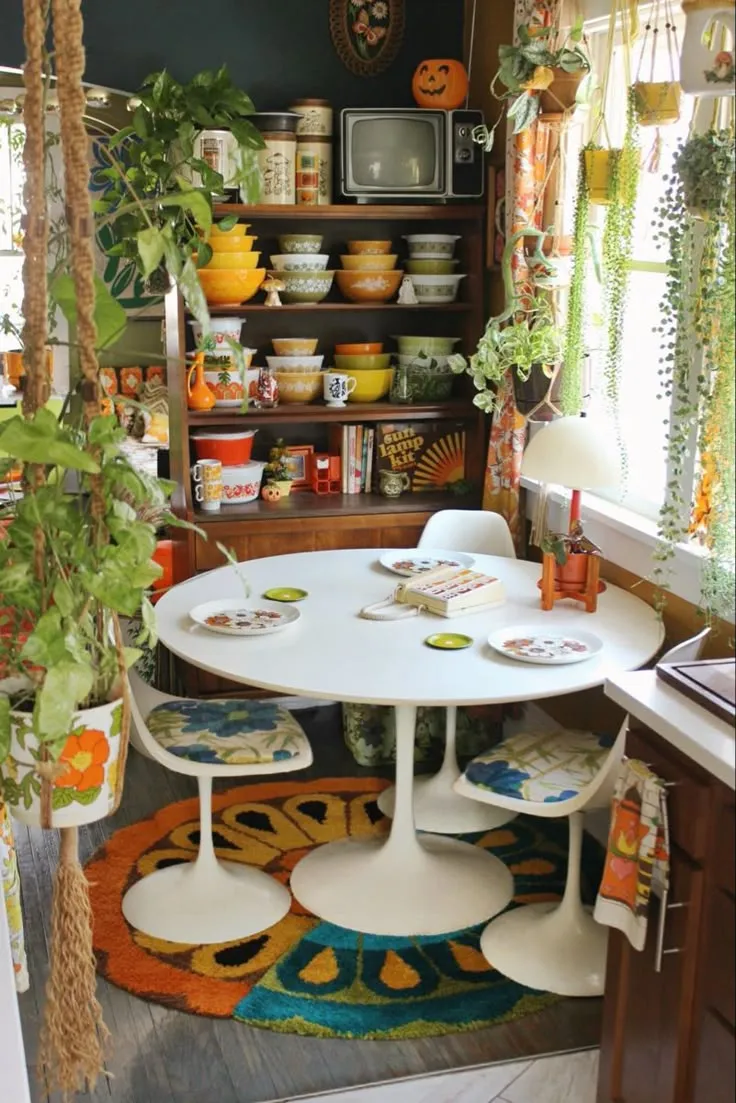
Step back in time and rediscover the vibrant charm of the 70s with these inspiring kitchen decor ideas. The 1970s were a decade of bold expression, innovative design, and a celebration of individuality. Kitchens weren’t just utilitarian spaces; they were hubs of family life, reflecting the decade’s distinctive aesthetic. From the iconic color palettes to the unique appliances and accessories, the 70s kitchen decor movement offers a rich tapestry of design elements to revitalize your home. Get ready to transform your kitchen into a groovy, retro-inspired haven with these top 7 trends that capture the spirit of the era.
The Rise of 70s Kitchen Decor
The 1970s saw a shift in kitchen design, moving away from the stark minimalism of the previous decades and embracing a more playful and personalized approach. This era was characterized by a rejection of conformity and a celebration of self-expression. Kitchens became more than just functional spaces; they were reflections of the homeowner’s personality and lifestyle. This shift led to a wave of innovative designs, bold color choices, and the incorporation of unique materials, all aimed at creating warm, inviting, and visually stimulating environments. The kitchens of the 70s were meant to be enjoyed, lived in, and celebrated, solidifying their place in design history.
Signature Colors and Patterns of the 70s
Color played a pivotal role in defining the 70s kitchen aesthetic. The decade embraced a vibrant and diverse palette, moving away from the muted tones of previous eras. Colors were used to create a sense of warmth, energy, and personality, reflecting the era’s optimistic outlook. The strategic use of color was key in bringing a unique character to kitchens across the country, making them the heart of the home. The interplay of these hues created a dynamic and inviting atmosphere, perfectly encapsulating the spirit of the 1970s.
Bold Colors and Earth Tones

The 70s loved bold choices, with colors like avocado green, harvest gold, and burnt orange dominating kitchen spaces. These hues weren’t shy; they were used expansively on walls, appliances, and cabinetry. Earth tones, such as browns, tans, and creams, provided a grounding contrast, creating a balanced and inviting atmosphere. The juxtaposition of these bold and earthy colors defined the era, creating a sense of warmth and nostalgia that continues to resonate today. This specific palette reflects a connection to nature and a desire for comfort within the home, all while making a design statement.
Geometric Patterns and Wallpaper
Geometric patterns and vibrant wallpaper were staples in 70s kitchen design, adding visual interest and a touch of playfulness. Think bold geometric shapes, large floral prints, and psychedelic designs, used to enliven walls and backsplashes. These patterns added a layer of sophistication and reflected the era’s interest in art and innovation. Wallpaper, often in vinyl for durability, was a popular choice for easy cleaning and maintenance, making kitchens both stylish and practical. These patterns were a way to express creativity and transform ordinary spaces into extraordinary environments.
Key Features of a 70s Kitchen
Beyond colors and patterns, the 70s kitchen had distinct features that set it apart. These elements, from appliances to cabinetry, worked together to create a cohesive and recognizable aesthetic. The kitchen was designed to be functional, stylish, and a place of gathering, incorporating elements that enhanced both its utility and its visual appeal. These key features highlight the design principles that made the 70s kitchen so iconic and influential, reflecting the decade’s unique blend of practicality and personality.
Retro Appliances and Cookware

Retro appliances in avocado green, harvest gold, and coppertone were a defining element of 70s kitchens. Refrigerators, ovens, and dishwashers were not just functional; they were statement pieces. Complementing these appliances was a range of cookware in vibrant colors and durable materials. From iconic Pyrex dishes to enamelware pots and pans, cookware was designed to be both practical and visually appealing. These appliances and cookware brought a cohesive look to the kitchen, showcasing the era’s love for design and functionality.
Wooden Cabinets and Paneling
Wood was a prominent material in 70s kitchens, particularly in the form of cabinets and paneling. Dark-stained wood cabinets, often with intricate details, offered a warm and inviting feel. Wood paneling on walls added texture and visual interest, creating a cozy atmosphere. These wooden elements were often paired with other natural materials, such as stone countertops, to enhance the connection to nature. Wood’s presence in the kitchen created a sense of comfort and durability, making it a central part of the home.
70s Kitchen Decorating: Lighting Fixtures
Lighting played a critical role in defining the 70s kitchen aesthetic, going beyond mere functionality to become a key design element. The right lighting could transform a space, creating mood and enhancing the overall look. From statement pieces to practical systems, lighting choices reflected the era’s design principles and added to the distinct character of the kitchen. The diverse range of lighting options allowed for creative expression and personalized design, further cementing the 70s kitchen’s status as a design icon.
Statement Pendant Lights

Pendant lights were a popular choice, adding a touch of elegance and visual interest above kitchen islands and dining areas. These lights came in various shapes and materials, from glass globes to geometric designs. The statement pendant lights often served as focal points, drawing attention and complementing the kitchen’s overall design. Their presence created a sense of drama and personalization, reflecting the era’s emphasis on individuality and style. These lights helped to define spaces and added a layer of sophistication.
Track Lighting Systems
Track lighting was a practical and stylish option for 70s kitchens, offering flexibility and functionality. These systems allowed homeowners to direct light where it was needed, highlighting specific areas. Track lighting often featured adjustable spotlights that could be moved to create different moods and illuminate work surfaces effectively. The sleek and modern look of track lighting complemented the era’s design sensibilities, blending seamlessly with other design elements. This approach to lighting provided functionality while adhering to the era’s focus on design and practicality.
How to Incorporate 70s Accessories
Accessorizing is key to fully capturing the essence of 70s kitchen decor. The right accessories can transform a modern kitchen into a retro haven, adding personality and visual interest. Accessories were an integral part of the era’s design philosophy, reflecting the spirit of the time and adding a personal touch to every space. These items weren’t just functional; they were carefully chosen to enhance the kitchen’s aesthetic appeal, creating a cohesive and engaging environment. The strategic use of accessories allowed for creative expression and personalized design, embodying the era’s unique charm.
Vintage Cookbooks and Decor

Displaying vintage cookbooks and decor items is a great way to infuse your kitchen with 70s charm. Cookbooks with colorful covers, often featuring recipes from the era, add a touch of nostalgia. Decor items like ceramic canisters, retro clocks, and kitsch figurines further enhance the retro aesthetic. These items are not only visually appealing but also spark conversation and provide a glimpse into the past, adding to the kitchen’s personality and charm. They offer a glimpse into culinary traditions and reflect the decade’s unique tastes and lifestyle.
Textured Fabrics and Linens
Textured fabrics and linens can add warmth and depth to your kitchen. Think about using patterned curtains, macrame pot holders, and printed tea towels with bold graphics. These textiles introduce color and pattern, softening the space and adding layers of interest. The textures and patterns also bring a tactile element to the kitchen, making it feel more inviting and lived-in. By incorporating these fabrics, you can easily introduce the 70s aesthetic, creating a comfortable and visually dynamic environment.
Reviving Your Kitchen with 70s Decor
Incorporating 70s kitchen decor is a journey into a design era known for its boldness, creativity, and unique style. Whether you’re drawn to the bold colors, retro appliances, or the cozy wooden accents, there’s a 70s-inspired element that can transform your kitchen. By embracing the trends discussed, you can create a space that not only reflects the past but also feels fresh and modern. It’s about infusing your space with personality and celebrating a time when self-expression and individuality reigned supreme. Embrace the groovy vibes and enjoy creating a kitchen that’s a true reflection of your style.
From vibrant colors to the quirky appliances, and the distinctive lighting, the 70s style has a unique charm that can be beautifully integrated into any modern kitchen. The key is to choose elements that resonate with you and to integrate them in a way that feels authentic. The resurgence of this style shows that retro design can be just as relevant and appealing today as it was back then, making it an exciting opportunity to infuse your kitchen with personality and charm. By understanding and adopting these trends, your kitchen can become a vibrant and welcoming space.